UNESCO World Heritage Sites in Albania
Albania boasts an exceptionally rich historical, cultural and natural heritage. Archaeological sites, religious buildings, towns and villages with distinctive architecture, lakes and nature reserves... Discover the UNESCO-listed sites you must see on a trip to Albania.
Albania boasts an exceptionally rich historical, cultural and natural heritage. Archaeological sites, religious buildings, towns and villages with distinctive architecture, lakes and nature reserves... We invite you to discover the UNESCO-listed sites you absolutely must see when visiting Albania.
The City of Berat
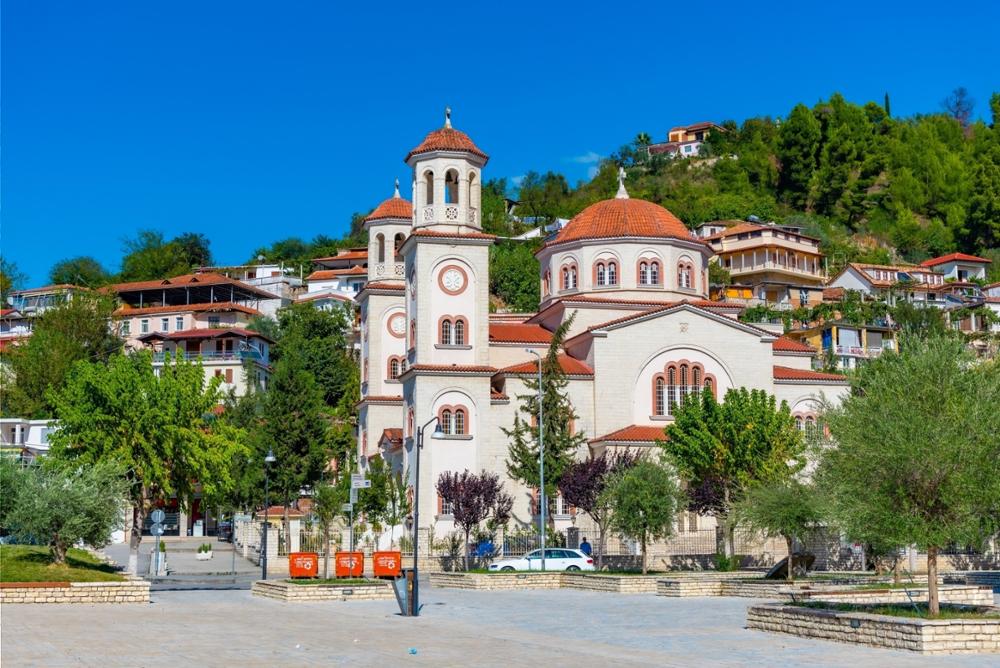
Located in central Albania, in a rolling region crossed by the Osam River, the city of Berat is one of the oldest cities in Albania. It is nicknamed the "City of a Thousand Windows" because of the houses in the historic center, whose facades feature numerous windows.
With its rich heritage carefully preserved, Berat was inscribed as a UNESCO World Heritage Site in 1995. Among the architectural and historical remains to discover are the Kala, a fortress built on a hilltop, most of which was constructed in the 13th century.
The city of Berat is also renowned for bearing witness to exemplary tolerance among different religious and cultural communities over the centuries. Indeed, the citadel district contains numerous Byzantine churches as well as Ottoman mosques. These Catholic, Orthodox and Muslim places of worship are waiting to be discovered as you stroll through the city's paved streets...
The City of Gjirokastra
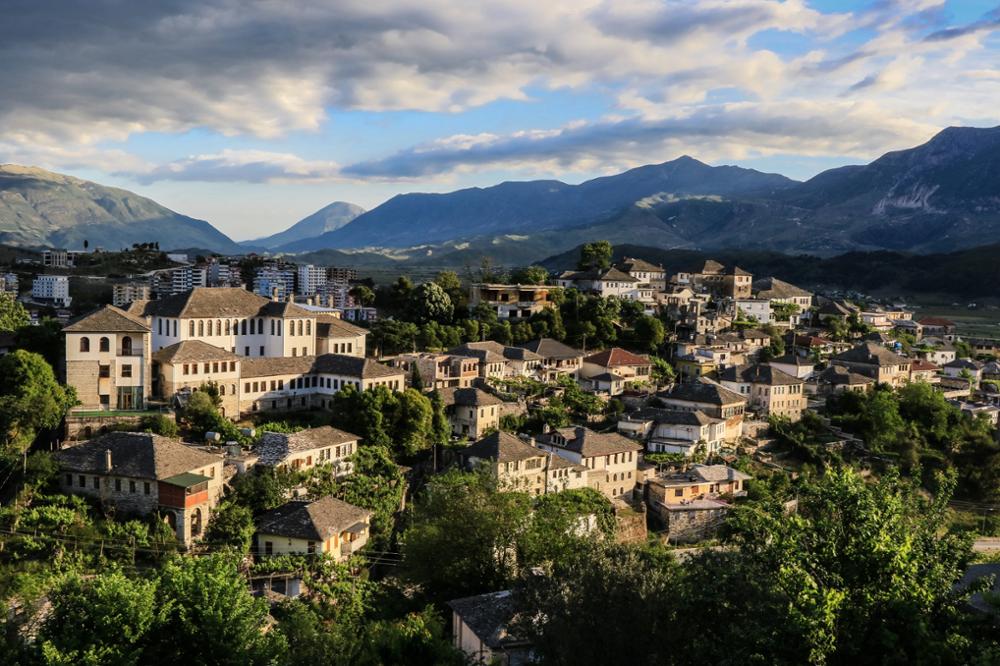
It is in the valley of the Drinos River in southern Albania that Gjirokastra (also called Gjirokastër) is located. This city, inscribed as a UNESCO World Heritage Site in 2005, is renowned for its magnificent neoclassical buildings and structures topped with slate roofs. You can admire the famous "kullas," typical Balkan houses, which cascade down the slopes in the city's old quarters.
Do not miss the impressive Gjirokastra Fortress overlooking the valley, as well as the Skenduli House, a perfect example of Ottoman architectural style that preserves within its walls woodwork and frescoes rich in memory.
Finally, a stay in Gjirokastra is an opportunity to discover polyphonic singing, a traditional Albanian music form, which is itself inscribed in the UNESCO Intangible Cultural Heritage of Humanity.
The Ancient City of Butrint
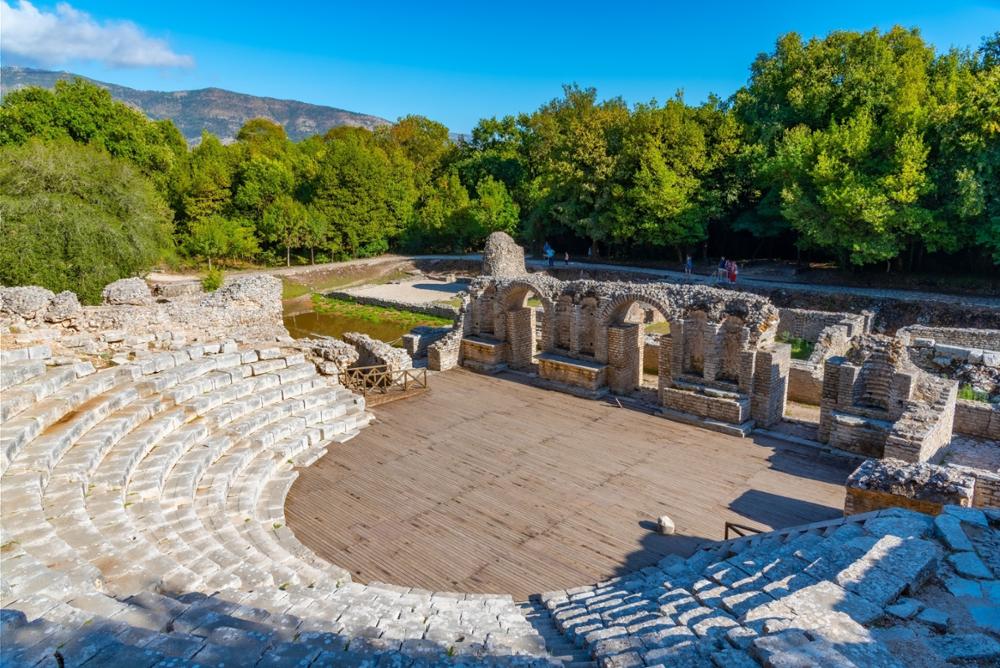
An ancient city steeped in romance and beauty, Butrint is among the must-see sites to discover on a trip to Albania.
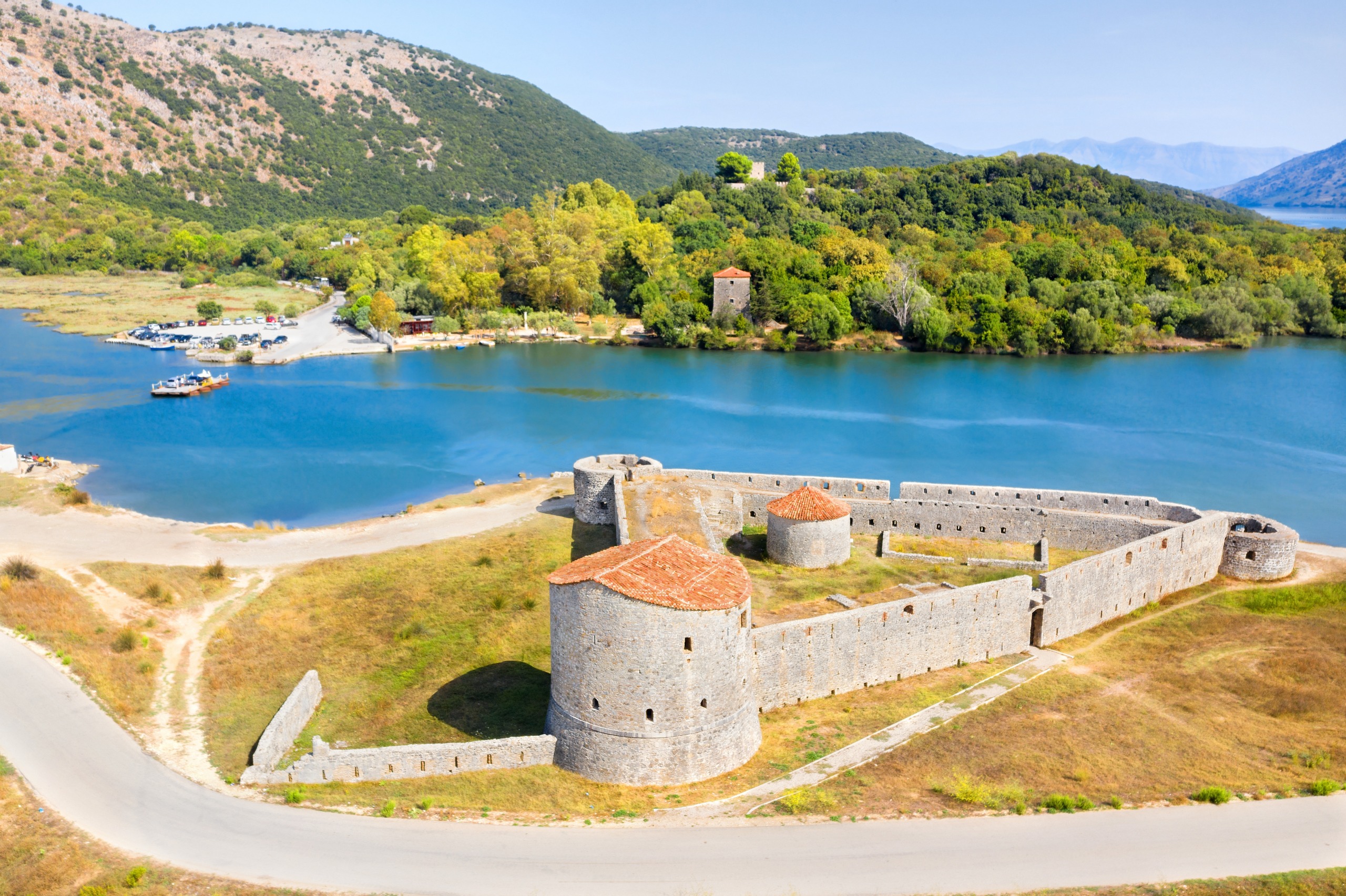
Inhabited since prehistoric times, Butrint was successively occupied by different civilizations. Founded by the Chaonians, a Greek tribe from Epirus in the mid-7th century, it was subsequently occupied by the Romans, who ceded the city to the Byzantine Empire, followed by the Venetian Republic, before being abandoned in the Middle Ages due to the surrounding marshes.
Listed as a UNESCO World Heritage Site in 1992, the archaeological site of Butrint allows you to discover the remains of each era, including ramparts, a Greek theater, a Venetian tower, a Byzantine basilica, Roman ruins...
Note: the ruins of Butrint are now part of Butrint National Park. Composed of plains, mountains, reed beds and Lake Butrint, the park is home to numerous wild animals (foxes, otters, jackals, dolphins, sea turtles and a multitude of birds and fish).
The Gashi Nature Reserve
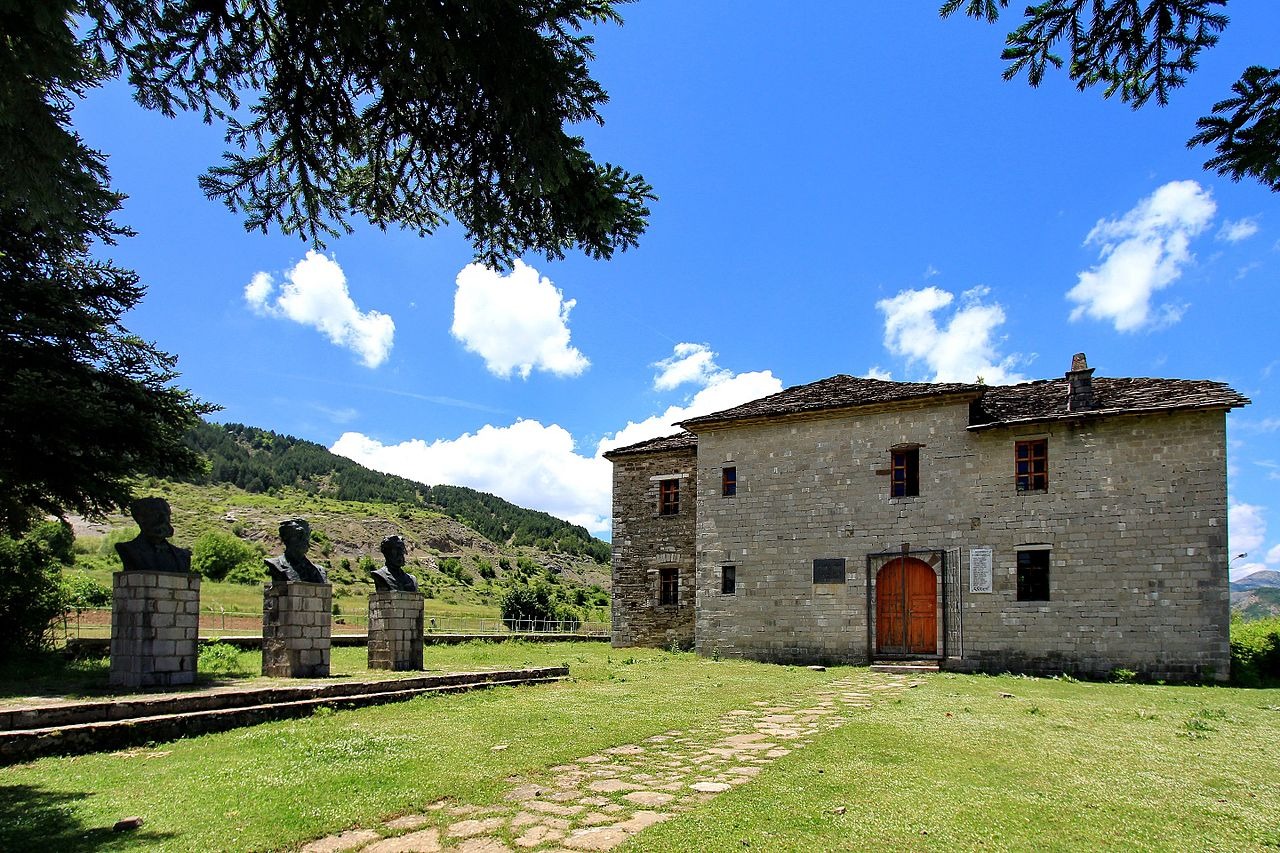
Established in 1996, the Gashi Nature Reserve is a protected area that stretches on both sides of the Gashi River in the north of the country. It is one of Albania's natural jewels and one of the best-preserved natural spaces in the nation.
Nearly half of the nature reserve (1,261.52 hectares) is listed as a UNESCO World Heritage Site. The reason for this inscription? It is home to ancient and old-growth forests of Carpathian beech and other regions of Europe. For information, this European green belt is distributed across 18 countries.
Beyond the characteristic flora (beech, Macedonian pine, Bosnian pine, spruce, silver fir...), the reserve harbors rich wildlife. Among the animals that inhabit the park are wild boar, roe deer, bears, wolves and a multitude of birds (including the golden eagle, Albania's emblematic symbol).
Lake Ohrid
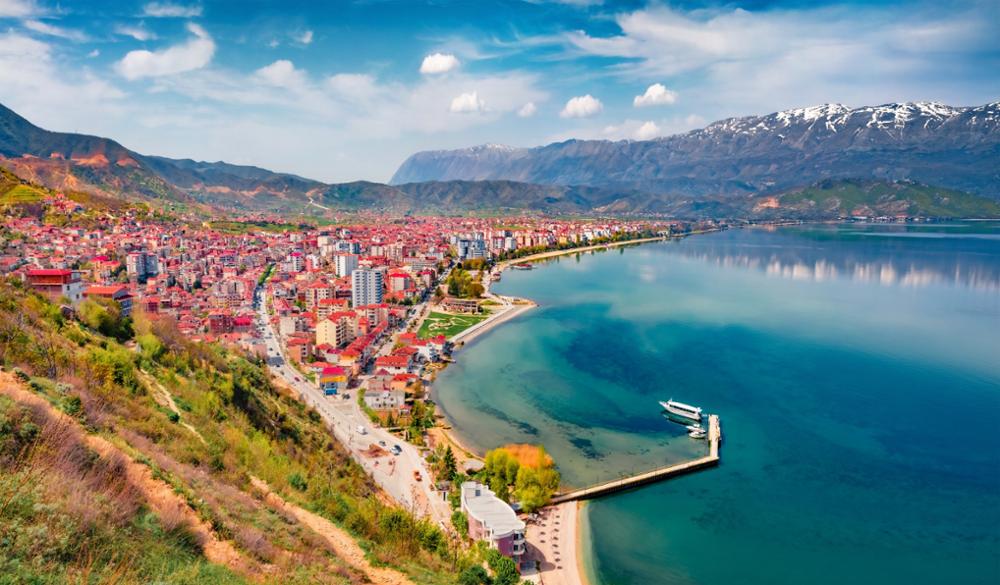
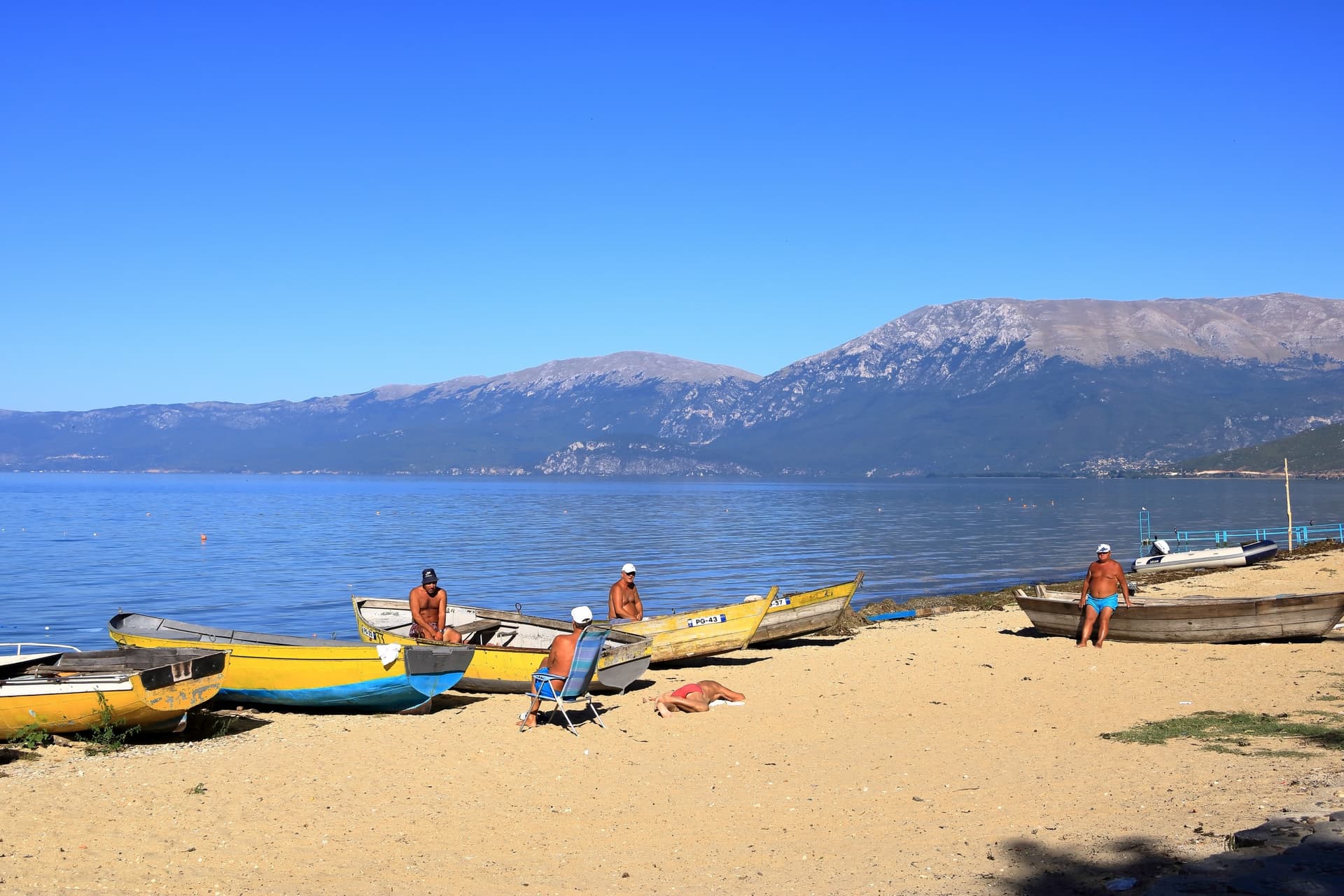
Lake Ohrid is a vast lake covering 359 km² shared between Albania and North Macedonia. It is the deepest lake in the Balkans (288 m) and one of the oldest lakes in the world (at least three million years old). The Ohrid region was inscribed as a UNESCO World Heritage Site in North Macedonia in 1979. The Albanian side of the coast, meanwhile, was inscribed in 2019.
Lake Ohrid is renowned for being among the most beautiful landscapes to see in Albania. It is home to over 200 endemic species of freshwater fauna and flora, some of which date back to the Tertiary period. This natural wealth has earned it the nickname "Museum of Living Fossils."
On the side of the city of Ohrid, built on the shores of the lake and constructed between the 7th and 19th centuries, you can discover a significant number of historical buildings, including the oldest Slavic monastery as well as 800 icons in Byzantine style created between the 11th and the end of the 14th century.