Tirana and Central Region
Capital city dense with 1930s Italian boulevard, the forbidden Blloku district and Hoxha's bunkers, extended by Dajti, Kruja and the Adriatic coast.
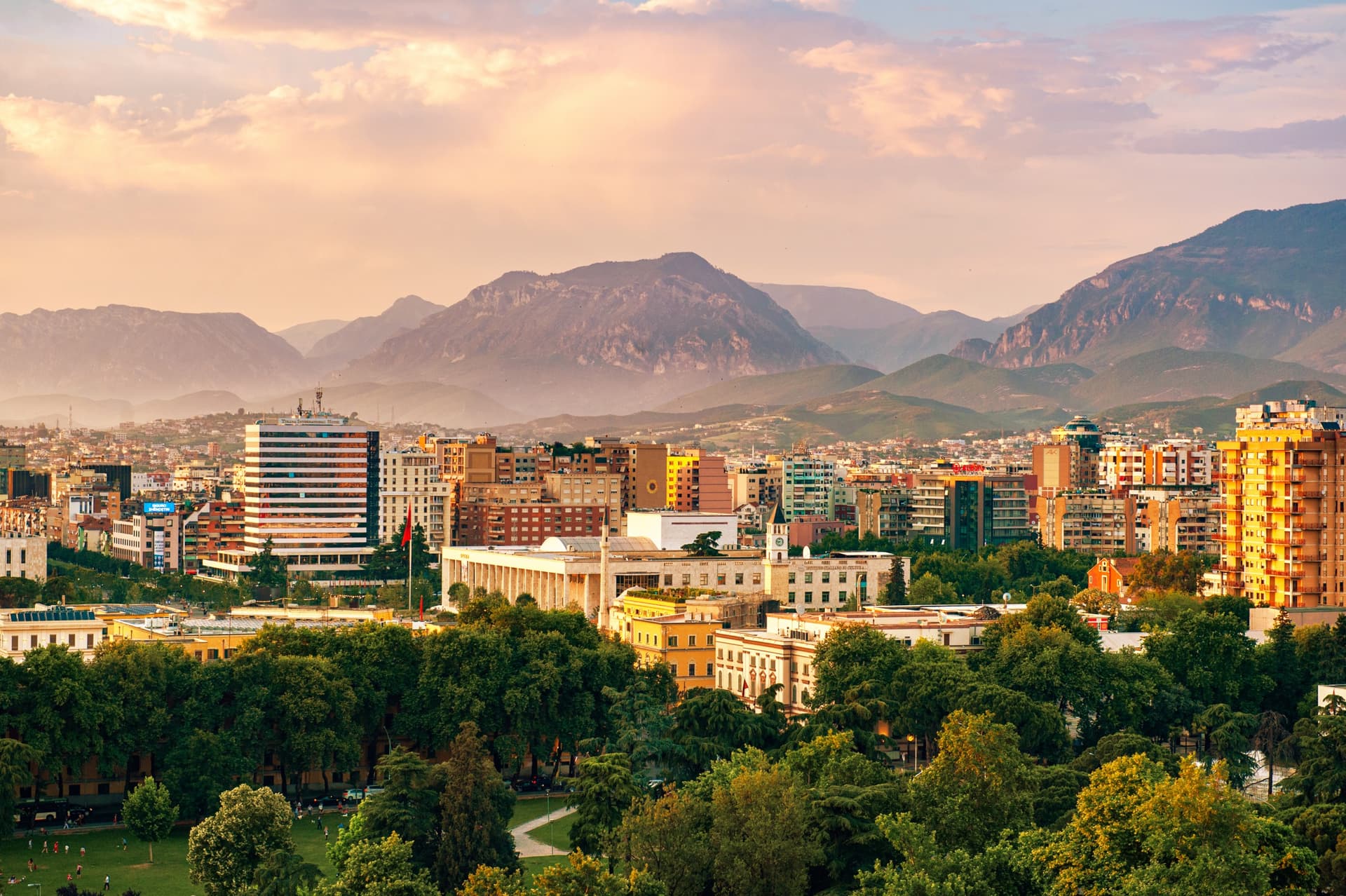
Tirana concentrates one third of Albanie's population and functions as the country's logistical hub. The city is organized around Skanderbeg Square, a vast 40,000 m² pedestrian esplanade redesigned in 2017, bordered by the Et'hem Bey Mosque (early 19th century), the Ottoman clock tower and the National History Museum recognizable by its façade mosaic. From this square runs the Boulevard Dëshmorët e Kombit, a north-south axis laid out by Italian architects in the 1930s under Mussolini, descending towards the university and the large artificial lake park.
To the west of this boulevard stretches the Blloku, a perimeter of some ten city blocks that was off-limits to the public until 1991, reserved for Party of Labor cadres. Enver Hoxha's villa remains visible there, vacant, at the corner of Ismail Qemali Street. The district now hosts the majority of the capital's cafés, bars and restaurants, with dense nightlife during the week. Further north, the Pazari i Ri district houses the covered market rehabilitated in 2017, where we often take travelers to understand local cuisine: spinach byrek, tave kosi (lamb in yogurt baked in the oven), Tepelena olives, goat cheeses from the Has region.
The communist regime's legacy remains openly visible. Bunk'Art 1, at the end of the Dajti cable car line, occupies a 106-room nuclear bunker dug for Hoxha and his general staff. Bunk'Art 2, downtown behind the Interior Ministry, documents the Sigurimi, the political police. The House of Leaves, former headquarters of telephone surveillance, completes this memory trail. Plan a full day to visit these three sites without feeling overwhelmed.
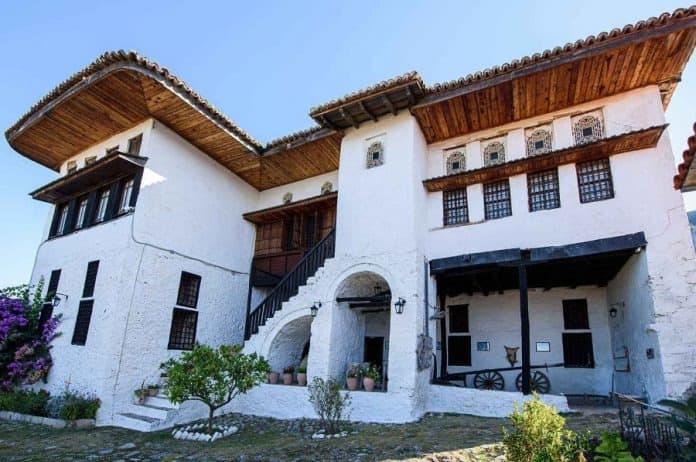
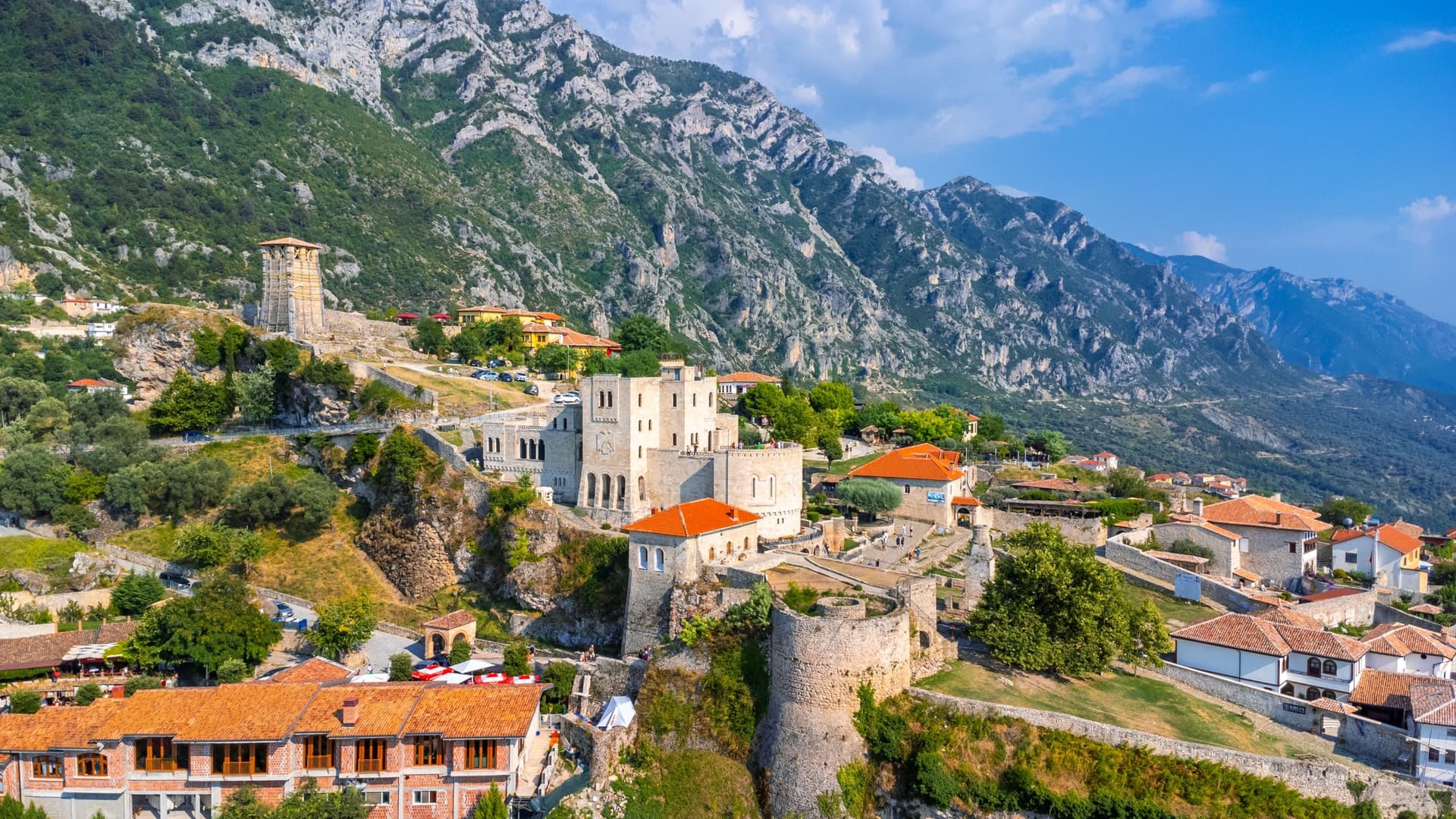
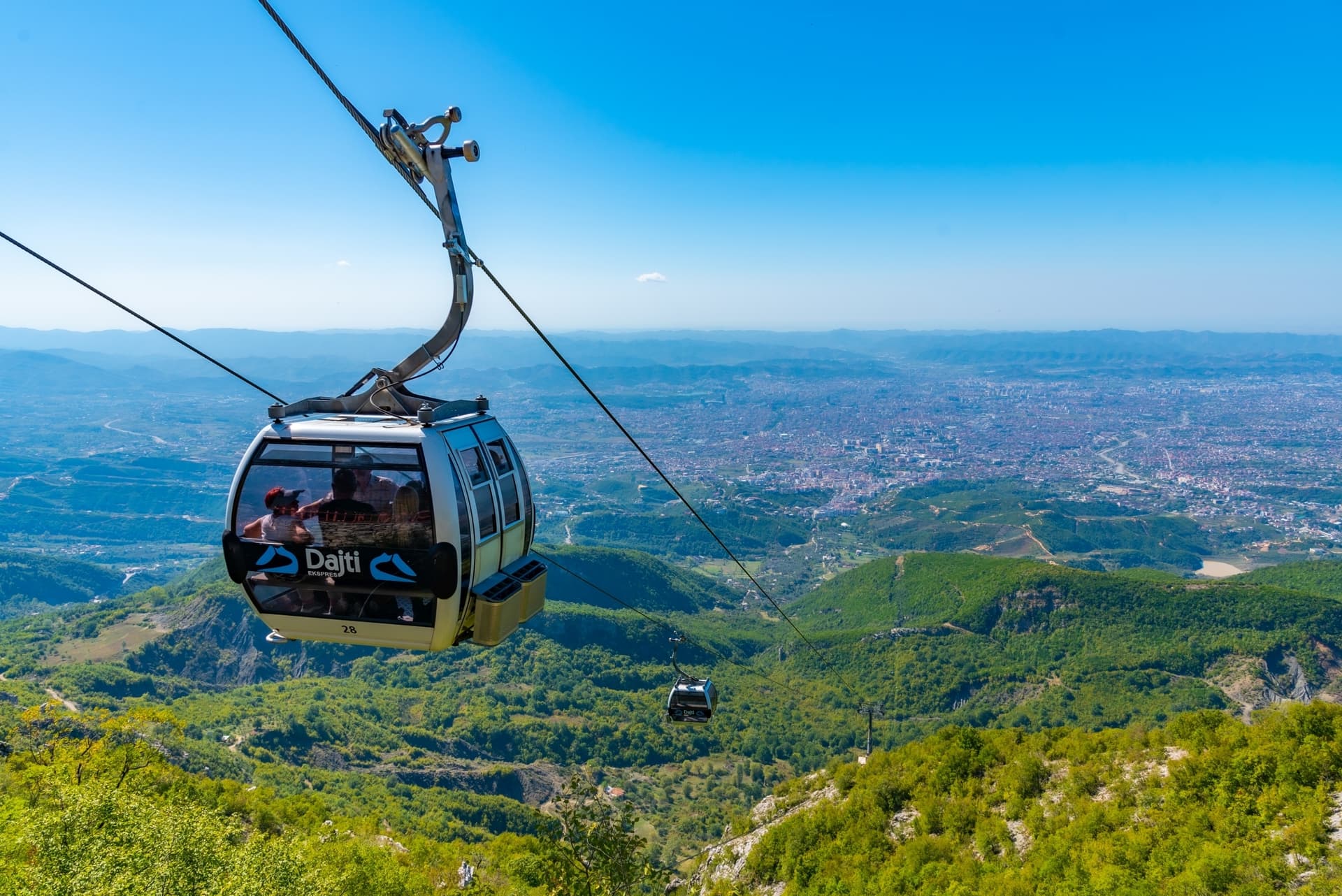
Located 25 minutes from the center by road then 15 minutes by Dajti Ekspres cable car, Mount Dajti peaks at 1,613 meters and offers views over the entire Tirana plain to the Adriatic on clear days. The summit plateau is suited to light hiking and high-altitude dining. North of the capital, 35 km away, Kruja clings to a rocky spur: its rehabilitated Ottoman bazaar lines the climb towards Skanderbeg Fortress, national hero of resistance against the Ottomans in the 15th century. The museum installed in the fortress, designed by Enver Hoxha's daughter, blends brutalist architecture with epic staging.
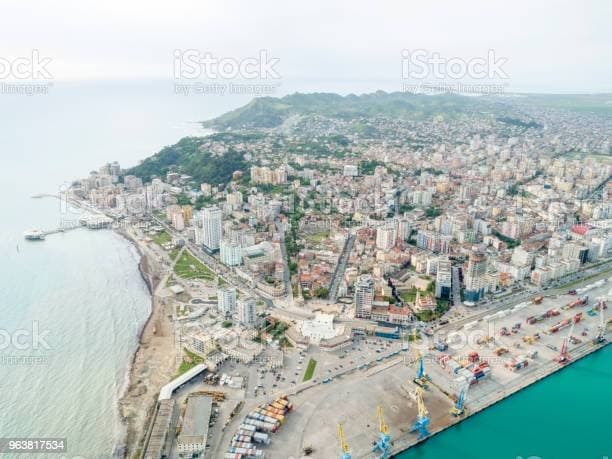
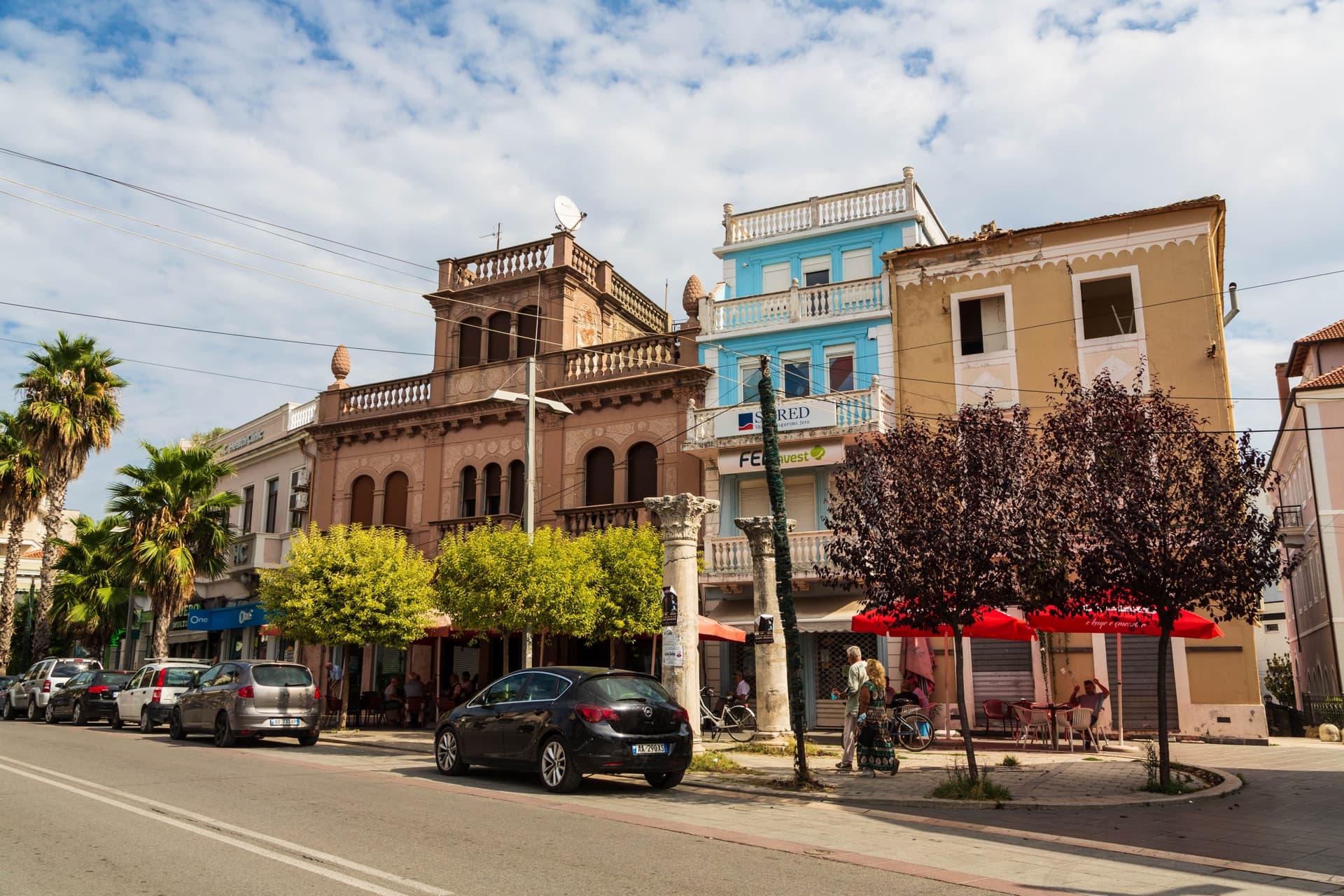
Further southeast, Elbasan (140,000 inhabitants) marks the entrance to the hinterland. The old fortified city from the Ottoman era, still inhabited, contrasts with the former Soviet steel mills that encircle the periphery, witnesses to forced industrialization of the 1970s. To the west, Durrës provides access to the Adriatic coast in 40 minutes by motorway: a 2nd-century Roman amphitheater embedded in the urban fabric, an active commercial port, family beaches at Currila. It is also the terminal for ferries to Bari and Ancona.
Tirana's climate is temperate continental with Mediterranean influence: 32°C on average in July-August with peaks at 38°C, 8°C in January with possible snow days. Rainfall concentrates from October to April, with a peak in November. Our agency is based in Tirana, in the Rinia Park district, making it the logical starting point for virtually all of our circuits.
To Discover
Skanderbeg Square and Italian axis. Walk from the Et'hem Bey Mosque to the Tanners' Bridge, following the boulevard laid out during Italian occupation. Fascist architecture, pastel ministries and clock tower over 2 km.
Dajti cable car at 1,613 m. Fifteen minutes in a cabin above wooded hills, then a one-hour hike to the viewpoint over the plain. Temperature 8 to 10°C cooler than in the city in summer.
Bunk'Art 1 and communist memory. Descent into Enver Hoxha's nuclear bunker, 106 rooms across five levels. Original offices, Politburo meeting room, exhibitions on Albanian isolation from 1944 to 1991.
Ottoman bazaar of Kruja. 200-meter paved street lined with restored wooden shops: kilims, hammered copper, qilim carpets from the region. The fortress at the end houses the Skanderbeg museum.
Pazari i Ri Market. Renovated covered hall and outdoor stalls: Has cheeses, chestnut honey from the Elbasan region, homemade raki. The surrounding district concentrates the best traditional cuisines.
When to Visit
Tirana can be visited almost year-round, but the intermediate seasons are notably more comfortable. From April to June, temperatures range between 18 and 26°C, parks are in bloom and Blloku terraces are usable without excessive heat. September and October offer similar conditions, with softer light on Dajti and still-warm evenings. It is on these two windows that we concentrate the majority of our departures combining the capital and the rest of the country.
From mid-July to mid-August, the city regularly reaches 35 to 38°C, with urban heat accentuated by concrete and little wind. Many residents then desert Tirana for the coast. November concentrates the peak of rainfall (about 200 mm over the month) and days shorten. From December to February, expect 5 to 10°C during the day, sometimes less, with episodes of persistent rain and occasional snowfall on Dajti. A visit remains possible in winter for those who favor museums and urban atmosphere.
Practical Advice
We recommend 2 to 3 full days in Tirana and the central region to articulate the capital, a half-day at Dajti and an excursion to Kruja or Durrës. A single day is enough to see Skanderbeg, the Blloku and one Bunk'Art, but remains frustrating given the density of the expanded historic center. Nënë Tereza International Airport is located 17 km from the center, roughly 25 to 40 minutes depending on traffic, and is the natural entry point for 90% of our travelers.
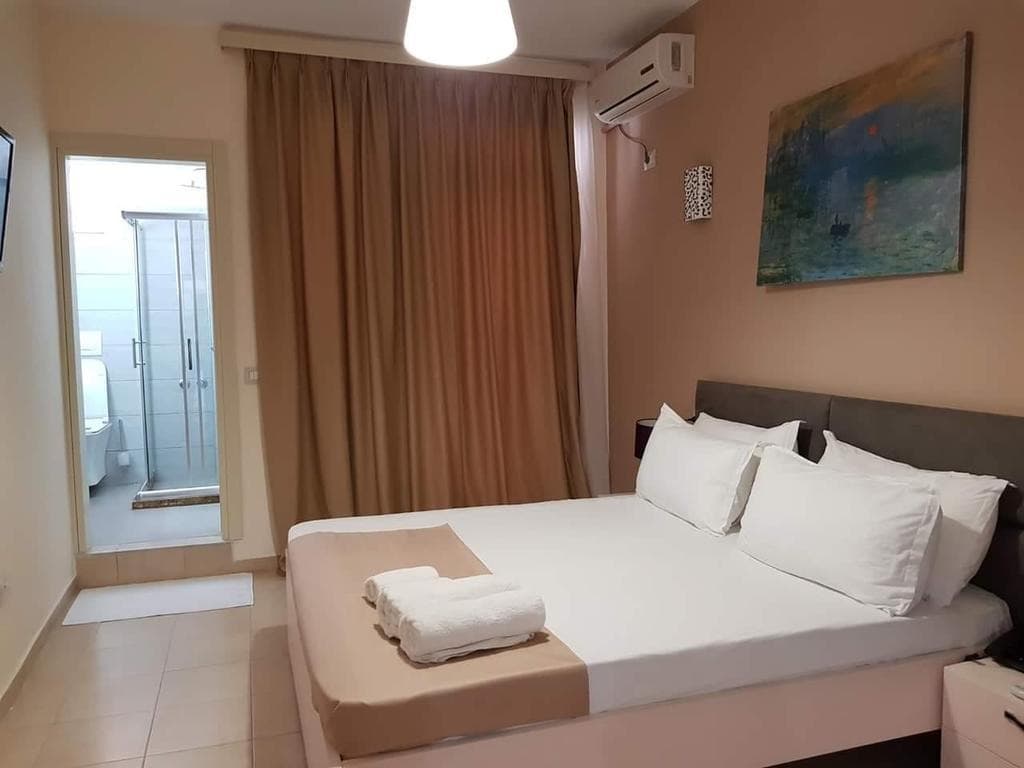
Tirana logically combines with all other regions of the country: three hours of driving to Shkodër to reach the Albanian Alps and Lake Komani ferry, three to four hours to Berat and Gjirokastër in the south, four hours to the Eastern lakes (Ohrid, Prespa), five to six hours to the Ionian Riviera via the Llogara Pass. The capital suits travelers curious about recent history and contrasting urbanism, couples who enjoy café and restaurant life, and families who appreciate a gentle warm-up before more rural regions. Hotel comfort is the highest in the country, with a dense choice of 3 to 5-star establishments in the center.