Divjaka National Park
Divjaka National Park
Albania's largest nature reserve, Divjaka-Karavasta National Park protects the Ramsar-designated Karavasta lagoon, its Dalmatian pelicans and over 200 bird species.
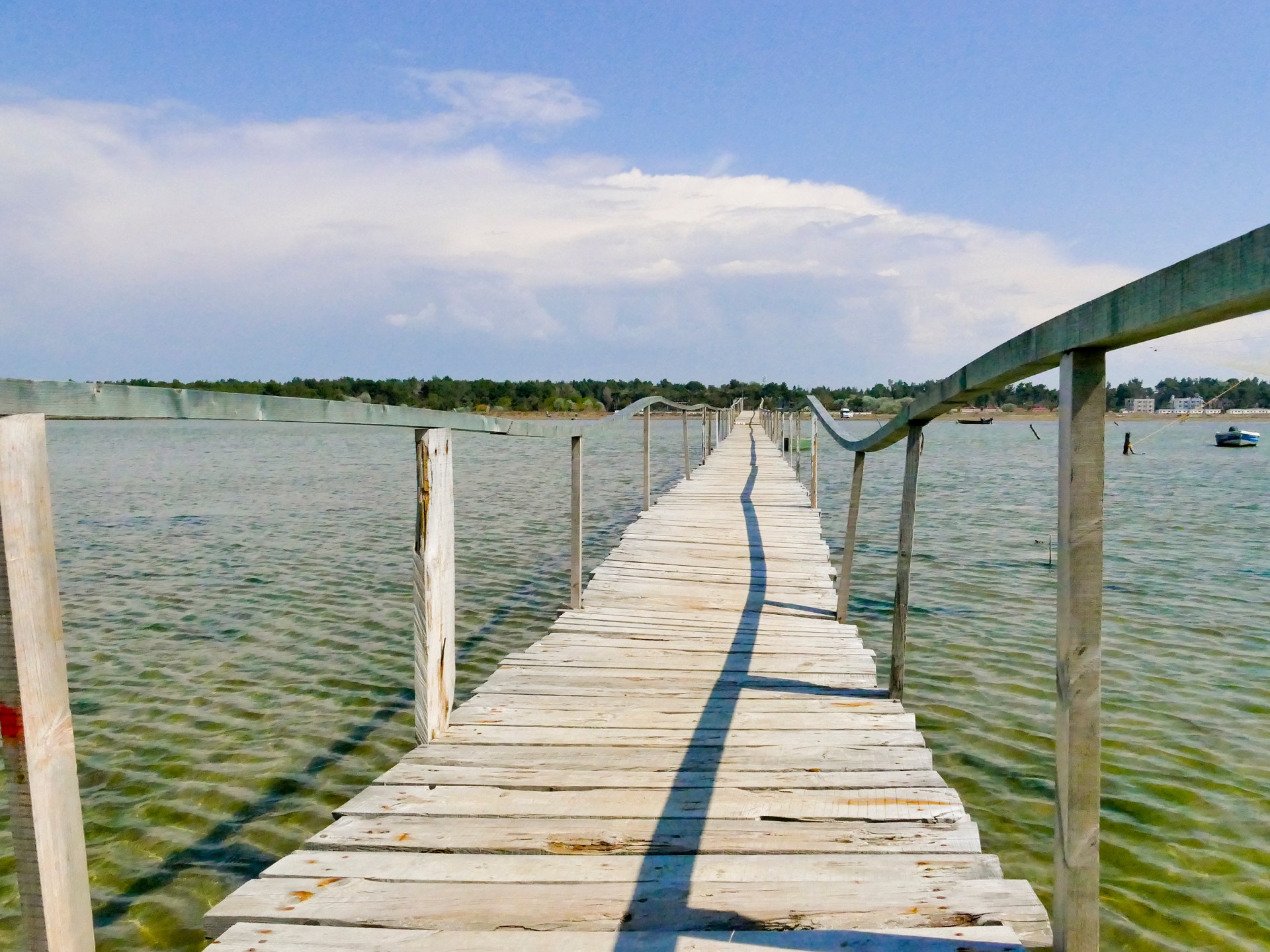
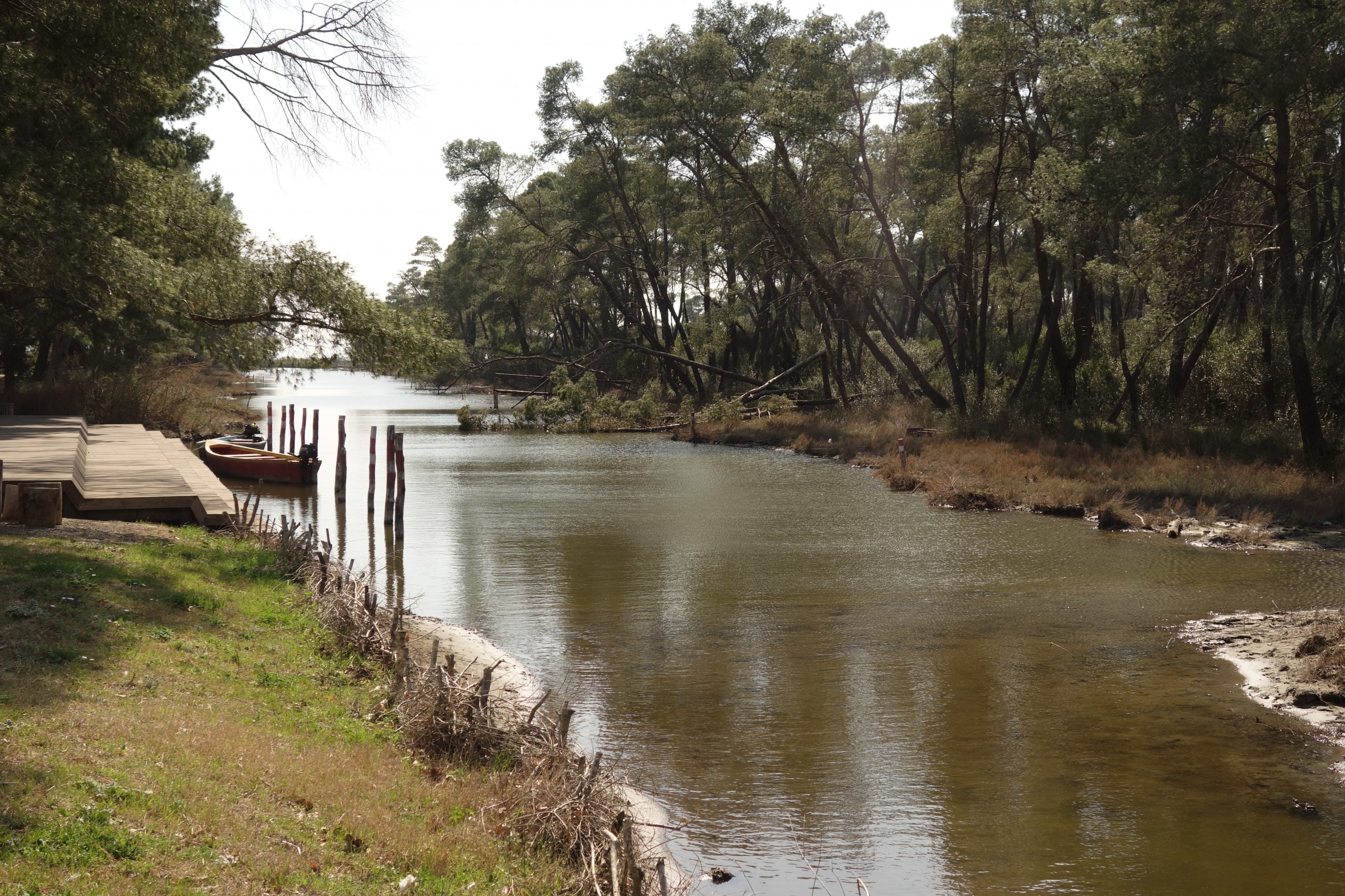
The Divjaka-Karavasta National Park protects Albania's most extensive nature reserve, on the Adriatic coast. Lagoons, pine forests, dunes and wetland meadows compose a territory of 222 km² renowned for its waterfowl, including the Dalmatian pelican.
Why visit the park
The park concentrates several rare habitats at both the Albanian and Mediterranean scale. Its Karavasta lagoon, designated a Ramsar site since 1994, ranks among the Balkans' most important wetlands for migratory birds. The diversity of landscapes, from coastal pine groves to brackish marshes, allows you to observe contrasting ecosystems within just a few hours. It is also one of Europe's rare sites where stable colonies of Dalmatian pelicans, a vulnerable species, breed.
Access remains straightforward from Tirana or Durrës, and the trails, with no technical difficulty, suit both hiking and cycling.
History and protection status
The park was officially established in 1996, two years after the Karavasta lagoon was designated a Ramsar site (1994). It now extends over 222 km² facing the Adriatic coast, in the country's west, and constitutes Albania's largest nature reserve.
Fishing in the lagoon remains an economic resource for neighbouring villages. It is regulated by strict legislation that limits equipment, zones and activity periods in order to preserve fish reproduction and the tranquility of nesting birds.
What to see and do
Birdwatching
The park is home to over 200 bird species, including several threatened at the European scale. The Dalmatian pelican, one of the world's largest waterfowl, nests here in colonies: it is one of the site's emblematic species. In spring, common tern colonies nest on the southern shore of Karavasta lagoon. Flamingos, herons, egrets, coots and diving ducks concentrate on water bodies in winter and during migration passages.
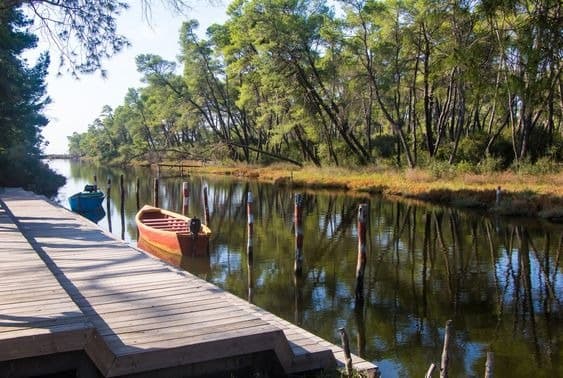
Several observation towers are accessible along marked trails. Boatmen who navigate the channels willingly point out the best observation posts.
Trails and activities
The network of trails allows you to connect interior pine groves, the dune belt and lagoon shores. Routes can be explored on foot or by bike, with no elevation change. To venture off marked trails, it is advisable to go accompanied by a park ranger.
Picnic areas are set up in the pine groves: on Sundays, they are frequented by Albanian families spending the day out.
When to visit
The park can be visited year-round, but each season offers different attractions.
- Spring (April-June): common tern nesting on the southern lagoon shore, return of migrants, vegetation in bloom.
- Summer: intense heat, accessible beaches, but significant mosquito presence in wetland areas.
- Autumn: migration passage, mild temperatures, light favourable for photography.
- Winter: best period for observing Dalmatian pelicans and dabbling ducks on the lagoon.
Note: mosquitoes are active from April to October in wetland areas. The park also harbours venomous snakes: stay on trails and wear high-topped shoes.
Practical information
Park access is free for pedestrians. Motorized vehicles are subject to a modest fee, varying according to size (car, minibus, bus). An information centre at the entrance distributes trail maps and provides recommendations on wildlife, flora and current conditions; its hours vary by season.
Recommended equipment:
- high-topped hiking shoes (terrain is wet much of the year);
- waterproof and windproof clothing;
- mosquito repellent from April to October;
- binoculars and ornithological guide;
- water, snacks and first aid kit.
In case of snake bite, attempt no improvised action: immobilize the affected limb and contact emergency services via the information centre or your guide.
How to get there
From Tirana, take the motorway towards Durrës, then follow the road in the direction of Fier. Approximately 38 km further, follow signs indicating Cerma and Sipërme, then continue to Divjaka. From Divjaka town, the park entrance is reached on foot in about twenty minutes' walk. The reception centre is located at the park entrance.
Nearby
The park lends itself well to an itinerary combined with other Albanian sites:
- the Karaburun peninsula, another protected natural area on the Adriatic coast;
- the Germenj-Shelegur National Park, in the mountainous interior;
- Rozafa Castle, in Shkodër;
- the National Historical Museum of Tirana, to place the visit in the country's context.
Frequently asked questions
Frequently asked questions
Winter is ideal for Dalmatian pelicans and ducks. Spring offers common tern nesting and the return of migrants. Autumn is favourable for migration passage.
Pedestrian access is free. Motorized vehicles pay a modest fee varying according to their size.
Allow half a day to walk a trail and observe the lagoon. A full day allows you to combine hiking, a boat trip on the canals and birdwatching.
Marked trails can be explored independently. To venture off paths or identify birds, the accompaniment of a ranger or ornithological guide is recommended.
Mosquitoes are active from April to October in wetland areas: bring repellent. Venomous snakes are present: stay on trails and wear high-topped shoes.
Plan your trip
Divjaka-Karavasta National Park integrates easily into an itinerary along Albania's Adriatic coast. To build a complete route, consult our range of travels in Albania.
Interested in this visit?
We can include it in your personalised itinerary.