Kičevo
Kičevo
Just 120 km from Skopje, Kičevo blends Byzantine heritage, Ottoman traces, and Balkan mountain landscape. An authentic stop to discover between Skopje and Ohrid.
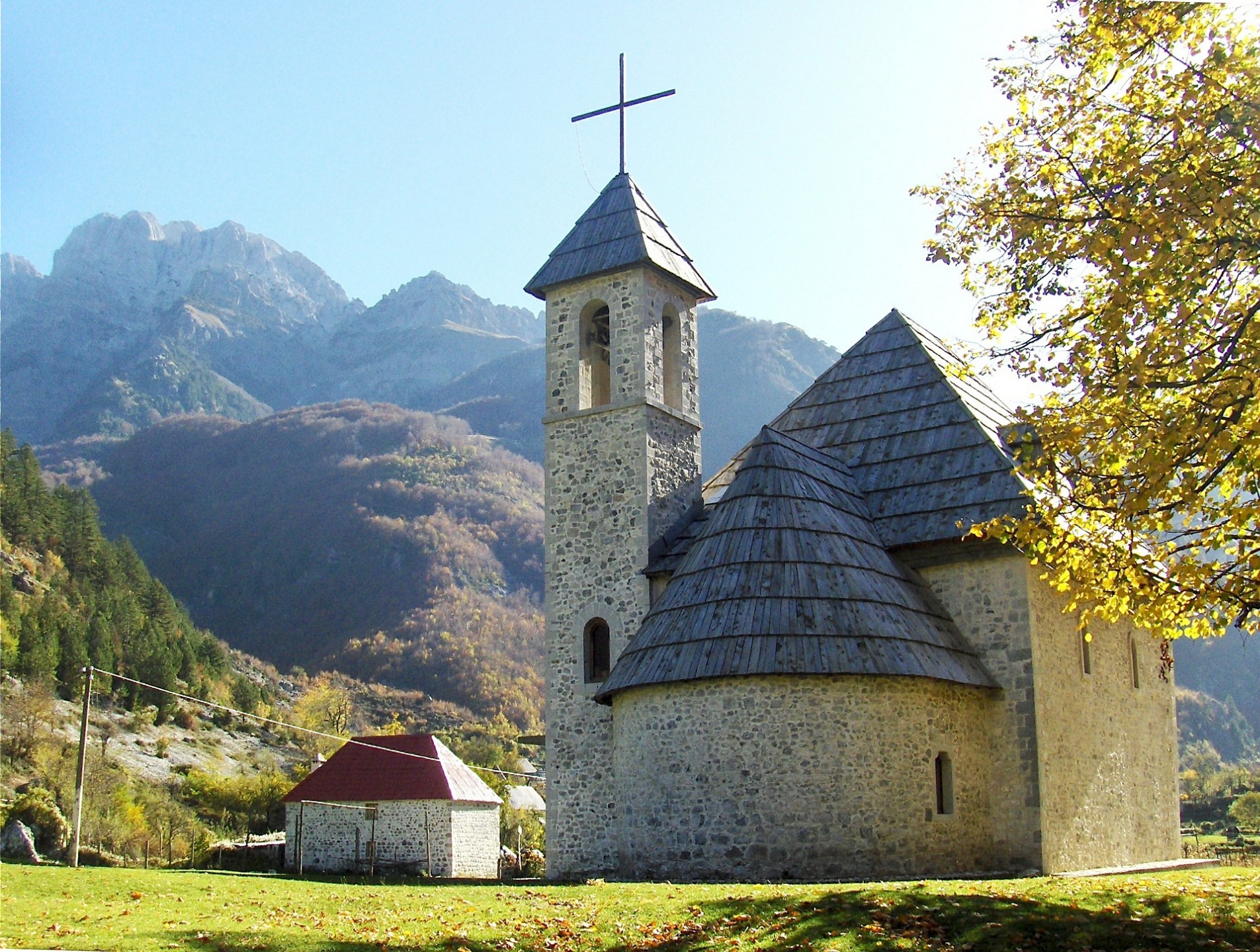
Nestled in the heart of the Balkan mountains in southwestern North Macedonia, Kičevo is an underrated destination rich in history and culture. This town is a place where centuries-old traditions meet preserved natural heritage, with a spirit of diversity felt at every corner. Kičevo offers a unique and immersive experience for visitors eager to discover an authentic North Macedonia. This city is a hidden gem of the Balkans that deserves to be explored.
History
Kičevo is a city whose origins stretch far back into the past, with traces of human occupation since antiquity. Following archaeological excavations in the surrounding areas, an ancient locality called "Uskana" was located near the city. The earliest mentions of this locality date back to the Byzantine period, in 1018, in one of the charters of Emperor Basil II. The city's name was noted as Kicavis.
After the Byzantines, the region came successively under the rule of Macedonian Slavs and the Ottomans. Each of these civilizations left a strong and visible cultural imprint through monuments and local traditions.
In the 7th century, Kičevo was an important center for the Slavs, and it was they who gave it its current name. The city then came under Ottoman control from the 14th century onwards. Under Ottoman rule, the city flourished architecturally and culturally. Numerous mosques, churches, and other structures typical of the Ottoman period were erected. Indeed, several still stand today, offering a glimpse into this period of prosperity.
It should be noted that during the Middle Ages, Kičevo also served as a strategic military center. From the late 14th to early 15th century, the city gradually developed into an important hub of commerce and craftsmanship.
During World War II, Kičevo was under Italian fascist occupation in 1941 and became an active center of communist resistance. It was the first city in the Republic of Macedonia to be liberated in 1945 by Macedonian liberation forces. After North Macedonia's independence, Kičevo retained its multicultural heritage, which remains one of its most defining characteristics.
Culture and Diversity
One of the elements that makes Kičevo unique is its cultural and ethnic diversity. The town is inhabited by a mix of Macedonians, Albanians, Turks, and Roma, each with their own traditions, festivals, and religious practices. This multicultural aspect is reflected in the way residents live and in the city's architecture. Churches and mosques stand side by side throughout the city.
Moreover, Kičevo is also known for its tradition of folk music and dance. Local festivals, such as the Feast of Saint George (Gjurgjovden) and numerous Muslim religious celebrations, attract visitors from across the region. They showcase traditional costumes, music, and dance that are integral to the city's identity.
Furthermore, local craftsmanship is also very much present. You can find products such as pottery, embroidery, and handmade carpets sold in the city's markets and shops. These craft objects are often decorated with traditional patterns that reflect Kičevo's cultural heritage.
Getting There
By Train
North Macedonia has a railway network connecting several major cities. Kičevo is served by the Skopje-Kičevo railway line. The train journey offers panoramic views of mountains and landscapes, and takes approximately 2 hours from Skopje. This mode of transport is economical, though schedules may be limited, with less frequent service than buses.
By Bus
Bus is one of the most practical ways to reach Kičevo. Several bus lines connect Skopje, Ohrid, Bitola, and other major cities to this town. The journey takes approximately 2 hours from Skopje's bus station, and about 1.5 hours from Ohrid.
By Rental Car
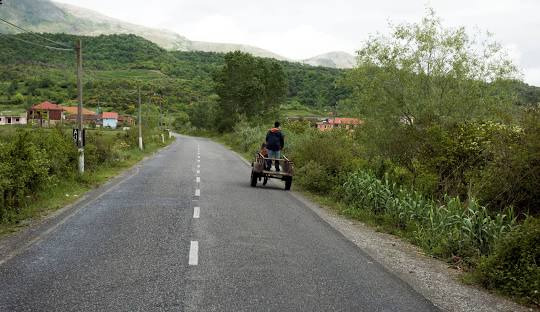
Renting a car to reach Kičevo is ideal for visitors seeking more flexibility. The city is easily accessible by road. It is located approximately 120 km southwest of Skopje and roughly 60 km from Ohrid. Several car rental agencies are available at airports and major cities throughout North Macedonia.
Attractions
Kičevo is home to several historical monuments and tourist sites worth visiting. Here are some must-sees:
Western Macedonia Museum
This museum traces the history of western Macedonia in the 19th century. It also covers the Ilinden Uprising and national resistance during World War II. Inaugurated in 1980, it is housed in a historic building dating from 1892, which once served as a partisan base during the struggle for liberation. The collection features authentic objects, including weapons, flags, and various artifacts bearing witness to this period.
Kičevo Fortress
Although partially in ruins, Kičevo Fortress represents the heart of the region's ancient and medieval civilization. Discoveries of pottery and ancient coins testify to human presence in this location from the Neolithic period through the Middle Ages. Occupied until around 1850 under Ottoman rule, the fortress was subsequently abandoned, allowing residents to reuse its stones for construction elsewhere. Perched on a hill, it offers breathtaking panoramic views of the city and surrounding mountains.
A popular legend tells that this fortress was home to Kita, one of the sisters of King Marko. This is why some locals also call it "Kitino Kale" or Kita's Fortress. It is also important to note that the fortress's current structure largely dates from the late 18th and 19th centuries, when it was transformed into an Ottoman barracks. Additionally, a World War II memorial was erected here in 1968.
Church of Saints Peter and Paul
This is the main church of Kičevo. It was built in 1907 on the foundations of an older building and was consecrated in 1917. The clock tower dates from the Ottoman period. Furthermore, this church is characterized by its prominent bell tower built in 1943.
Bogorodica Prečista Monastery
Known in the medieval period as "Krninski manastir," the Bogorodica Prečista Monastery is one of the region's most important sites. It is located a few kilometers from Kičevo. This monastery was built around the 14th century and is dedicated to the Virgin Mary. It was burned in 1558, and fortunately, the monks managed to escape using underground tunnels.
The site is particularly valued for its architecture, ancient frescoes, and peaceful atmosphere. Visitors can admire the icons and murals that tell the story of Orthodox faith in the region. It should be noted that today it is a women's monastery.
Activities
Beyond its cultural treasures, Kičevo offers several activities for outdoor enthusiasts. The city is surrounded by mountains such as Bistra and Stogovo. These mountains offer spectacular landscapes and feature hiking trails that allow for mountain biking and even climbing.
In winter, the region becomes a playground for skiing and snowboarding enthusiasts. Although the ski slopes are less frequented, they are nonetheless just as attractive as those at more popular tourist resorts.
Moreover, Lake Debar, located not far from Kičevo, is another beloved spot for activities such as fishing, kayaking, and family picnics.
Furthermore, the surrounding forests are home to rich wildlife, including brown bears, wolves, and a wide variety of birds. These are places to discover for nature lovers and birdwatchers.
Want to discover this destination?
Our local advisors design your tailor-made trip.