Karavasta Lagoon
Karavasta Lagoon
Albania's largest lagoon and Ramsar-classified wetland, Karavasta harbors the country's principal breeding colony of Dalmatian Pelicans at the heart of Divjaka-Karavasta National Park.
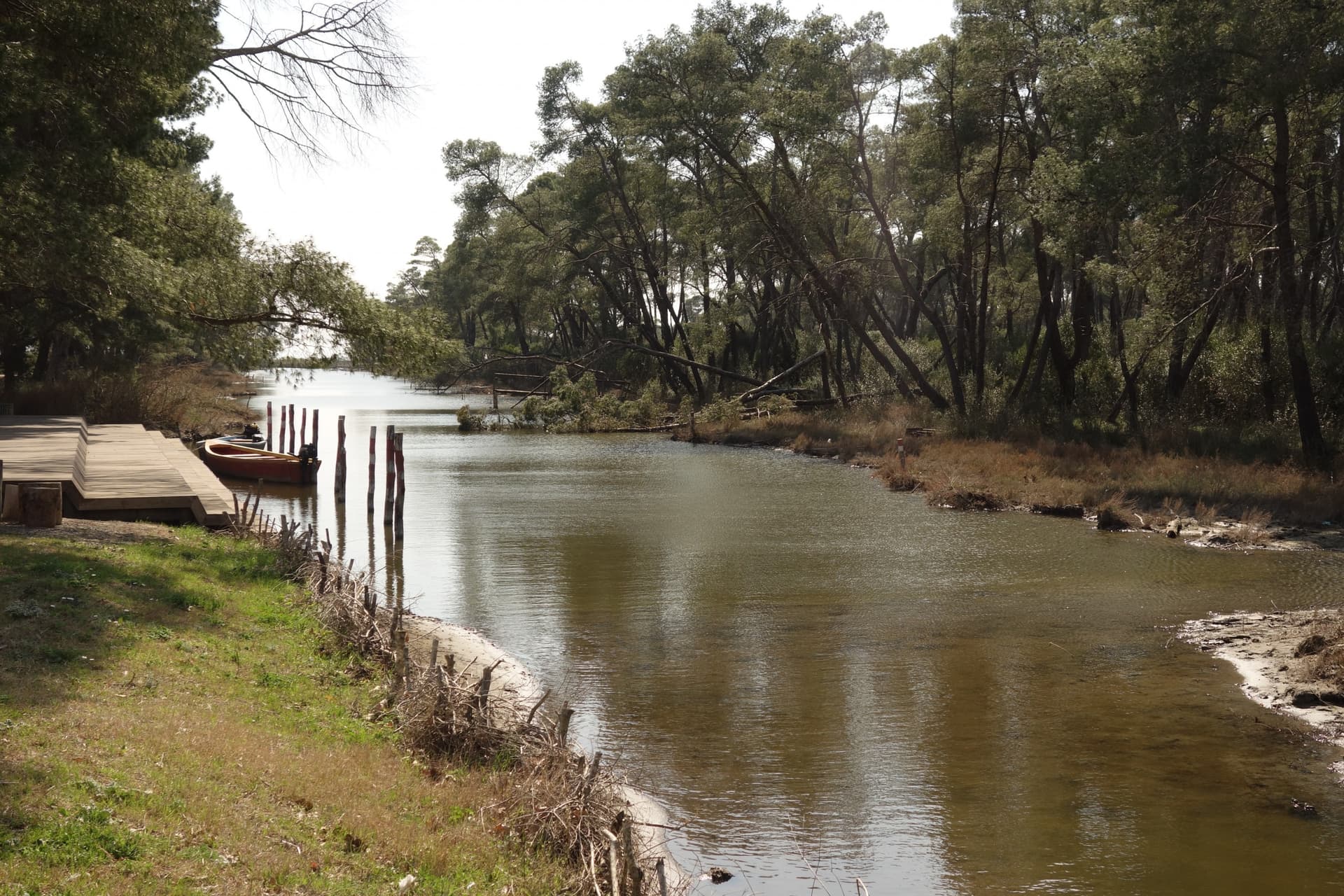
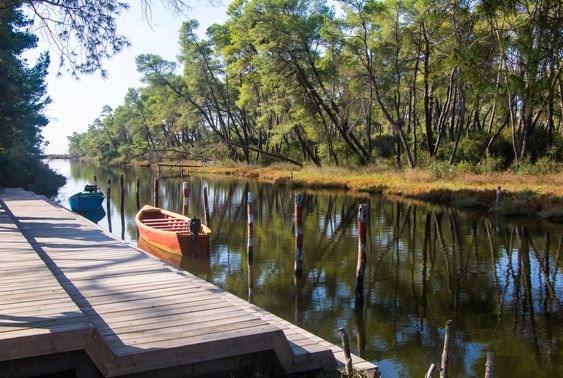
On the central coast of Albanie, the Karavasta Lagoon stretches across 4,300 hectares within the Divjaka-Karavasta National Park. The country's largest lagoon, separated from the Adriatic by a long sand bar, it shelters one of the principal breeding colonies of Mediterranean Dalmatian Pelicans and more than two hundred bird species. Access is from the small town of Divjaka, halfway between Durrës and Vlora.
Why visit Karavasta Lagoon
Karavasta combines three rare assets on the Albanian coast: internationally recognized biodiversity, a landscape of pine forests and lagoons preserved from coastal development, and simple accessibility from the Durrës-Vlora axis. The area has been classified as a Ramsar site and Important Bird Area since 1994, and as an Emerald site under the Bern Convention in 2008.
The primary interest remains ornithological: 240 bird species have been recorded, including migrants and winter residents, and the lagoon is the principal breeding site for Dalmatian Pelicans in Albanie, a species vulnerable globally. The coastal pine forests, small islands, sand bar, and adjacent lagoons (the godullas) compose a mosaic of habitats easily explored on foot or by boat.
History and formation
The lagoon formed approximately four centuries ago and reached its current contours in the early nineteenth century. The small peripheral lagoons called godullas appeared between the late nineteenth and early twentieth centuries. The western flanks of the Divjaka hills, which overlook the area, are composed of sands, silts, and conglomerates dating to the Pliocene. The central section is marked by a clay layer, bordered by sand, peat, and subclay.
Sedimentary deposits from the Shkumbin and Seman rivers, combined with Adriatic swell, shaped the coastline. The Divjaka sand bar gradually developed until it isolated the lagoon from the sea.
The twentieth century weakened the site's equilibrium. Drainage efforts in the 1960s converted part of the wetlands into agricultural land. The Shkumbin River, polluted by metallurgical industry in Elbasan, saw its water quantity cut in half, leading to declining populations of fish and pelicans. Awareness came later, supported by international organizations: hunting regulation, agricultural practice oversight, national park creation in 2007, and development of local ecotourism offerings.
What to see
- Pelican Island: the principal Dalmatian Pelican breeding site, observable from a distance to avoid disturbing the colony.
- The four-hundred-year-old pine, a remarkable tree in the pine forest, witness to the original vegetation of the sand bar.
- The wooden observation tower, which rises above the canopy and offers a panoramic view over the lagoon and pine forest.
- The sand bar: a long beach separating the lagoon from the sea, accessible on foot from the park.
- The Divjaka oasis, the classic departure point for pine forest walks.
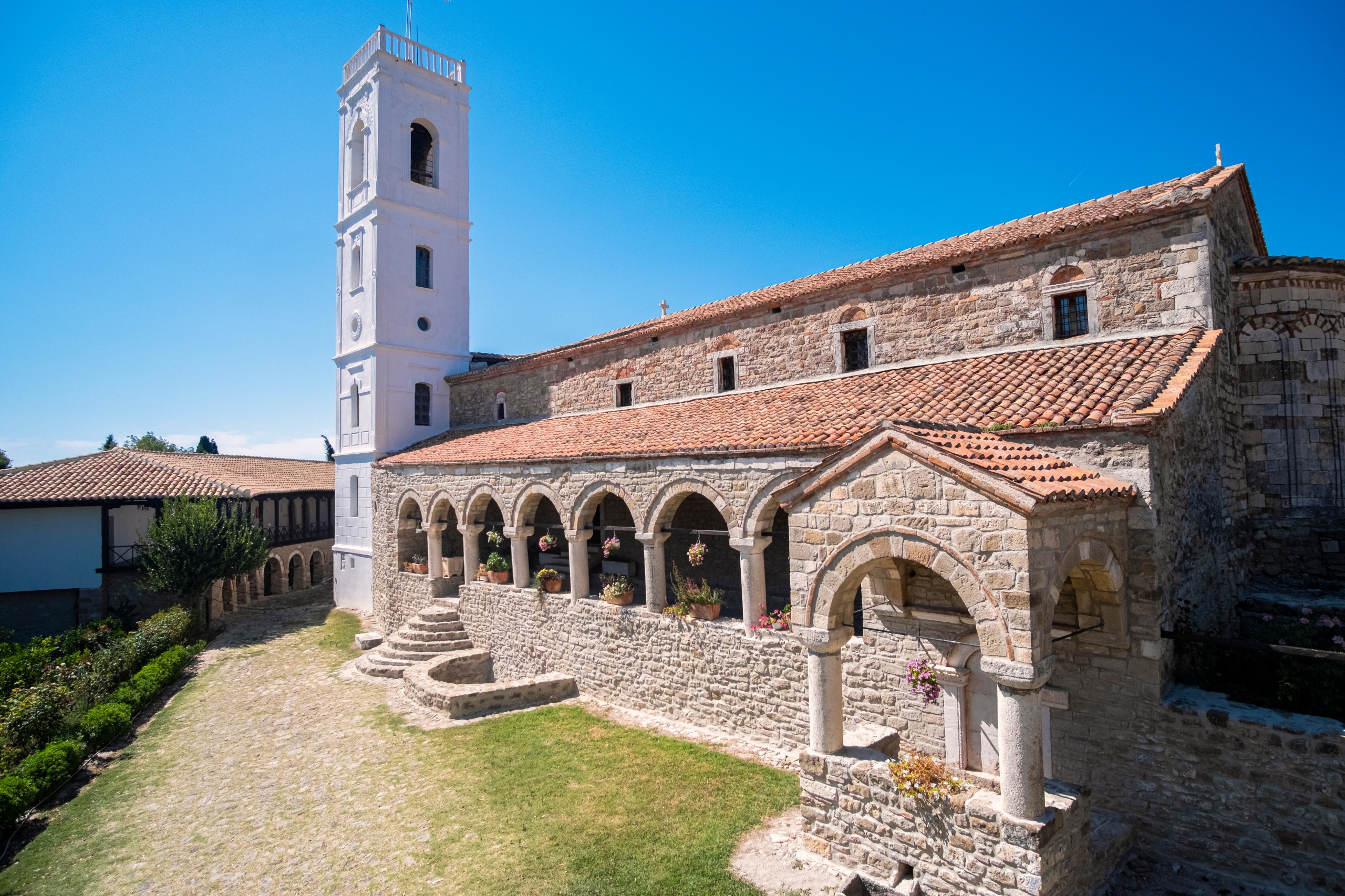
- Byzantine remains scattered throughout the area, adding a cultural dimension to the natural route.
Observation is practiced with binoculars from marked trails, boardwalks, and the tower. Kayak and traditional boat outings are offered by local providers, generally in partnership with Divjaka residents.
When to visit
The lagoon can be visited year-round, but ornithological seasonality strongly shapes the experience.
- January to June: Dalmatian Pelican breeding season. This is the key window to observe the colony, while keeping your distance.
- March–May: spring migrant passage, mild temperatures, pleasant pine forest.
- September–November: second migration wave, soft light, few visitors.
- Winter: presence of wintering birds, notably songbirds and ducks. Damp conditions, trails sometimes muddy.
- Summer: visitor numbers increase with the beach season; prioritize early morning hours for observation.
Practical information
- Duration of visit: allow half a day for the pine forest, observation tower, and a view of the lagoon; a full day if you add the sand bar and a boat trip.
- Recommended equipment: binoculars, closed-toe shoes, mosquito repellent (the wetland has many in spring and summer), water, sun protection.
- Fee: park entry at moderate cost; guided tours and boat rentals are arranged separately with local providers.
- Rules: do not approach bird colonies, stay on trails, no open fires in the pine forest.
How to get there
Access is via the town of Divjaka. From Durrës, follow the SH4 southward, then turn onto the SH57 toward Elbasan, and follow signs for Divjaka-Karavasta National Park.
There is no direct public transport to the park. From Tirana or Durrës, take a bus toward Fier, Lushnjë, or Berat and get off at the junction between SH4 and SH57; taxis wait at the roundabout and provide shuttle service to the park entrance. A rental car remains the most flexible option.
Nearby
- Karaburun Peninsula: wild coast and sea caves further south.
- Lake Shkodra: another major Ramsar site in the country, in the north.
- Germenj-Shelegur National Park: mountain forests and natural springs.
- Lake Koman: ferry crossing through the Albanian Alps.
Frequently asked questions
Frequently asked questions
Plan your trip
To include Karavasta Lagoon in a complete itinerary between the Adriatic coast, national parks, and Ottoman towns, consult our custom trips to Albanie.
Interested in this visit?
We can include it in your personalised itinerary.