Tirana
Tirana
A reinvented capital blending Ottoman heritage, communist relics and creative energy, Tirana reveals itself on foot over 2 or 3 days.
The communist history resonates through the main buildings and landmarks of Tirana. Yet the capital of Albania has not stood still. It has transformed from an isolated outpost into a vibrant city eager to open itself to the world.
History of Tirana
The earliest mentions of Tirana are found in a Venetian document dated 1418. At the request of Ottoman general Sulejman Pasha in 1614, the nascent city was equipped with a mosque, Turkish baths and a bakery. Tirana remained a modest town until the dawn of the 20th century, when it had a population of around 12,000. In 1920, the provisional Albanian government designated the rapidly growing Tirana as the country's capital, a decision reinforced by Hoxha's communist government in 1944.
Following World War II, during which Germans controlled the city, the local population had grown to 60,000. This was followed by a period of strong industrial and demographic growth, bringing the population to 137,000 by 1960. The massive migration of Albanians from the North in the late 20th century accelerated this expansion.
In recent years, the capital has been grappling with overpopulation due to a shortage of infrastructure for housing, water and electricity supply, waste management and more. Pollution has also grown with uncontrolled traffic increases. Restoration efforts were undertaken by Mayor Edi Rama from 2000 to 2011, including the taxation of polluting industries, creation of green spaces and restoration of the banks of the Lana river, though much remains to be done.
Tirana Today
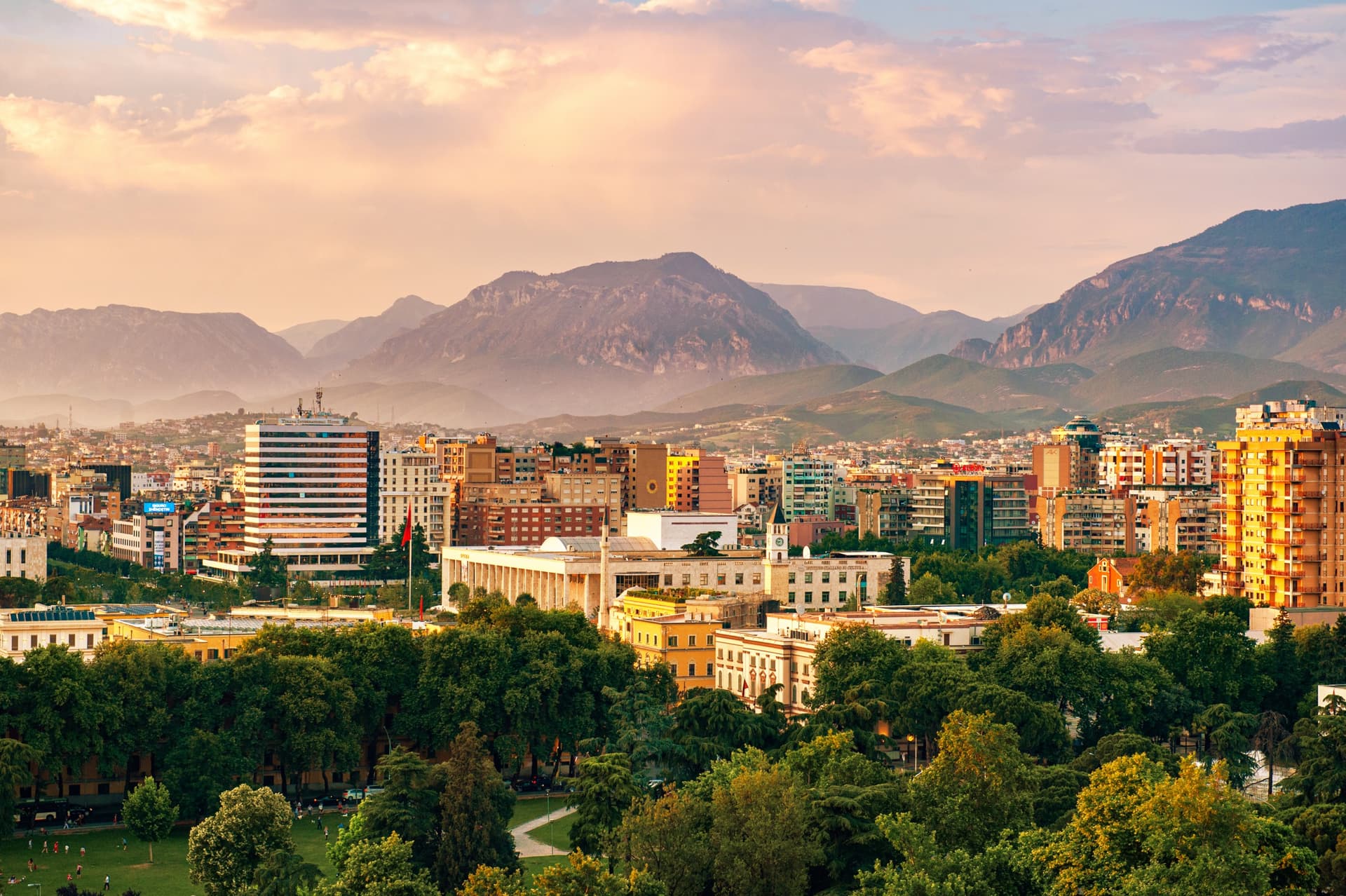
At first glance, Tirana may appear congested, yet behind its chaotic appearance lies a city rich in character and undergoing renewal. It is a dynamic place with its own distinctive atmosphere, and its vistas captivate from the moment you arrive.
At New Bazar Tirana, a sprawling market with modern architecture, colours and aromas will set your senses ablaze. It is one of the city's most photogenic spots. Next, head to Bunk'Art for a brief historical interlude. These museums showcase modern Albanian history—how the country lived through World War II and Benito Mussolini's siege, fascism, then oppressive communism with the construction of hundreds of thousands of bunkers across the territory in the 1970s, and more. Bunk'Art 1, secretly created between 1972 and 1978, was an anti-nuclear complex built 100 metres beneath the mountain, spanning 2,685 m² divided among around one hundred rooms. Relive the spine-tingling wartime atmosphere while traversing the two-hour route accompanied by a shrill alarm sound. Bunk'Art 2, located in central Tirana, is smaller. It reveals the secrets of Enver Hoxha's political police and honours victims of communist repression in Albania. From this harsh period, only preserved or restored buildings and installations remain, such as the grand Skënderbej Square, which once hosted military rallies, the Tirana International Hotel, the Palace of Culture, government ministries and more.
The Boulevard of the Martyrs of the Nation offers a pleasant walk, passing the National Art Gallery and the Pyramid of Tirana, leading to Nënë Teresa Square.
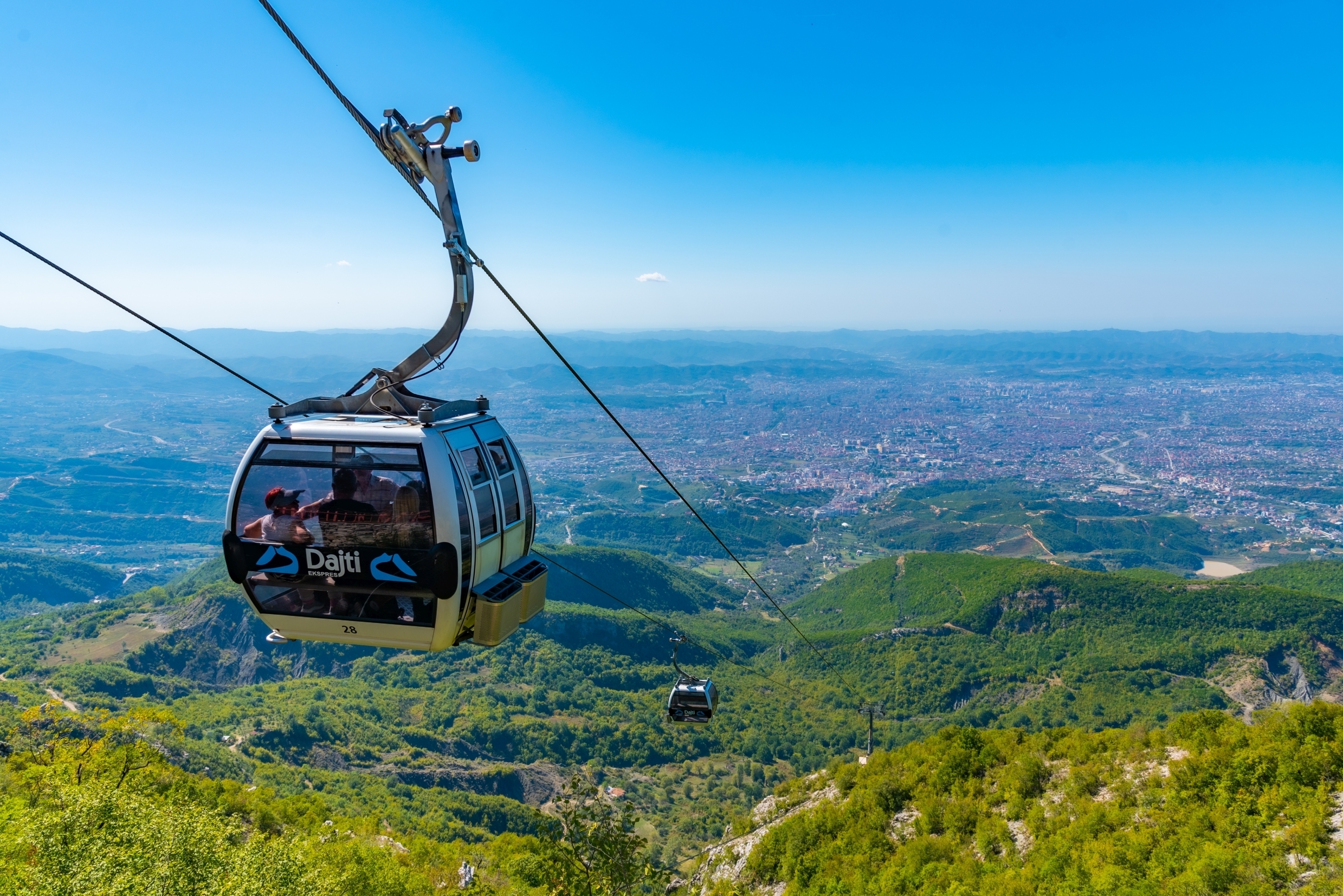
For a quick overview of the city's main attractions, join the Free Walking Tour in Tirana. A local guide will provide commentary at each stop on the route beginning at the Opera House. There are two departures daily, at 10 a.m. and 6 p.m. If you wish to escape the urban bustle for half a day, you can combine a visit to Bunk'Art 1 with an excursion to Mount Dajti via the cable car. Hiking trails also lead to the heights for seasoned walkers. From the summit, the view over Tirana is simply breathtaking. End your stay with a relaxing evening at Blok, Tirana's trendy district. During communist rule, this area was off-limits to the general public, reserved exclusively for government members. After Enver Hoxha's death, young people gradually claimed the space and transformed it into a street-art gallery. You'll find numerous shops for souvenir shopping, as well as bars and clubs for unwinding.
Climate
Tirana enjoys a Mediterranean climate characterised by a hot, dry summer season, followed by a humid winter with sometimes harsh cold due to continental influences.
Tirana International Airport is located approximately 11 km north-west of the city. It welcomes several European airlines, though it does not yet offer direct flights from France. If departing from Paris, you will need to make a stopover in Rome, Munich or Vienna.
If you're already in Albania, trains run between Shkodra and Tirana. The city is also connected to Durrës by rail. Journeys take longer than by bus. From Athens, there are buses to Tirana. Journeys, available daily, typically depart around 8 p.m. for a total journey of 13 hours. From Kosovo, the bus journey from Pristina takes approximately 6 hours.
Tirana is not large despite its capital status. You can easily discover it on foot. However, be cautious on the roads, as traffic is quite chaotic. It is not advisable to drive or use public transport within the city, unless you're heading to Bunk'Art 1 or the Dajti cable car. Getting around by car within the city is very complicated due to uncontrolled traffic and the near-absence of road signs. Buses are often packed. As a last resort, take a taxi if you really don't feel like walking.
What to do in Tirana?
- Photograph local life scenes at New Bazar Tirana
- Relive the anxiety of soldiers during World War II at Bunk'Art 1
- Stroll through the grand Skënderbej Square
- Take an excursion to Mount Dajti
- Have a drink in the Blok district, and more.
Attractions in Tirana
See all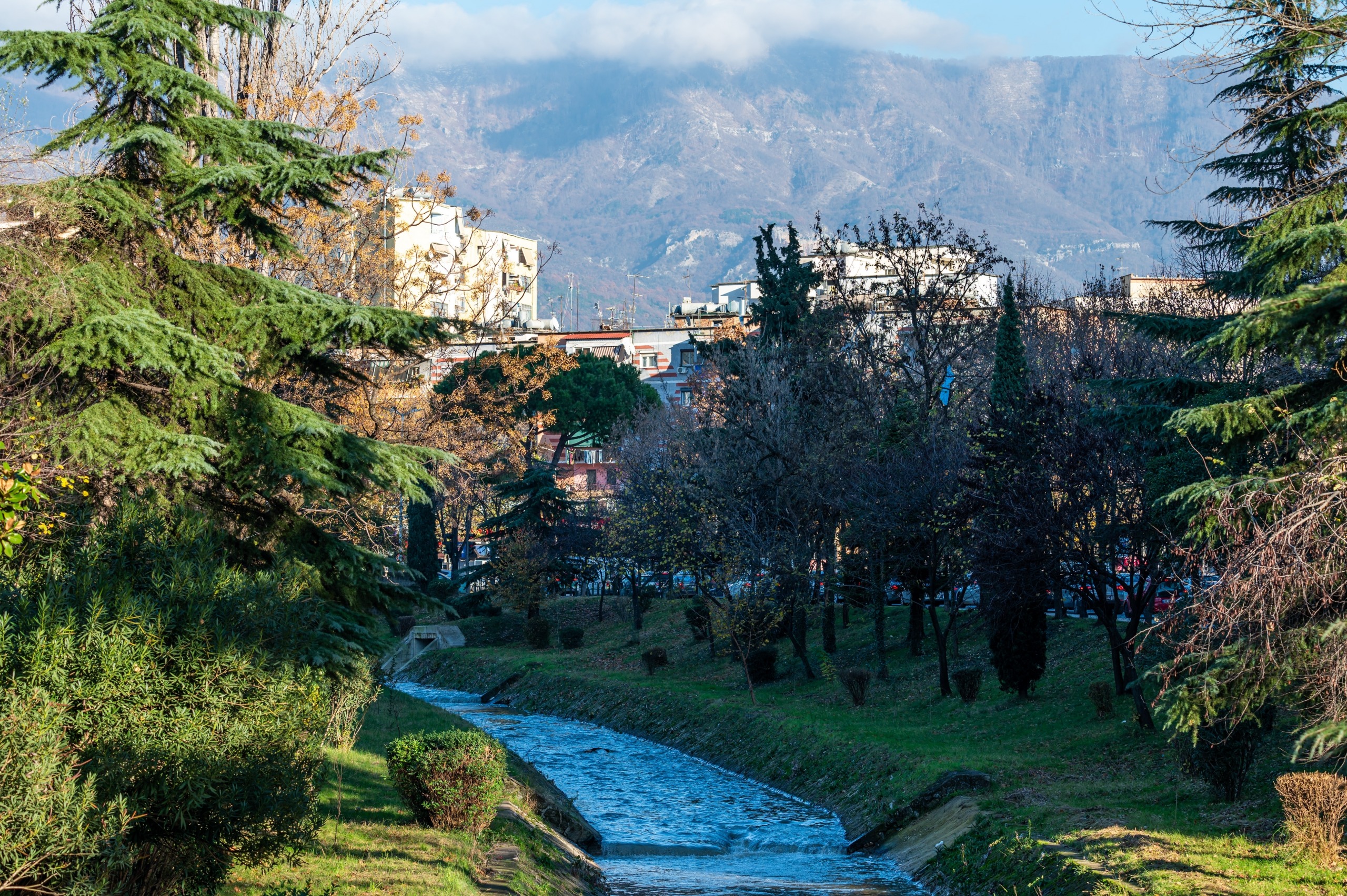
La rivière Lana
Traversant Tirana d'est en ouest, la rivière Lana sert de fil conducteur urbain entre Pyramide, place Skanderbeg et quartier Blloku.
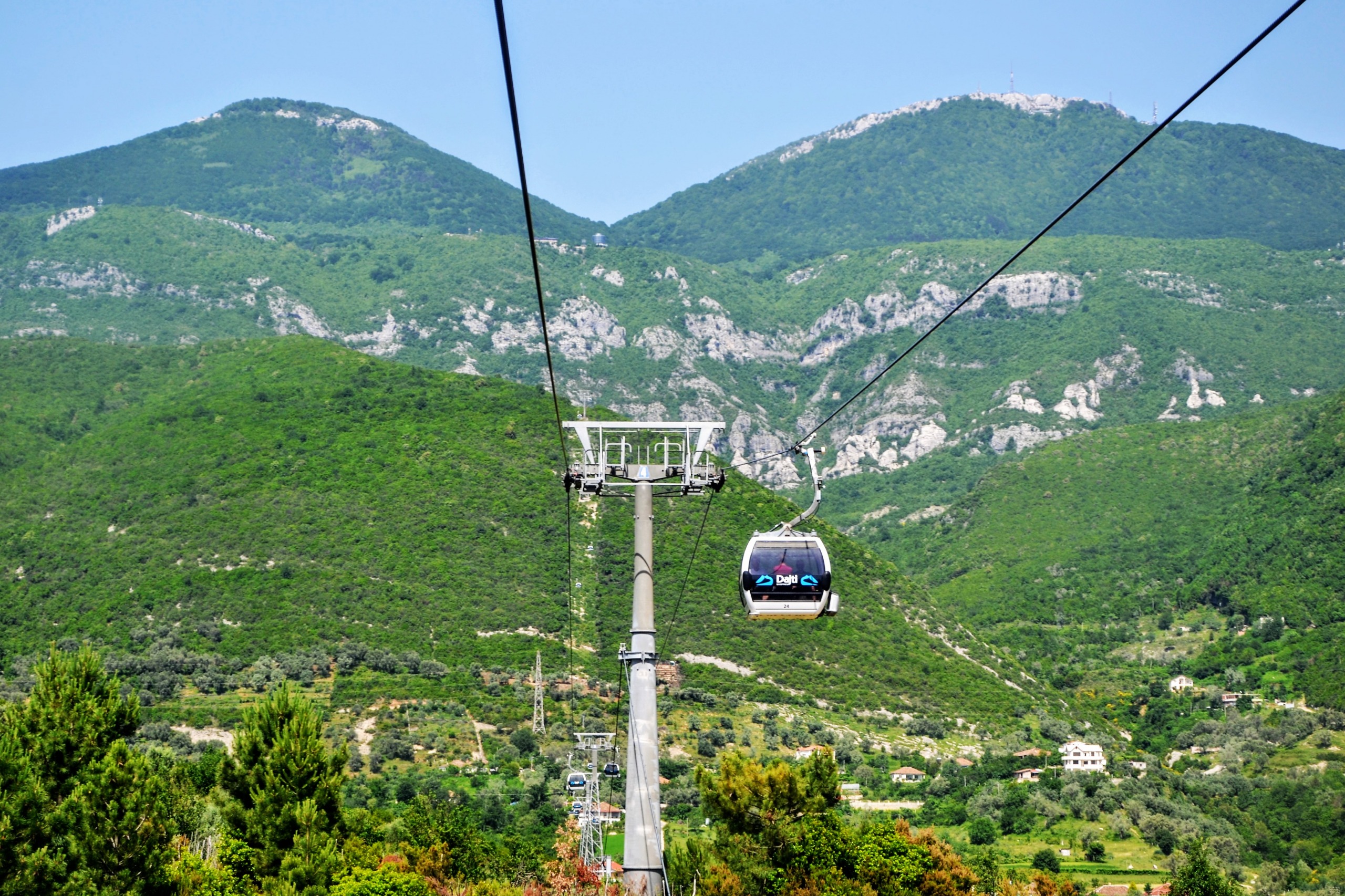
MONTAGNE DAJTI
À 20 km de Tirana, le mont Dajti culmine à 1 613 m. Téléphérique, randonnées en forêt et panorama sur la capitale albanaise dans un parc national.
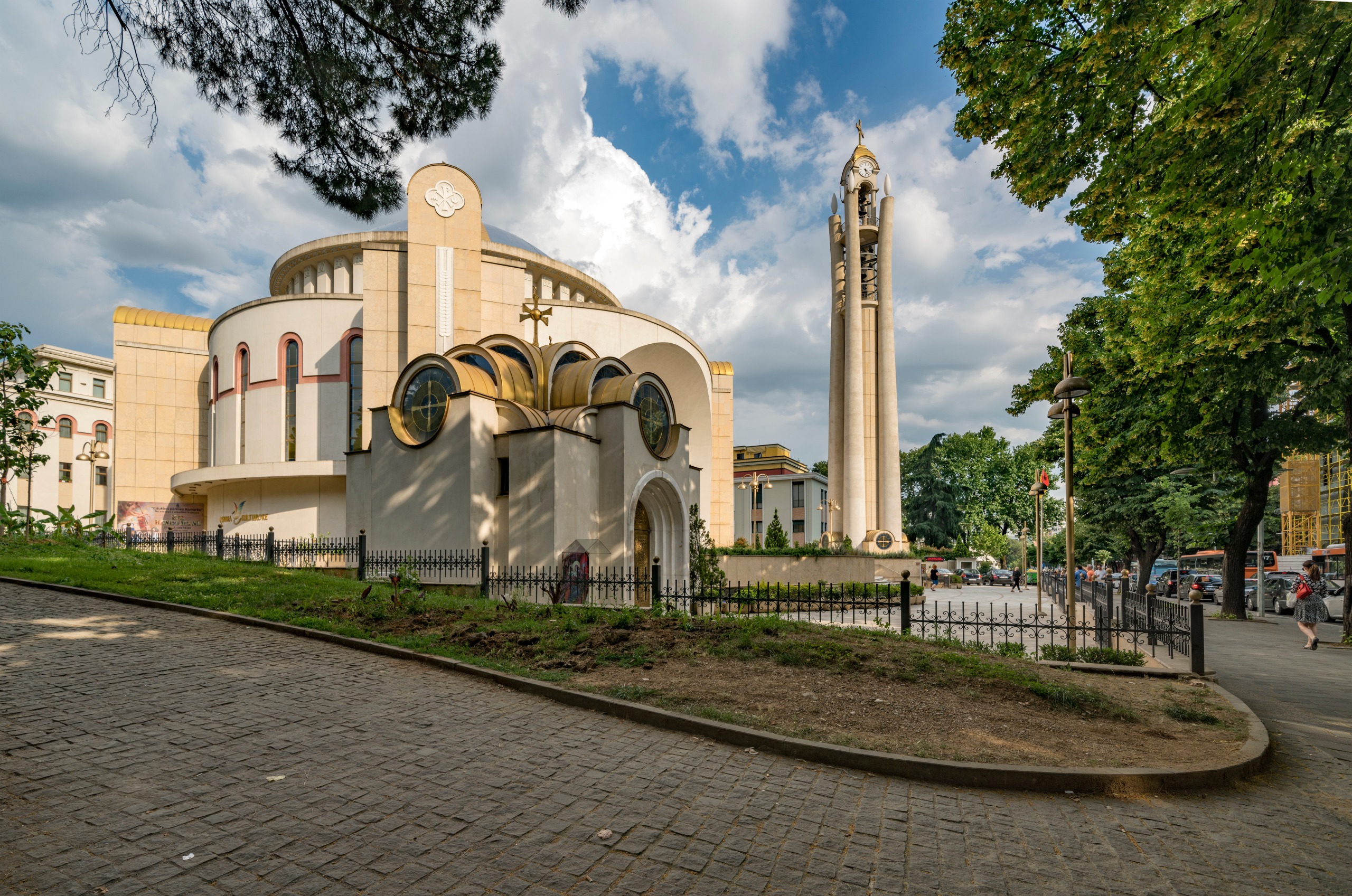
La Cathédrale de la Résurrection du Christ
Inaugurée en 2012 au centre de Tirana, la Cathédrale de la Résurrection du Christ symbolise le retour du culte orthodoxe en Albanie après un demi-siècle d'interdiction religieuse.
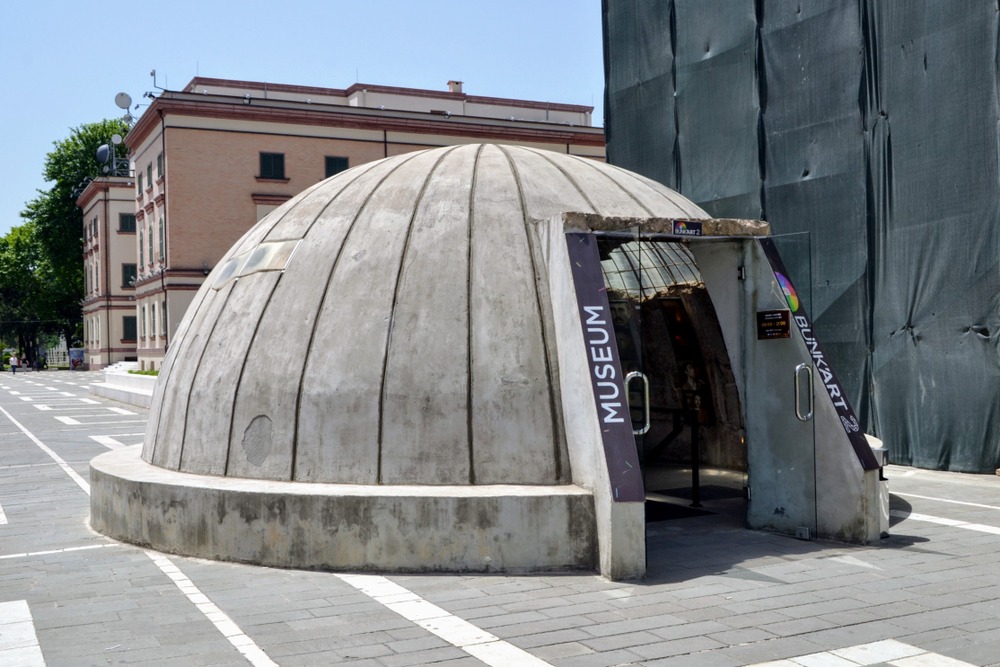
Le Bunk Art Museum
À Tirana, les deux musées Bunk Art occupent d'anciens bunkers antiatomiques et retracent quatre décennies de régime communiste sous Enver Hoxha.
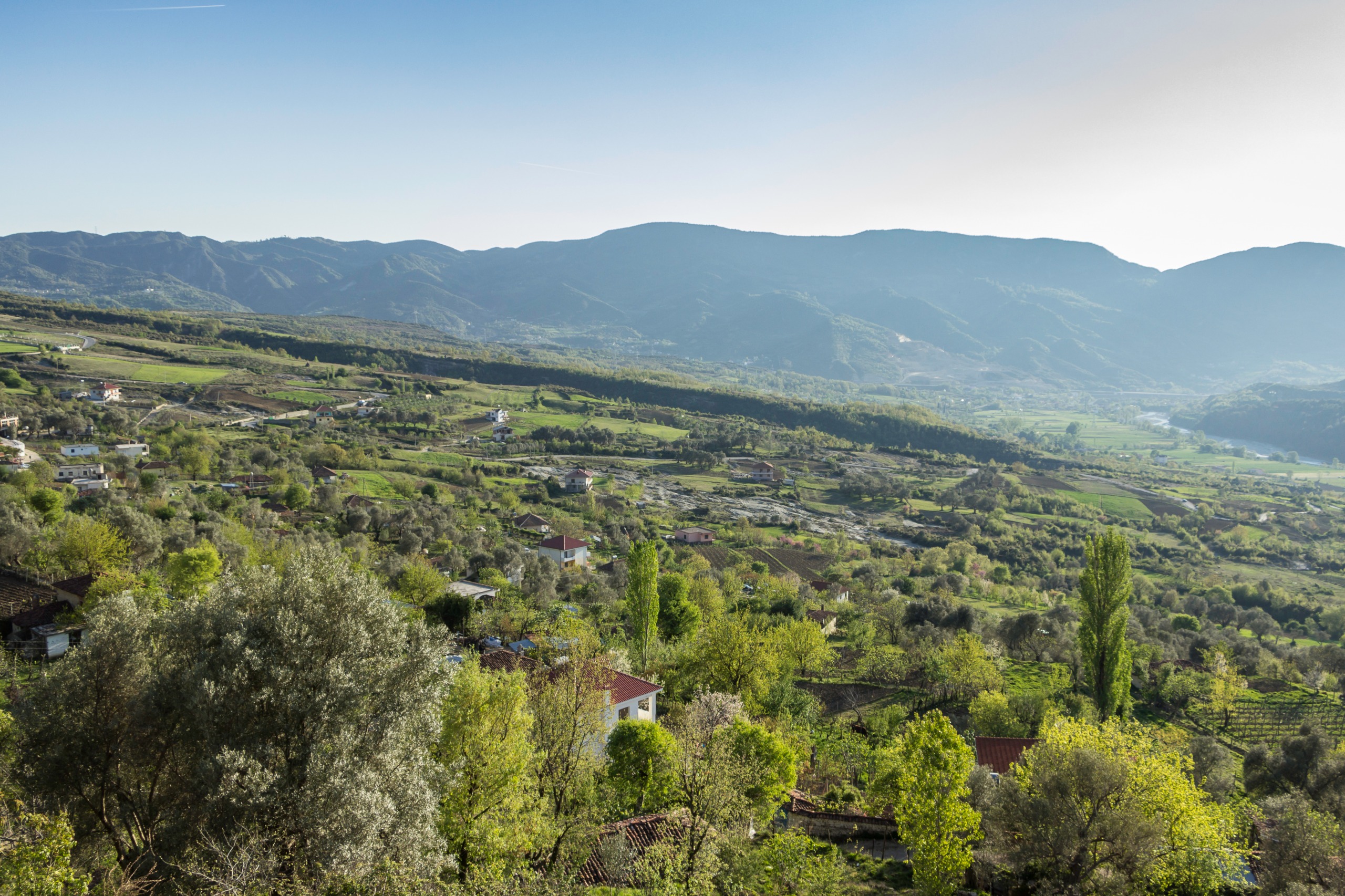
Pëllumbas
À 25 km de Tirana, Pëllumbas combine grotte karstique préhistorique, village de pierre et canyon baignable de l'Erzeni — une sortie nature à la journée.
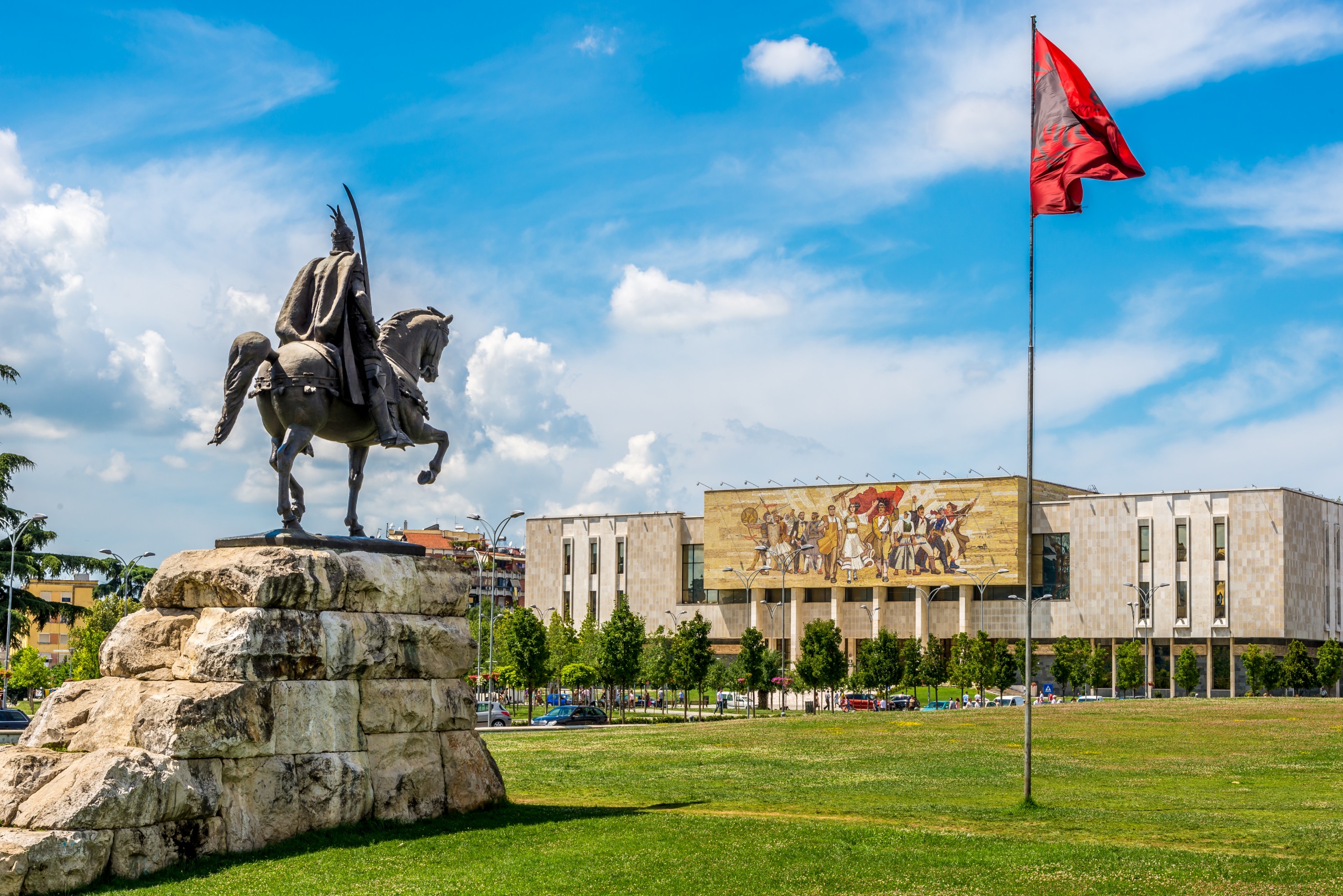
Musée national historique de Tirana
Sur la place Skanderbeg, le plus grand musée d'Albanie retrace 8 000 ans d'histoire à travers 8 pavillons et 6 200 objets, du Paléolithique au régime communiste.
Want to discover this destination?
Our local advisors design your tailor-made trip.