Lushnje
Lushnje
Between the Myzeqe plain and the Karavasta lagoon, Lushnje captivates with its 13th-century monastery, curly pelicans, and foundational history.
Lushnje, or Lushnjë, is a city and municipality situated in the central western part of Albania, in Fier County and approximately fifty kilometers south of Durrës. It is in this region that you will find the Divjaka-Karavasta National Park, one of the most acclaimed destinations in this country for birdwatching. The municipality also abounds in historical and cultural monuments, foremost among which are the Ardenica Monastery and the Lushnje Congress building.
History
Lushnje is a city of considerable historical importance. Indeed, it was here that the congress bearing its name took place from January 28 to 31, 1920. This conference brought together Albanian leaders and political representatives to address questions concerning the military control exercised, following World War I, by foreign troops (French, Greek, Yugoslav, but especially Italian) over territories inhabited by Albanians.
The congress was an affirmation of the country's integrity and sovereignty. Members decided to remove the pro-Italian government based in Durrës and designate Tirana as Albania's new capital. These decisions would later lead to the War of Vlora and the definitive withdrawal of Italian troops from Albanian territory. The residence where the conference took place was transformed into a museum in 1970.
The municipality of Lushnje covers an area of 372.9 km² and comprises 11 subdivisions: Lushnje, Allkaj, Bubullimë, Ballagat, Dushk, Fier-Shegan, Golem, Karbunarë, Hysgjokaj, Kolonje, and Krutje. At the 2011 census, its population was 83,659 inhabitants.
What to See in Lushnje Municipality?
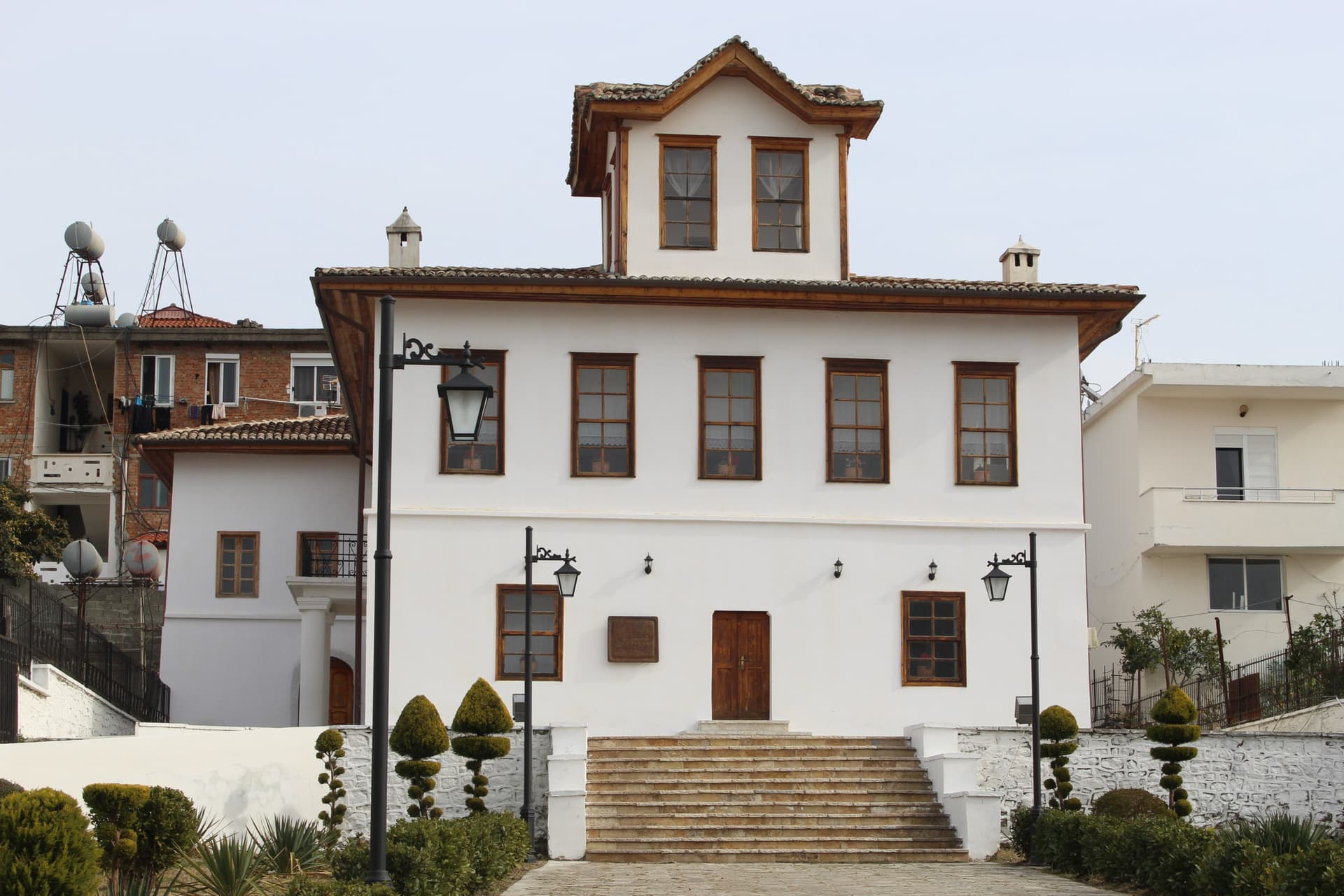
The Lushnje Congress Museum
Located near the city center (Abaz Bej Lushnja Street) of Lushnje, this museum houses documents and photographs related to the country's resistance to fascism. The building itself dates from the second half of the 19th century.
The Toka Jonë Monument
Toka Jonë, meaning "Our Land," stands proudly on the central square of Lushnje. Composed of three bronze statues installed on a circular stone base, it pays homage to the generosity of the earth and to those who depend on it for their livelihood. The monument holds great significance for Albanians, who regard the land as a fundamental element of their culture and national identity. It was created in 1987 by renowned Albanian sculptor Perikli Çuli.
Divjaka-Karavasta National Park
The vast Divjaka-Karavasta National Park is home to the Karavasta lagoon, a sanctuary for numerous bird species present year-round. Located approximately thirty kilometers from the city of Lushnje, you will observe, among others, curly pelicans and pink flamingos. These birds are drawn by the fish thriving in the lagoon, observable during a boat excursion. The protected area is also a haven for hiking enthusiasts, who can wander through its ancient pine forests.
Ardenica Monastery
This important monastic establishment dominates the hill of the same name. The village of Ardenica is situated on its southern side, while to the north lies the town of Kolonje. Historians believe its foundations were laid in 1282 at the initiative of Byzantine Emperor Andronicus II Palaiologus, who erected it following his victory over the Angevins at Berat. The wedding of Gjergj Kastrioti, Albania's national hero, to Andronika Arianiti also took place in this monastery's church.
The Chapel of Saint Triad
In the northeast section of Ardenica Monastery stands the magnificent chapel dedicated to Saint Triad. Built from pumice stone and measuring 7.5 x 3.7 meters, it features a stone arch portal and an eastern window adorned with ceramic bas-reliefs.
The Church of the Dormition of Saint Mary
The Church of the Dormition of Saint Mary is nestled in the village of Bishqethëmpense. Its origins date back to 1198. Completely destroyed by the Turks in 1600, it was rebuilt in 1750.
The Church of Saint Todri
This church is located in the village of Kadipashaj. Unlike most churches in Myzeqe—the region of the large central and western plains of Albania—its structural elements, such as the nave, narthex, and portico, are clearly distinct from one another.
Kasharaj Bridge
The Kasharaj Bridge stands near the village of the same name. Its construction technique indicates it dates from the Middle Ages, possibly the 12th or 13th century.
Practical Information
When to Visit?
The best time to visit Lushnje is from early May to mid-July or from late August to mid-October.
Lushnje is accessible by car from Durrës via the SH4 road. You can also reach it by bus or taxi. Buses are generally frequent, though schedules may vary depending on the season and day of the week. The journey takes approximately one hour.
For more convenient and flexible travel between the numerous villages of the municipality, renting a car is recommended.
Attractions in Lushnje
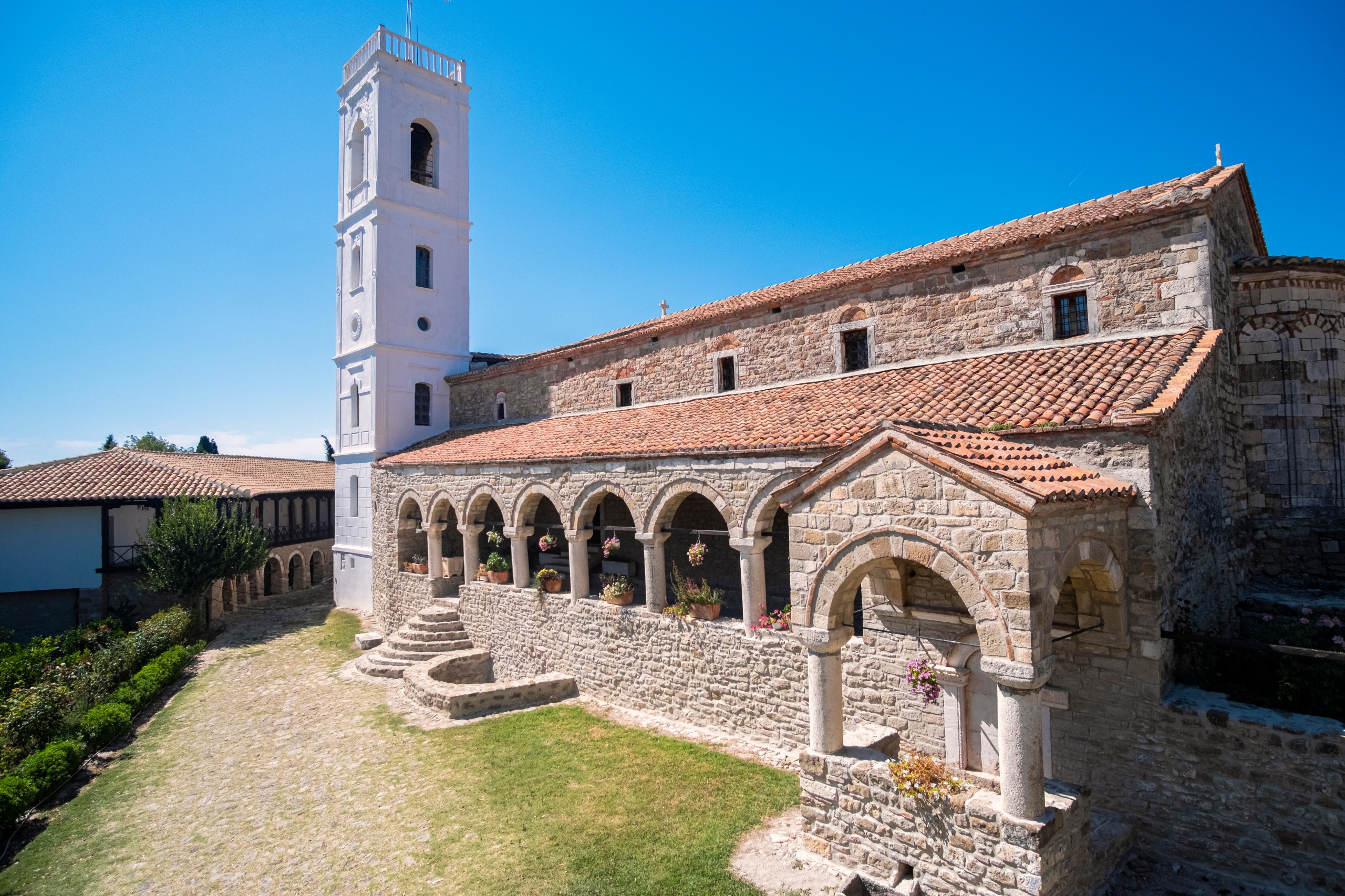
Monastère Ardenica
Près de Lushnjë, le monastère Ardenica conjugue architecture byzantine, fresques de l'école de Korça et mémoire du mariage de Skanderbeg en 1451.
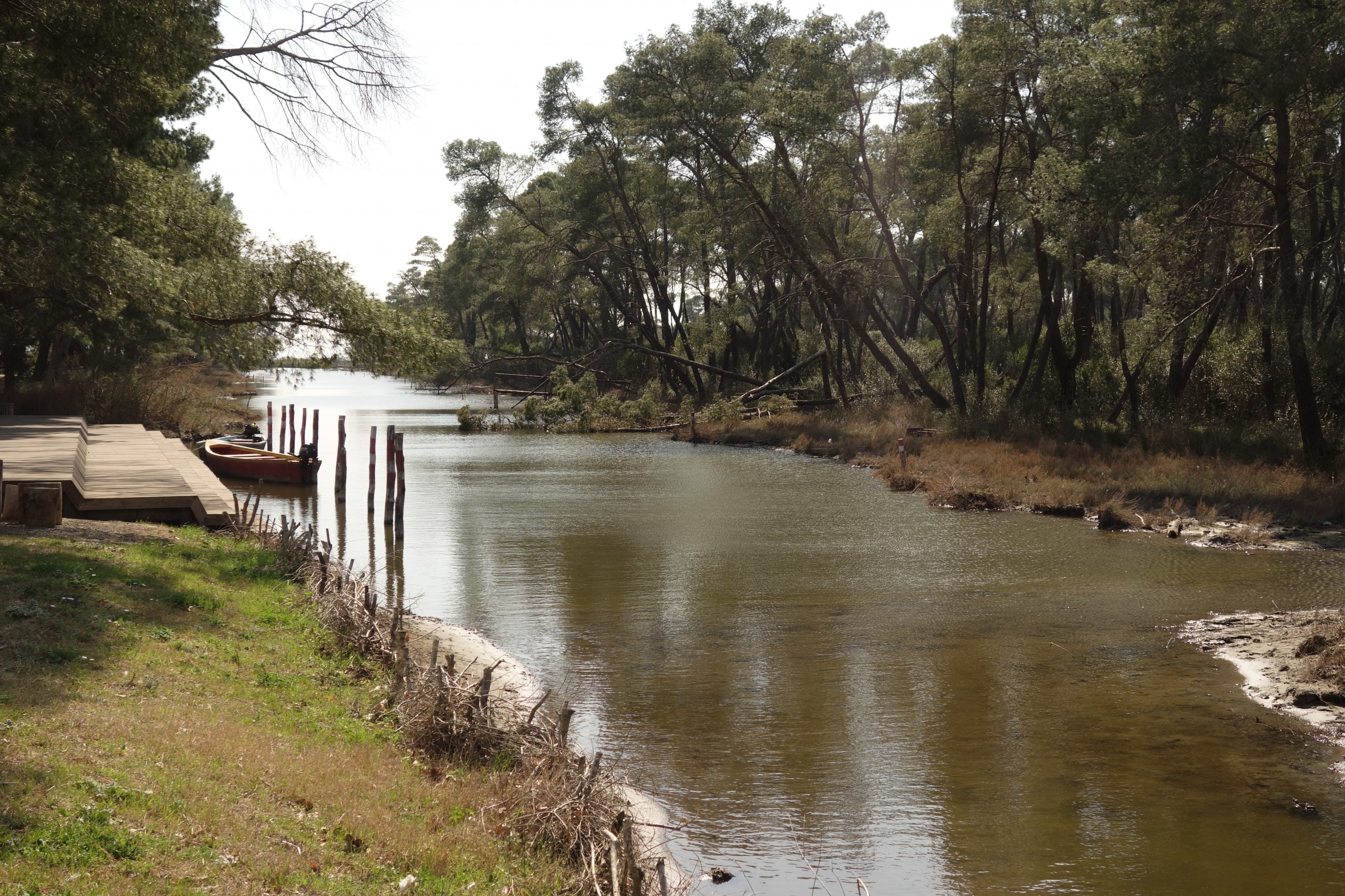
La lagune de Karavasta
Plus grande lagune d'Albanie, classée Ramsar, Karavasta abrite la principale colonie de Pélican frisé du pays au cœur du Parc national Divjaka-Karavasta.
Want to discover this destination?
Our local advisors design your tailor-made trip.