Korçë
Korçë
In southeastern Albania, Korçë cultivates a rare Francophile spirit: French lycée, old bazaar, 15th-century mosque, lakror and Birra Korça since 1928.
Albania's little Paris has retained its distinctive character, despite the heavy toll of Enver Hoxha's former communist regime. It's a pleasure to wander through its streets, discovering museums, mosques, and Orthodox churches. Korçë is home to the first school teaching in the Albanian language and one of the country's oldest breweries.
History
Neolithic remains dating back 6,000 years, unearthed at the old town site, suggest that human presence in Korçë stretches back to antiquity. Medieval documents from 1280 reference the location under the name Coviza.
Korçë's modern history began in the 15th century, when Sultan Mehmet II commissioned Iljaz Hoxha to develop it. The Ottomans arrived in 1440 and made it a sandjak of the Monastir vilayet within their empire. Their occupation ended in 1912. Due to its proximity to Greece, the city became a flashpoint during the Balkan Wars of 1912–1913. The Corfu Protocol assigned the region to what was intended to be the autonomous zone of Northern Epirus in May 1914.
Greek forces reestablished themselves in Korçë in July 1914, at the onset of World War I. The Austro-Hungarians briefly seized it, but ultimately France held sway from 1916 to 1920, establishing an autonomous Albanian zone. Korçë became independent for the brief period following the Treaty of Versailles. The International Boundary Commission soon returned it to Albania.
A clandestine communist movement emerged in Korçë during the interwar period. Italian forces conquered the city, like the rest of the country, in 1939. The Greek army reclaimed it in November 1940 following the declaration of the Greco-Italian War, until the German assault in April 1941. Germans occupied Korçë until October 1944. Meanwhile, communist resistance strengthened, culminating in the founding of the Albanian Party of Labor in 1941.
After the war, Korçë became a major victim of Hoxha's dictatorial regime, which resorted to isolation and executions to suppress opposition. Only after 1990 did communist dominance decline, when the emerging Democratic Party won elections in every municipal constituency.
Korçë Today
Korçë lies just under four hours southeast of Albania's capital Tirana. Inhabited since the Bronze Age, it is a city of rich historical heritage, having sheltered the first Roman baths, with traces of medieval civilization. It was an important trading hub, succeeding Voskopoja after its destruction. The ancient Korça bazaar once housed a thousand shops; now only about 300 remain in operation, yet they still offer a wide array of goods.
Exceptional Museums
The Korçë Archaeology Museum ranks among Albania's finest institutions of its kind. It occupies a restored Ottoman-era building. Its collection honors researchers who labored diligently in the region. You'll find objects spanning different periods, reconstructing the evolution of local tools and decorative arts over millennia.
The Vangjush Mio Museum appeals to art enthusiasts and showcases the work of one of Albania's illustrious painters, whose oeuvre exemplifies early 20th-century Impressionism. The Bratko Museum, meanwhile, allows visitors to appreciate a collection of Asian art.
Full of Surprises in the Historic Center
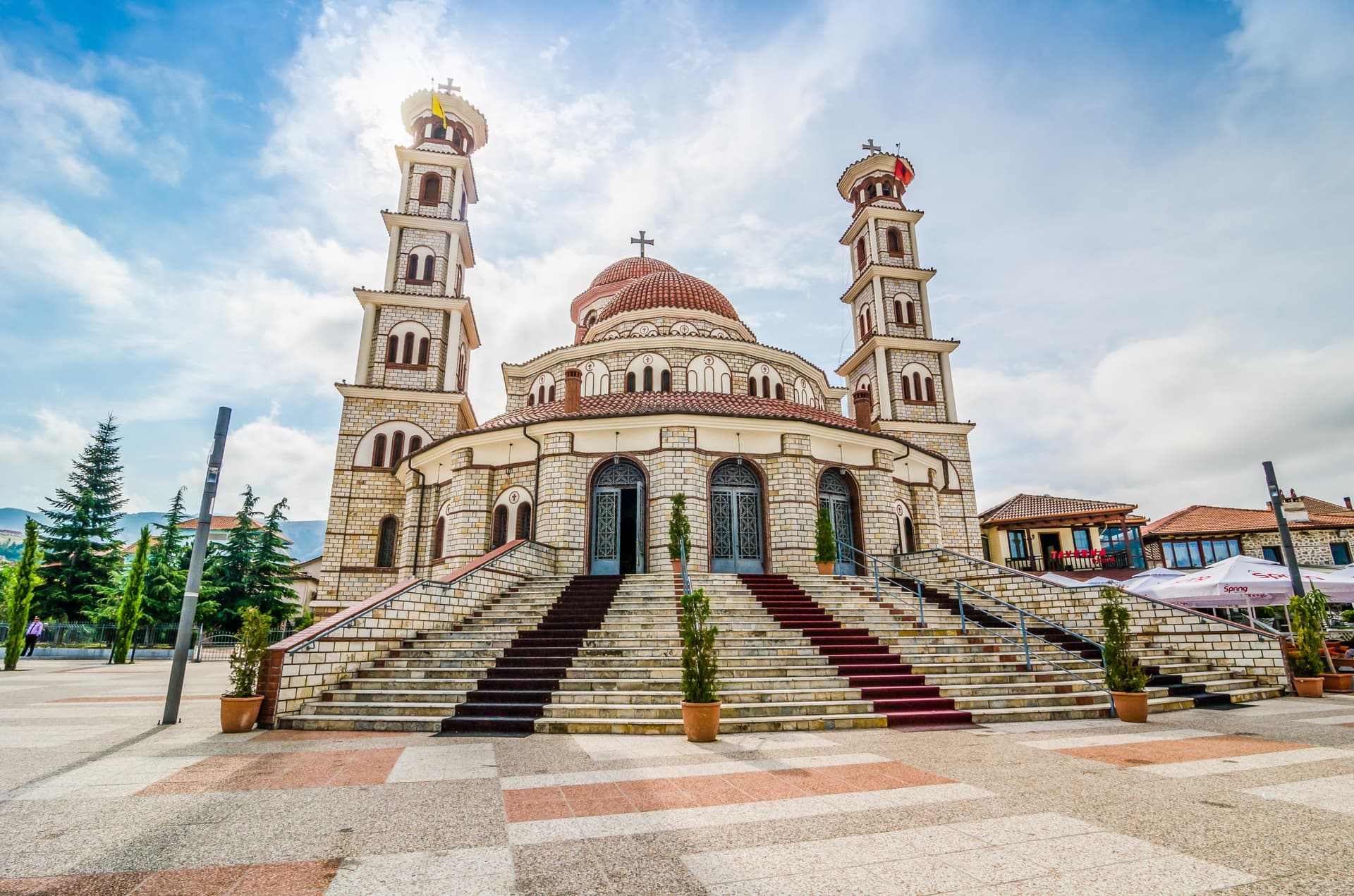
The Mirahori Mosque of Korçë was founded in 1484 and is Albania's oldest mosque. Equally significant, the Cathedral of the Resurrection of Christ stands at the heart of the Orthodox faith that is deeply rooted in the city. Take time to stroll through the historic quarter's narrow lanes, where you'll see charming houses shaded by rows of trees. Then visit the Pazari tradicional market. Korçë is renowned for its rich culinary tradition, of which Lakror is a star. It's a type of byrek with just two layers of pastry, filled with spinach, cheese, or onions and tomatoes. Korçë wines, crafted primarily from merlot grapes, also merit tasting.
A City Close to France
French influence in Korçë dates back over a century; the city is nicknamed Little Paris. In 1887, the first Albanian-language school opened there, and in 1917, one of the country's first French lycées was established, where Enver Hoxha, like most of Albania's intellectual elite, received his education. The city houses the "French Cemetery," built in remembrance of those lost in World War I, where the November 11th commemorations take place annually.
Korçë has maintained strong ties with France, even after its reintegration into Albania. Today, you can still encounter English-speaking locals on the streets, thanks to the still-active lycée and the French Alliance of Korçë.
Climate
Korçë enjoys a continental Mediterranean climate, with August as the warmest month (25°C) and January the coldest (2°C). Throughout the year, temperatures are generally much cooler than in western Albania, owing to its mid-altitude location on a plain. The average annual precipitation totals 830 mm, making it one of Albania's driest regions.
Buses run regularly between Tirana and Korçë, departing hourly from the capital's South Station. The journey takes approximately 3 hours 45 minutes. Public transport regularly connects the city to Durrës, Sarandë, Gjirokastër, Pogradec, and Berat. Two daily buses depart for Korçë from Thessaloniki in Greece. A service also operates from Ohrid in Macedonia via Pogradec.
Korçë's center is easily explored on foot or by bicycle—rental services are available. Buses serve the surrounding mountains and plains.
What to Do in Korçë?
- Wander through the historic center
- Shop at the Pazari tradicional market
- Visit the Korçë Archaeology Museum
- Discover the wine-making tradition of the Korçë region
- Admire the Mirahori Mosque, and more
Attractions in Korçë
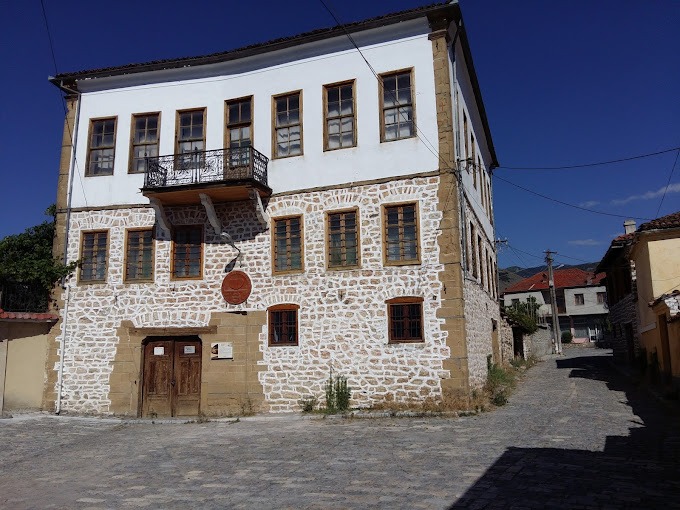
Musée d'archéologie de Korçë
Dans un konak ottoman de 1842, le Musée d'archéologie de Korçë expose environ 1200 artefacts retraçant le bassin de Korçë, du Néolithique au Moyen Âge.
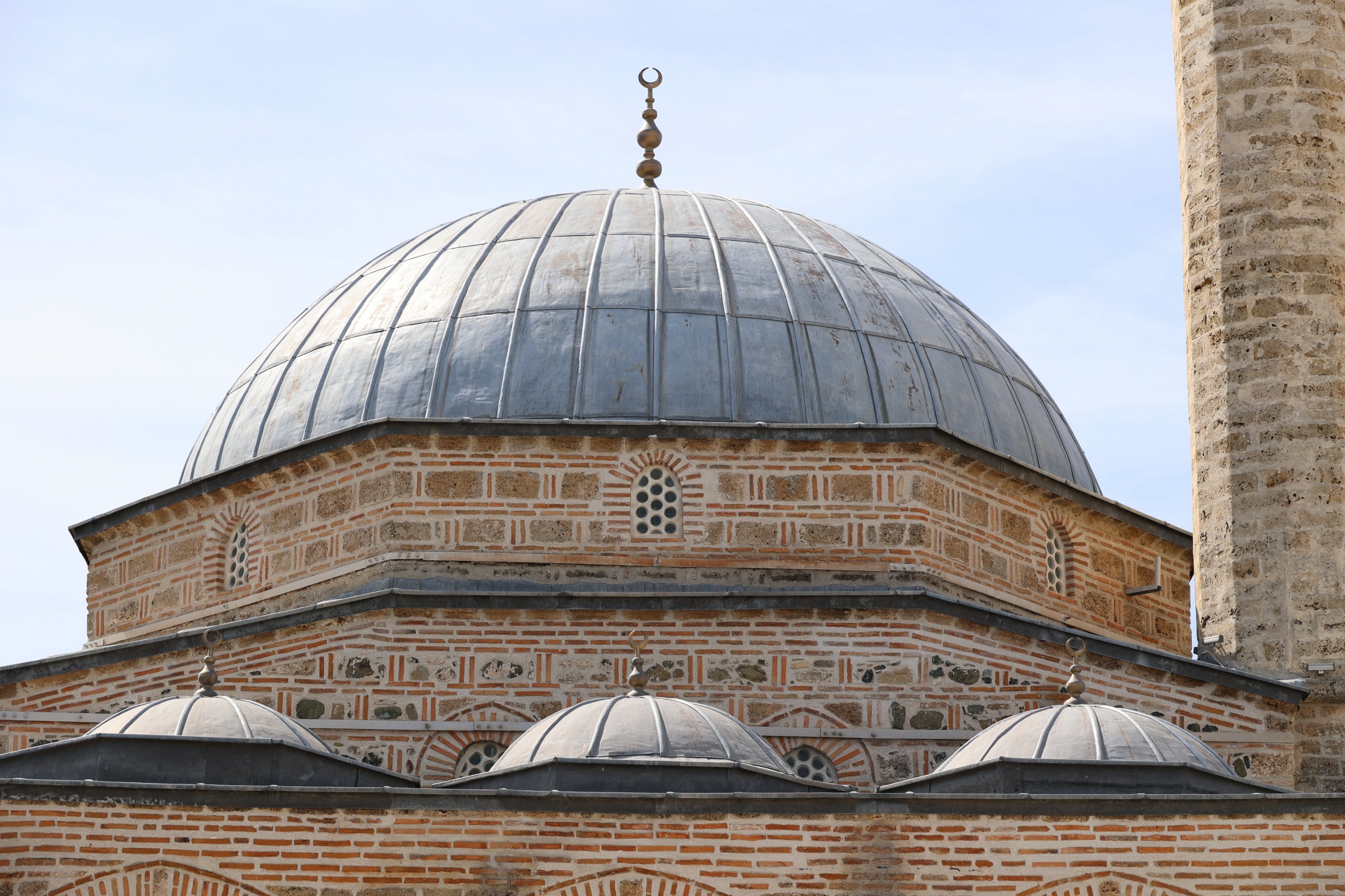
Mosquée Iljaz Bej Mirahori
Premier édifice ottoman classique d'Albanie et plus ancienne mosquée à coupole du pays, érigée vers 1494 à Korçë par Iljaz Bej Mirahori.
Want to discover this destination?
Our local advisors design your tailor-made trip.