The Town of Divjaka
The Town of Divjaka
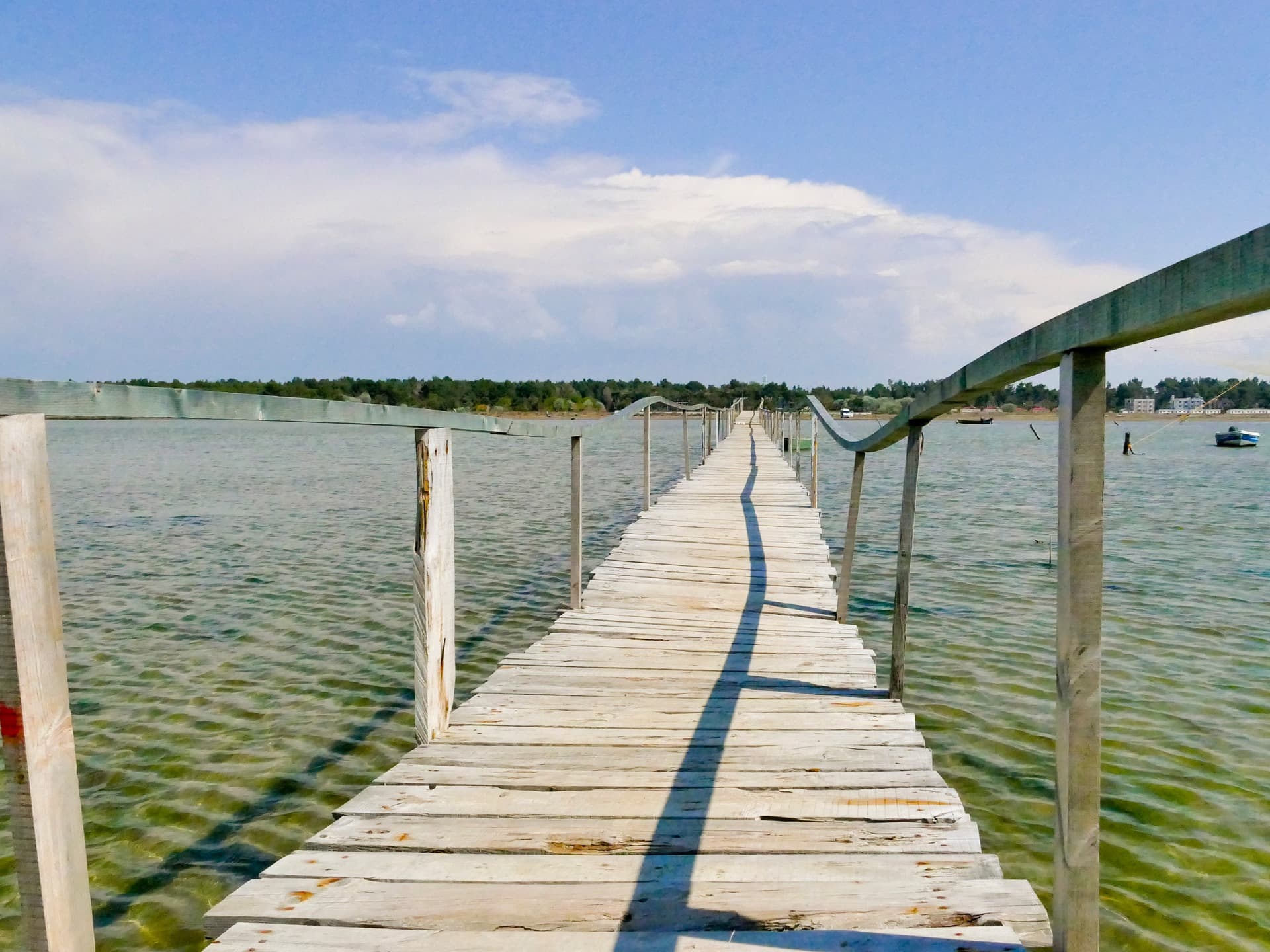
Divjaka, a pristine jewel of the Albanian Adriatic: national park, Karavasta lagoon designated as a Ramsar site, curly pelicans, and 12 km of untamed coastline.
Albanie, a country of diverse and often underappreciated landscapes, is rich with natural treasures still preserved from mass tourism. Among these gems, the small town of Divjaka or Divjakë is located in the south-western region, on the Adriatic coast. It is increasingly drawing the attention of nature lovers and travellers seeking escape and tranquillity. Nestled between agricultural land and Mediterranean shores, Divjaka is primarily known for its Divjaka-Karavasta National Park, one of the most significant in the country. This destination has much to seduce visitors while offering the chance to discover a preserved and authentic facet of Albanie.
History
During the Middle Ages, this region was first occupied by the Byzantines, followed by the Normans, before being integrated into the Ottoman Empire in the 15th century. At that time, Divjaka was a small agricultural town. It depended on the neighbouring locality of Fier. It was only after Albanie's independence in 1912 that Divjaka began to transform into a genuine economic centre for the region.
During the Second World War, this locality was first invaded by Italian forces, then by German troops. It was liberated in 1944 by Albanian communist partisans. After the war, Divjaka became an important industrial town, producing construction materials such as cement and lime. However, with the fall of the communist regime in 1991, it experienced significant economic decline, leading to the closure of many factories.
Over the past few decades, Divjaka has been reborn through tourism, primarily capitalising on the natural wealth of the Divjaka-Karavasta National Park. This return to nature has made it an increasingly popular destination for travellers from around the world.
Climate
Divjaka enjoys a typically Mediterranean climate. The summer season is hot and dry with temperatures reaching 30°C or more. Rainfall is rare. Winter is mild and humid. During this season, temperatures fluctuate between 10°C and 15°C with frequent precipitation. Autumn and spring are seasons with milder temperatures and moderate rainfall.
The Divjaka-Karavasta National Park
Established in 2007, the Divjaka-Karavasta National Park covers an area of over 22,000 hectares. It is home to Albanie's only natural coastal forest composed of centuries-old pine trees and the Karavasta lagoon stretching over 4,000 hectares. The park's unique landscape combines sand dunes and salt marshes, and serves as a refuge for over 250 bird species. Among the avifauna, the following can be noted:
- Curly pelicans
- Storks
- Egrets
- Flamingos
The significance of the park is such that the Karavasta lagoon is protected by international conventions, including the Ramsar Convention for the preservation of wetlands.
How to Get There?
By rental car
The simplest and most flexible option to reach Divjaka is to rent a car in Tirana. Several local and international rental agencies are located in the capital and at Nënë Tereza Airport. The journey to Divjaka takes approximately 1.5 hours by road. To reach your destination, you must take the SH2 motorway towards Durrës, then take the exit for the SH4 road towards Kavaja. Then, continue on the main road following signs indicating "Divjakë".
By bus
There are direct buses from the South Bus Terminal in Tirana (Terminal i Autobusave të Jugut). Although slower than driving, the bus remains an economical option. Departures are frequent, generally several times a day. The journey to Divjaka takes approximately 2 hours. Nevertheless, in case you cannot find direct buses, it is possible to take a bus from Tirana, Durrës, Fier or Berat to the towns of Lushnjë and Kavaja. Then, you must transfer to a local minibus or "furgon" that leads to your destination.
By private transport
For those who prefer more comfort or are planning to travel in a group, it is possible to opt for a taxi or private transport from Tirana, Durrës and other major cities. Many private driver services offer trips to Divjaka.
Divjaka Today
Although Divjaka is still relatively spared from mass tourism, tourist infrastructure is developing progressively. Today, you'll find a range of accommodations ranging from small family-run guesthouses to charming hotels, passing through campsites. The town also has several restaurants and cafés, where you can taste local cuisine.
As for the Divjaka-Karavasta National Park, it is a rare example of an intact ecosystem, where the diversity of natural habitats coexist in a fragile balance. However, this environment is threatened by anthropogenic pressures, particularly intensive agriculture and coastal development projects. Conservation initiatives are in place to preserve this balance, raising awareness among local communities about the importance of this exceptional habitat.
Attractions
Ardenica Monastery
Not far from Divjaka, Ardenica Monastery is a major attraction. This medieval religious site, although its exact founding date is unknown, is a remarkable example of Byzantine architecture. Its main church, dedicated to the "Birth of the Virgin Mary", is particularly renowned for its tuff and white stone walls, as well as its frescoes.
Divjaka Beach
For those seeking to combine relaxation and nature, Divjaka Beach is a true paradise. Although less well-known than other Albanian beaches, it offers a pristine setting, far from the crowds. It stretches for approximately 12 km and allows you to enjoy fine sand and sunshine in complete tranquillity. In summer, visitors can swim or engage in water activities such as kayaking or swimming.
Historical Sites
A trip to the region is an opportunity to discover interesting sites along the way. Indeed, Divjaka is located near a few historical places, namely:
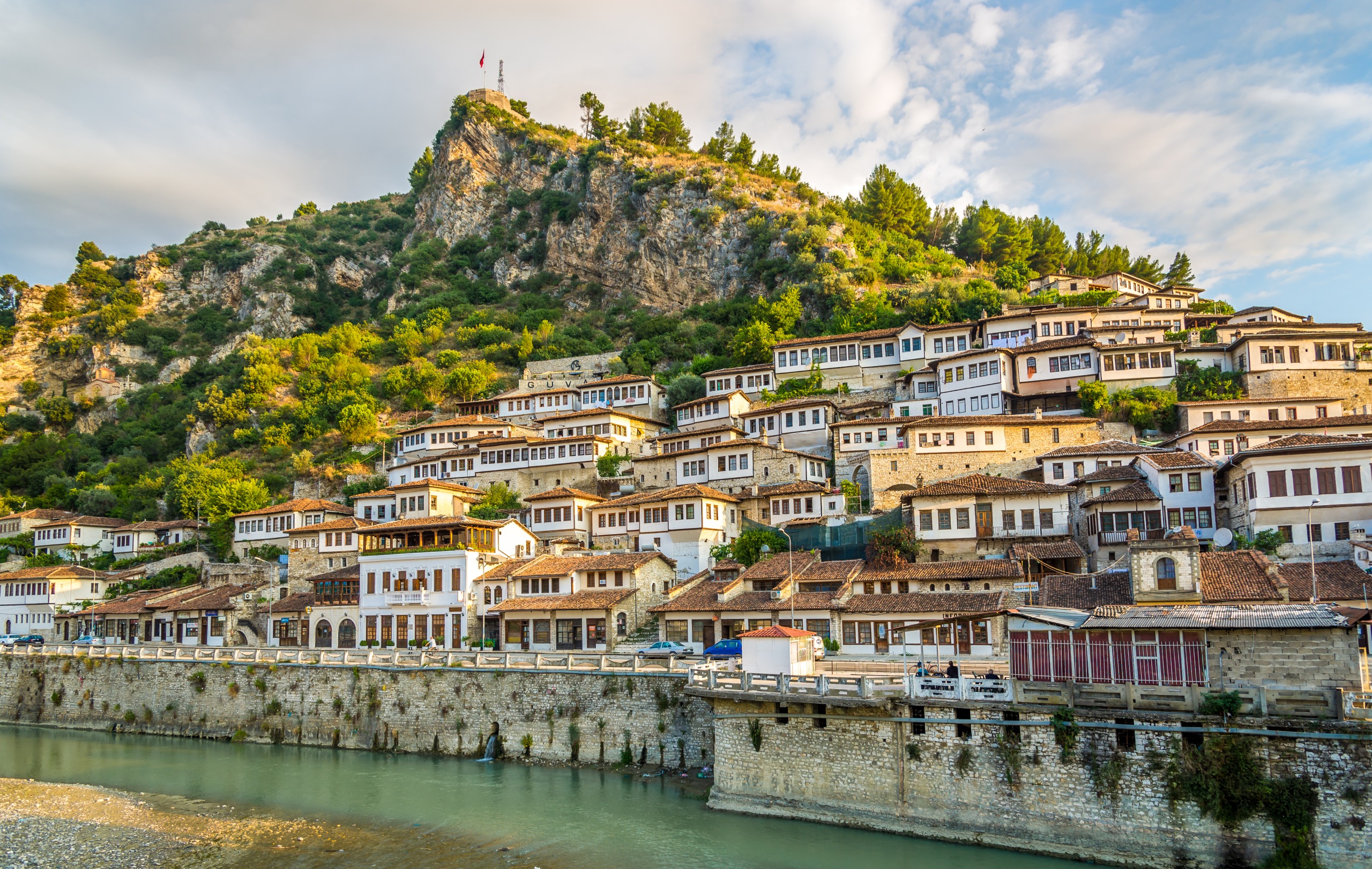
- The historic town of Berat (inscribed on the UNESCO World Heritage list)
- The archaeological site of Apollonia (7 km from Fier).
Activities
Bird Watching
Bird watching is one of the activities that will delight ornithologists at Divjaka. The diversity of species present, particularly around the lagoon, is a sight in itself. For an optimal experience, it is advisable to visit in spring or autumn, when bird migrations are at their peak.
Boat Excursions
Exploring the Karavasta Lagoon by boat is another must-do activity. Excursions are organised to discover the meanders of the lagoon. This is an opportunity to observe up close the colonies of pelicans and other aquatic birds. Boat trips offer a different view of the wild beauty of the region, while respecting protected areas.
Hiking and Picnicking
The Divjaka-Karavasta National Park offers numerous hiking trails, on foot or by bike, suitable for all levels. Whether it's a peaceful excursion among the pines or a longer exploration of the sand dunes, the paths are well-marked. A picnic in the heart of nature, under the shade of the pines, is an excellent way to spend the day with family or friends. Furthermore, for an overall view, it is also possible to climb to the top of the 30-metre observation tower. This turret offers a 360-degree panoramic view of the lagoon and surrounding marshes.
Local Cuisine Tasting
Divjaka is also a town where local gastronomy highlights seafood products. Visitors can take advantage of their stay to taste freshly caught blue crabs, as well as local fish such as sea bass, mullet or eel. Dishes are often prepared with fresh vegetables grown locally.
Want to discover this destination?
Our local advisors design your tailor-made trip.