Marubi National Photography Museum
Marubi National Photography Museum
In Shkodër, the Marubi Museum brings together more than 500,000 negatives signed by three generations of photographers, witnesses to Albania from the 19th century through communism.
In Shkodër, in northwestern Albanie, the Marubi National Photography Museum holds one of the richest photographic archives in the Balkans. Founded by Italian Pietro Marubi in the mid-19th century and continued by his adopted sons, the Marubi dynasty documented Albanian society for over a century, from the final Ottoman decades through Enver Hoxha's communist regime.
Why visit the Marubi Museum
The collection brings together more than 500,000 negatives, making it one of the most complete visual archives in the region. The photographs cover themes rarely assembled elsewhere: portraits of notables and peasants in traditional costume, street scenes in Shkodër, Albanian independence in 1912, the Balkan Wars, World War II, and the communist decades.
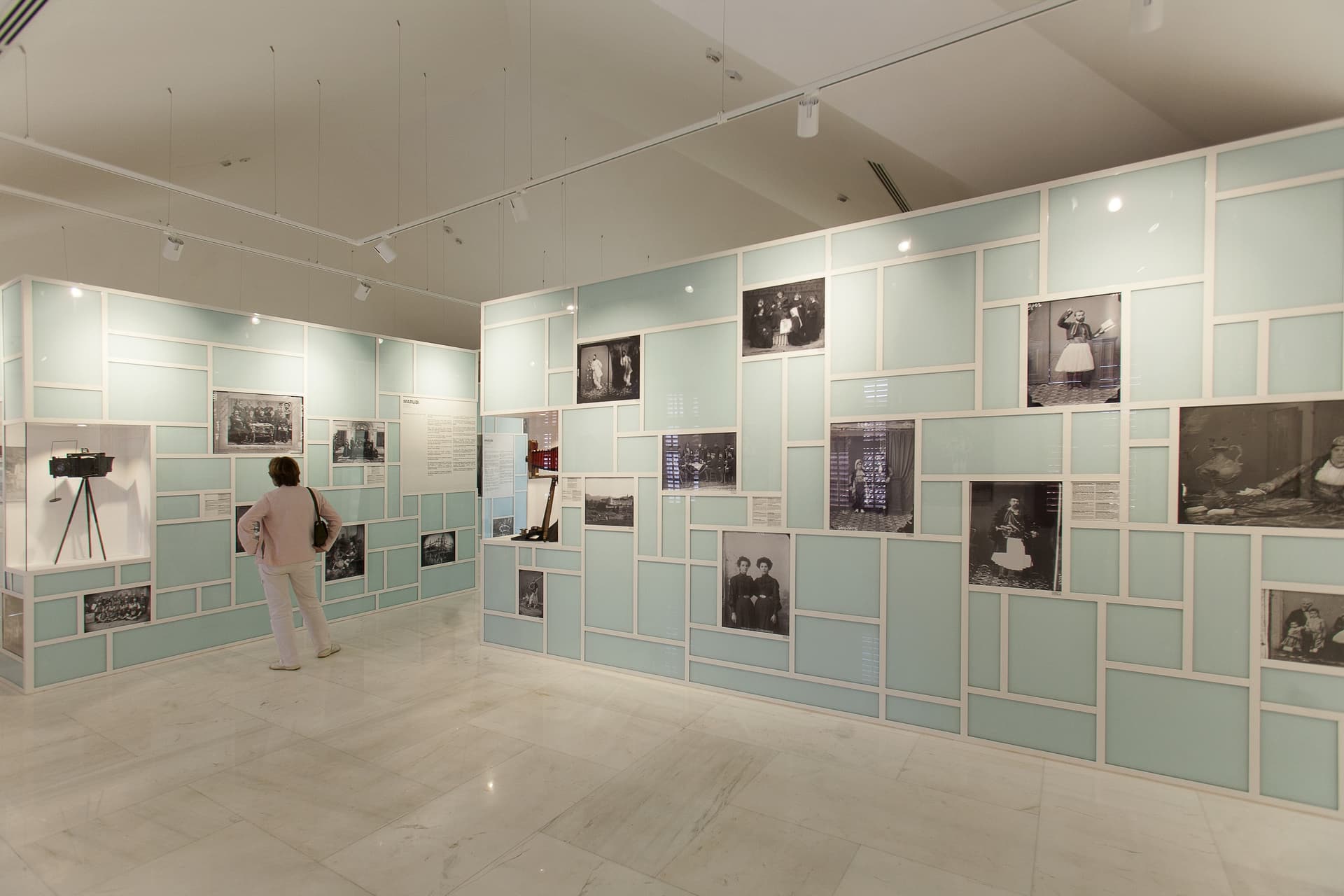
The museum's appeal also lies in its exhibition design. The spaces were reimagined during the 2016 renovation, with understated scenography, carefully lit prints, and interactive displays giving access to roughly 51,000 digitized images. The building itself, originally conceived by artist and architect Kolë Idromeno, is part of the city's architectural heritage.
The history of the Marubi dynasty
Pietro Marubi arrived in Shkodër in 1856, fleeing Italy after his involvement in revolutionary movements. He opened the first Albanian photography studio there, called Dritëshkronja—literally "writing of light"—whose storefront bore the name Foto Marubbi. Without direct descendants, he trained his adopted sons in the craft: Kel Marubi (also known as Mikel Kodhell), his assistant, then Gegë Marubi, Kel's son.
Three generations succeeded one another behind the camera lens. Under the communist regime, when private enterprises were prohibited, Gegë Marubi ceded the entire collection to the state: photographs, negatives, and equipment. The Marubi Photographic Archive was officially established in 1970 as a section of Shkodër's municipal museum. In 2003, it came under the jurisdiction of the Albanian Ministry of Culture, followed by a complete renovation that led to the museum's reopening on May 9, 2016.
What to see in the collections
The exhibition is organized around two levels and two interconnected wings: the historic, listed building and a modern extension housing the National Photography Archive as well as administrative spaces.
Three permanent exhibition rooms
On the first floor, three rooms present the works of the three Marubis following a chronological and thematic path. You will find:
- portraits of religious figures, musicians, and political personalities of the era;
- scenes of daily life in Shkodër and northern Albanie;
- photographs of peasants in regional folk costumes;
- images of revolutionaries, fighters, and street scenes;
- original equipment: lenses, cameras, and studio accessories.
Video lounge and library
On the ground floor, between the two wings, a video lounge and library extend your visit: audio recordings, documentaries, and books explore the history of photography in Albanie, the photographers' biographies, and the techniques used. Interactive screens integrated into the bay windows provide access to the digital archive.
Temporary exhibitions
The ground floor also hosts temporary exhibitions, showcasing a specific collection, a contemporary photographer, or a theme related to Albanian history. The program changes several times per year.
Practical information
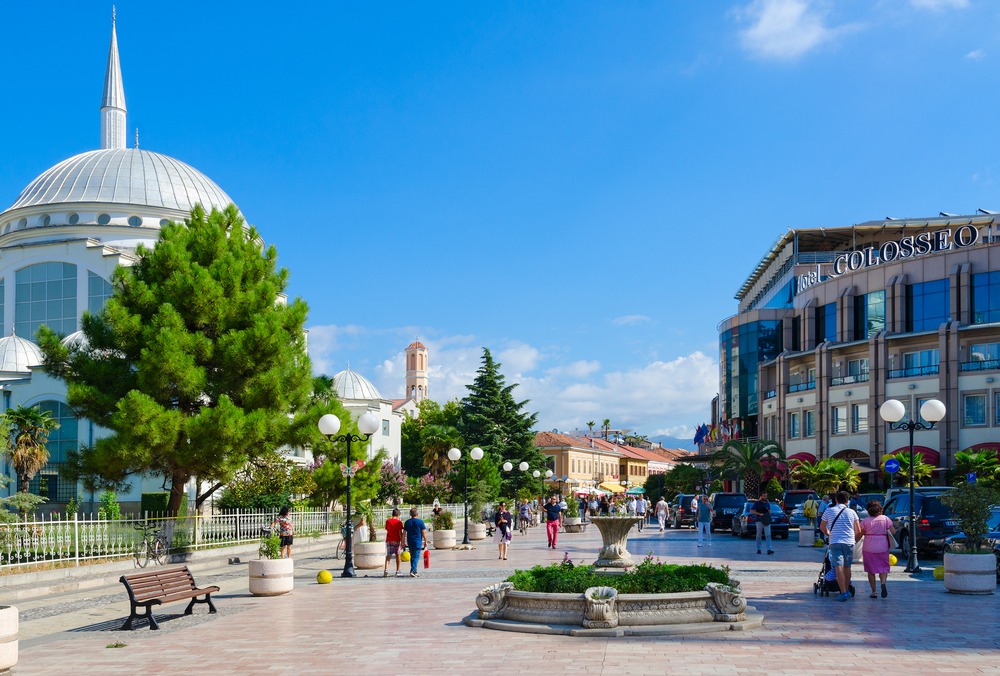
- Location: Shkodër's historic center, near the Kolë Idromeno pedestrian street.
- Duration of visit: allow 1 to 1.5 hours to tour all the rooms, more if you explore the digital archive.
- Hours: open during the day Monday through Sunday, closed on public holidays. Verify current hours before your visit, as they vary by season.
- Admission: moderate entry price, with reductions for students and groups.
- Guided tours: available in English-speaking, Italian, English, and Albanian, by reservation.
- Accessibility: the new wing has facilities; the historic section has some steps.
How to reach the Marubi Museum
Shkodër is located about 90 km north of Tirana. From the capital, several options allow you to reach the city:
- By bus or minibus (furgon): regular departures from Tirana's northern terminal, roughly 2 hours' travel.
- By car: via the SH1 highway, expect 1.5 to 2 hours depending on traffic.
- By shared taxi: faster but more expensive, to be negotiated at departure.
Once in Shkodër, the museum is reachable on foot from most city center hotels. The city is compact and easily explored on foot or by bicycle.
What to see nearby
Shkodër makes a good base for exploring northern Albanie and the Albanian Alps. Several sites complement a cultural visit in the region:
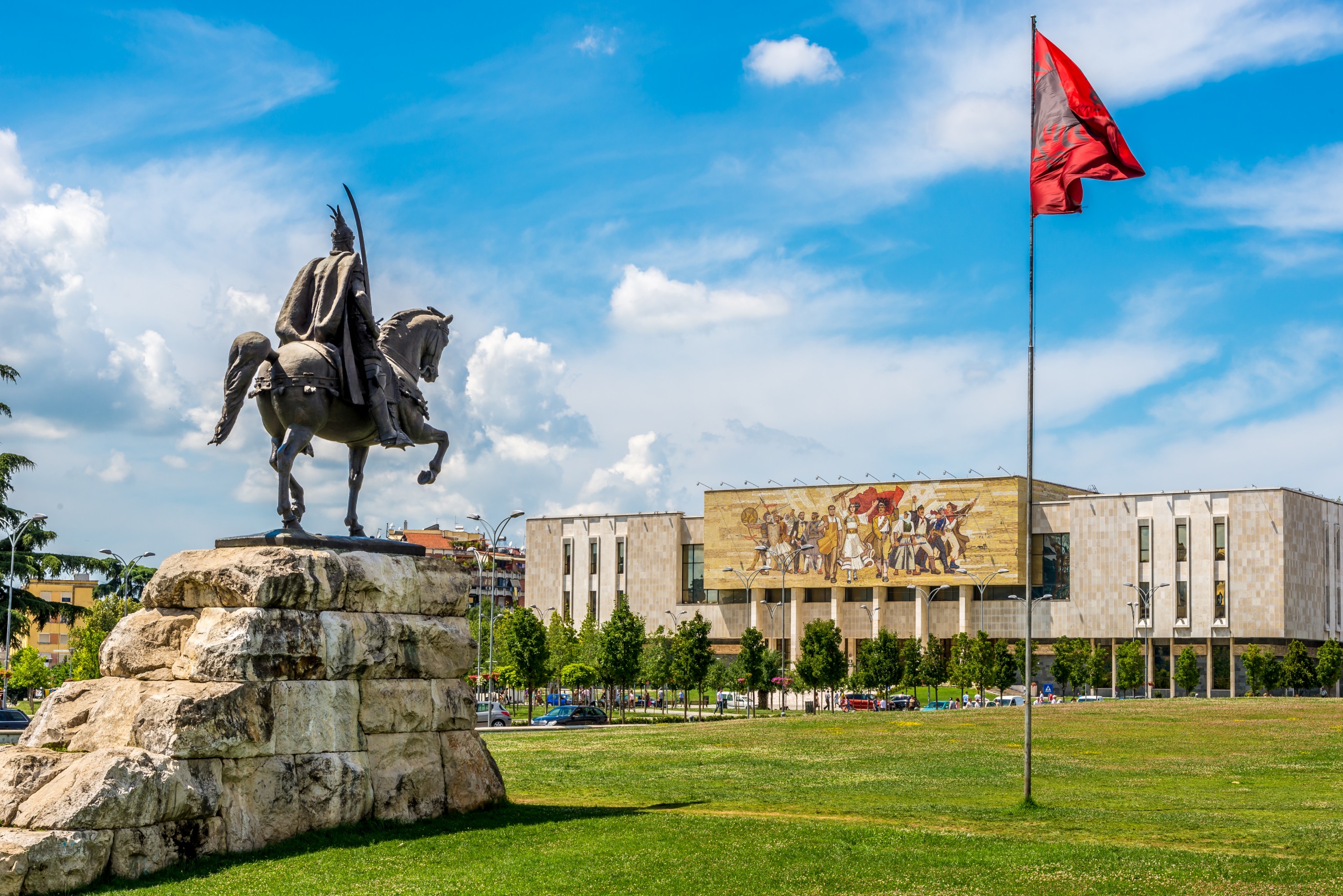
- The National Historical Museum of Tirana, to contextualize the Marubi collection within the country's broader history.
- The Onufri National Museum of Iconography, in Berat, another major stop along Albania's heritage trail.
- The Saint Naum Monastery, near Lake Ohrid, for an understanding of the Balkans' religious heritage.
- The Karaburun Peninsula and the Germenj National Park to extend your stay toward nature.
Frequently asked questions
Frequently asked questions
Allow 1 to 1.5 hours to tour the three permanent rooms and temporary exhibitions. If you consult the 51,000-image digital archive in detail via the interactive screens, plan for 2 hours.
Yes, guided tours are conducted in English-speaking, Italian, English, and Albanian. Prior reservation is advised, especially during peak season.
The collection comprises more than 500,000 negatives, of which approximately 51,000 have been digitized and can be viewed on-site via interactive displays.
An Italian photographer who arrived in Shkodër in 1856, he opened Albania's first photography studio, Dritëshkronja. He then trained his adopted sons Kel and Gegë, who continued the work through three generations.
Yes, the interactive displays and wealth of historical portraits make the visit accessible to teenagers. For younger children, the duration remains manageable.
Planning your trip
The Marubi Museum fits naturally into a cultural itinerary across the country. To build your stay around major heritage and natural landmarks, consult our suggestions for travel in Albanie.
Interested in this visit?
We can include it in your personalised itinerary.