Pristina
Pristina
Young and enchanting capital of Kosovo, Pristina blends Ottoman heritage, recent memory and a thriving cultural scene. Our guide to explore it at your own pace.
Pristina, the capital of Kosovo, is located in the northeastern part of the country. It is a fascinating city that reflects both the complex history of the region and the vibrant energy of a society in full transformation. The political, economic and cultural hub of Kosovo, it offers a unique blend of ancient traditions and modernity. Whether you come to discover its historic monuments or learn more about its culture, Pristina is a captivating city that deserves to be explored.
History
Origins
Pristina has a rich and turbulent history, marked by different civilizations that have left their imprint on the city. This place bears traces of human presence since the Paleolithic age. During antiquity, many Illyrian and Roman peoples settled in this area. In the 4th century B.C., King Bardylis I gathered several tribes from the region and founded the Dardanian kingdom.
Byzantine, Bulgarian and Ottoman influences
After the fall of the Roman Empire, the region came under Byzantine control between the 5th and 9th centuries. Subsequently, it fell into the hands of the Bulgarian Empire. From the end of the 11th century until the 14th century, this area returned to Byzantine rule, then was ceded many times to the Second Bulgarian Empire.
Starting in the 15th century, Pristina was conquered by the Ottoman Empire, which ruled the city for over 500 years. This domination profoundly shaped local culture, architecture and society. Many buildings and monuments from that era are still visible today, notably mosques and hammams.
From the Serbian kingdom to Kosovar independence
In the 19th and 20th centuries, Pristina was integrated into various states, including the Kingdom of Serbia and Yugoslavia. Kosovo was long a contested region, with ethnic tensions between Albanians and Serbs. In 1999, following a conflict marked by NATO intervention, the country came under United Nations administration. On February 17, 2008, Kosovo declared its independence, and Pristina officially became its capital. However, this independence is not yet recognized by all countries, notably Serbia.
Climate
Pristina has a continental climate marked by significant temperature variations throughout the seasons. July is generally the hottest month, and January the coldest. To make the most of the city, the ideal periods to visit are late spring and early autumn, when the climate is milder.
Opened in October 2013, Adem Jashari International Airport in Pristina is located about twenty kilometers from the city center. Upon arrival, visitors can then rent a car, take a bus or a taxi to reach the main urban area. The journey takes approximately 40 minutes.
Pristina today
Pristina is a young and dynamic city with a constantly growing population. The majority of residents are Albanian, but there are also Serbian, Turkish, Bosniak, Roma and other minority communities. Since Kosovo is a multiethnic country, Pristina's diversity is reflected in its cultures, languages and religious practices.
Indeed, Pristina is a crossroads of cultures, influenced by its Illyrian roots, its Ottoman heritage and contemporary Western influences. This fusion is visible in its architecture, festivals, gastronomy and cultural institutions.
Moreover, after World War II, Pristina, once marked by an oriental style, transformed through rapid industrialization and accelerated development. The city thus became modern. Although Kosovo is one of Europe's youngest countries, its economy is growing, and Pristina is its driving force. The service sector, particularly education, healthcare and information technology, plays a crucial role in the city's economic development.
Furthermore, the Kosovo government is actively seeking to attract foreign investment, particularly in the infrastructure and energy sectors. Tourism, although relatively recent, is a rapidly developing field. Visitors are increasingly coming to discover Pristina's rich history and dynamic culture.
On foot
Pristina is a compact city, and several of its main attractions are located close to one another. Walking around is an excellent way to discover the heart of the city, particularly the historic center.
By bus
Pristina has a public bus network serving the city and its surroundings. These public transportation options are an affordable and convenient way to get around and reach neighborhoods further from downtown.
By taxi
Taxis are widely available in Pristina and are a convenient mode of transportation, especially if you're in a hurry or want to avoid waiting for a bus. It is recommended to check that the meter is activated or to negotiate the fare before departure.
By rental car
Several international and local car rental agencies are present in the city, including at the airport. Driving in Pristina is fairly straightforward, although traffic can be heavy during rush hours.
By bike or electric scooter
For those who enjoy getting around by bike or electric scooter, some rental shops offer them at reasonable prices. These are eco-friendly and enjoyable options, especially during the warmer months.
Attractions
Pristina has several historic monuments and attractions that draw thousands of visitors from around the world each year. Among the must-sees, one can mention:
- Pristina's Imperial Mosque
- The Clock Tower
- The National Museum of Kosovo
- The Emin Gjiku Ethnographic Museum
- The NEWBORN Monument
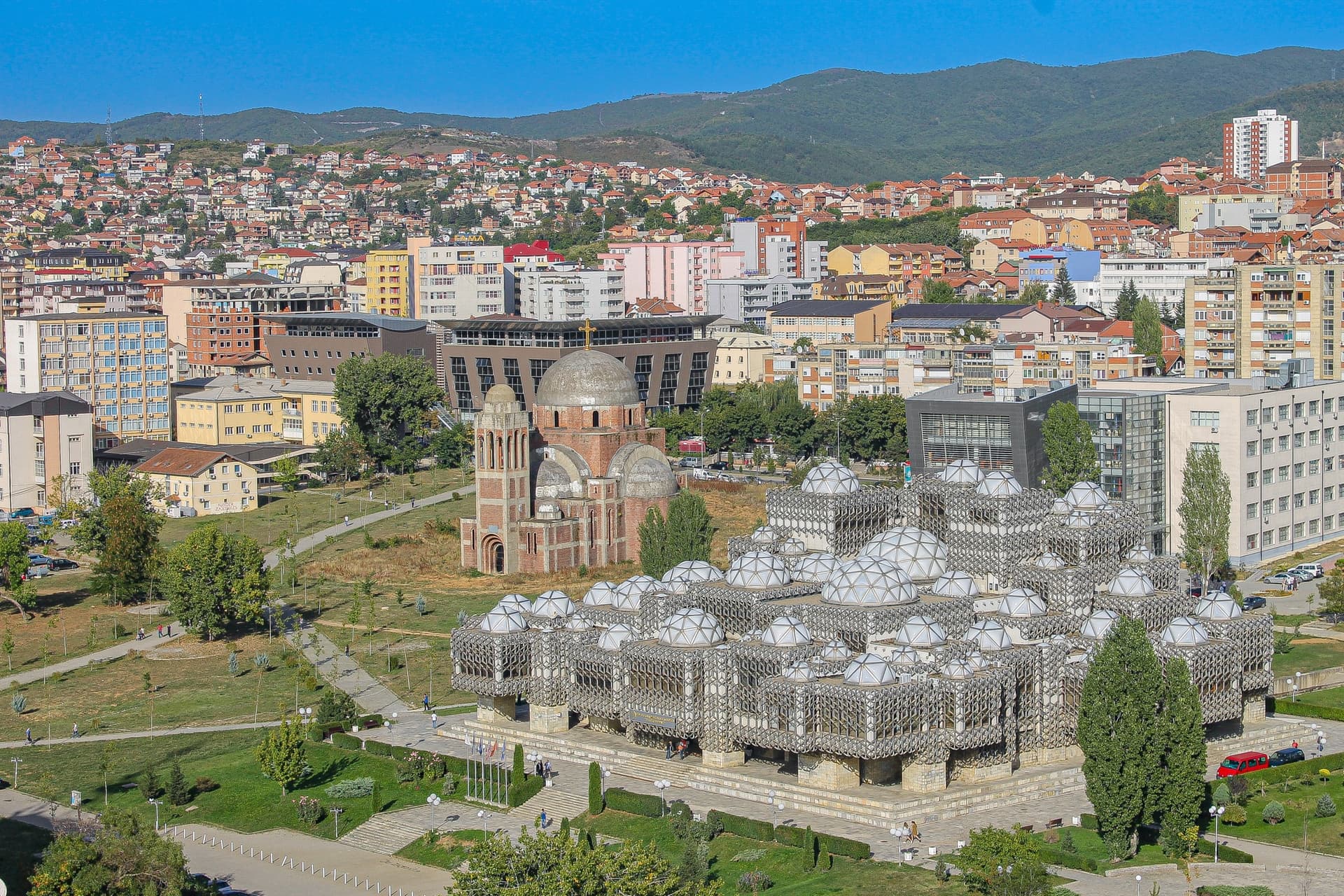
- The National Library of Kosovo
- Gracanica Monastery
- Saint Mother Teresa Cathedral
- Bill Clinton Boulevard and its statue
- The Skanderbeg statue
- The monument to fraternity and unity
- The ancient Roman city of Ulpiana
- Saint Thérèse Cathedral
- The National Art Gallery of Kosovo
- The Gazimestan memorial or commemorative complex
- The Heroinat memorial
- The bear sanctuary
Activities
Apart from visiting historic monuments and cultural facilities, many activities are possible in Pristina. Here are some examples of things to do in this city:
Shopping
For those wishing to take home souvenirs, Pristina has many shops, boutiques and shopping centers. You have a choice between jewelry, crafts, figurines and other interesting items. A tour of the city's bazaar is also an opportunity to buy local products and unique souvenirs.
Nightlife
Pristina is also famous for its nightlife. With many trendy bars, pubs, cafés and clubs, the city offers an eclectic music scene, ranging from rock to electronic music. Young people gather in places like Duplex, Soma Book Station or Spray Club, where evenings often come alive until the early morning.
Cultural scene and festivals
Pristina is also known for its vibrant cultural scene, particularly in the fields of cinema, music and visual arts. The city hosts several annual festivals each year, such as the Pristina International Film Festival (Prifest) in July, which attracts filmmakers and film lovers from around the world. Additionally, the International Jazz Festival in November and the City Marathon in May also attract considerable interest.
Gastronomy
Food enthusiasts will not want to miss the succulent flavors of the Balkans. Pristina's regional cuisine is a fusion of Serbian, Albanian and Turkish influences. A stop at local restaurants and cafés is an opportunity to taste traditional Kosovar dishes such as pite and flija. Desserts are equally delicious, such as tufahije, baklava and halva. Drinking some boza, a traditional carbonated beverage made from corn, is ideal for savoring these delights. Moreover, for those who have the opportunity to visit the monasteries, do not hesitate to taste local wines. The monks produce them from grapes grown in their vineyards. Visitors also have the opportunity to purchase other locally made products in the monasteries, such as tea, rakija brandy or honey.
Want to discover this destination?
Our local advisors design your tailor-made trip.