Peja
Peja
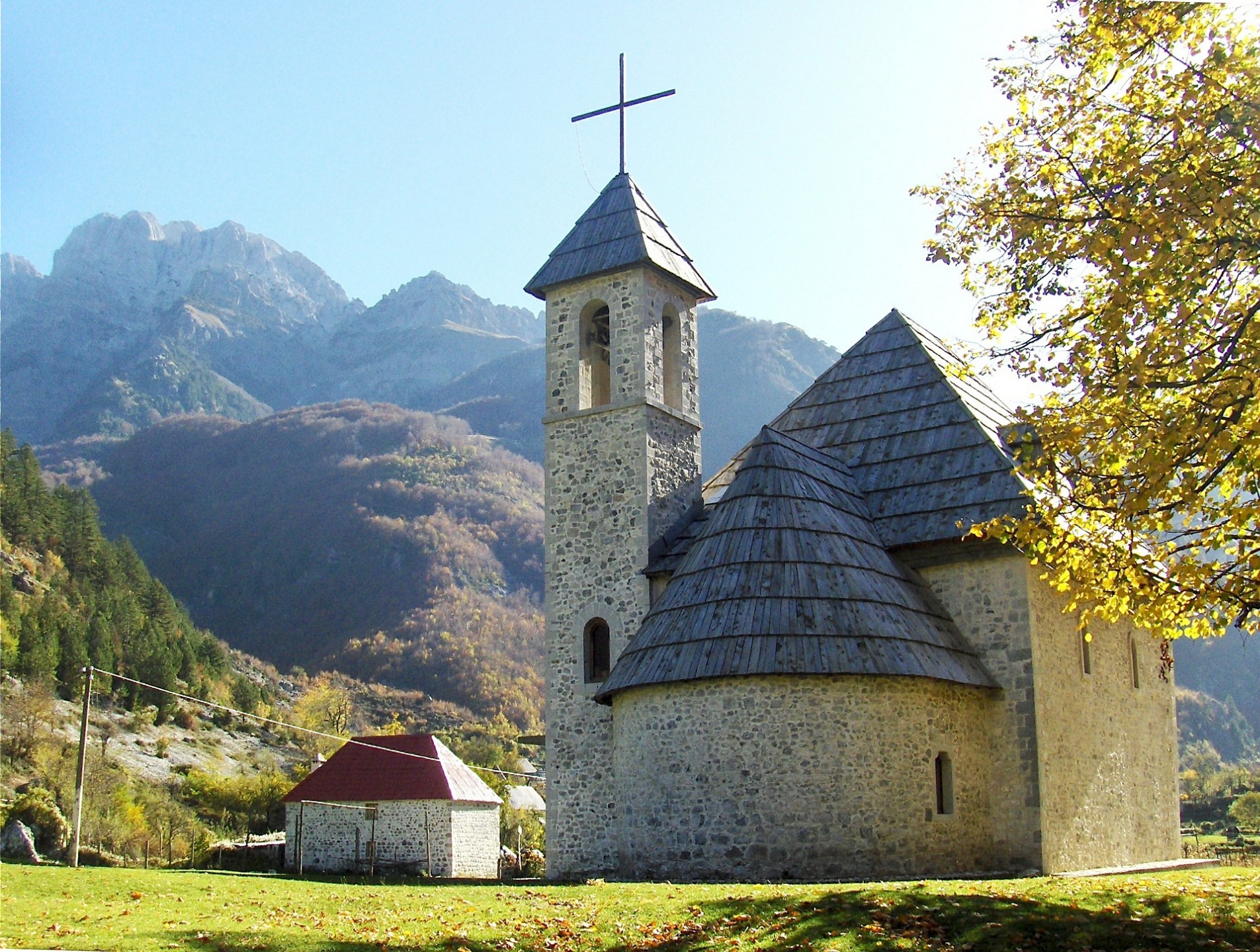
UNESCO Patriarchate, Rugova Canyon and the Accursed Mountains: Peja brings together Kosovo's finest treasures, blending Orthodox heritage with stunning wilderness.
Nestled at the foot of the majestic Prokletije Mountains (Bjeshket e Nemuna in Albanian), Peja—also known as Peć in Serbian—stands as one of Kosovo's most captivating destinations. With its layered history, vibrant culture, and breathtaking landscapes, this city draws visitors seeking authenticity and natural beauty in equal measure.
History
Peja's identity has been forged through domination by countless powers across the centuries. The city rose from Roman vestiges, later inhabited from the 6th century onward by Slavic, Byzantine, and Bulgarian communities migrating southward.
During the medieval period, Peja was incorporated into the Serbian Kingdom around the 12th century—an era marked by the flourishing of churches and monasteries. Between 1253 and 1766, it became a crucial religious center, serving as the seat of the Serbian Orthodox Church and playing a vital role in preserving Serbian cultural identity.
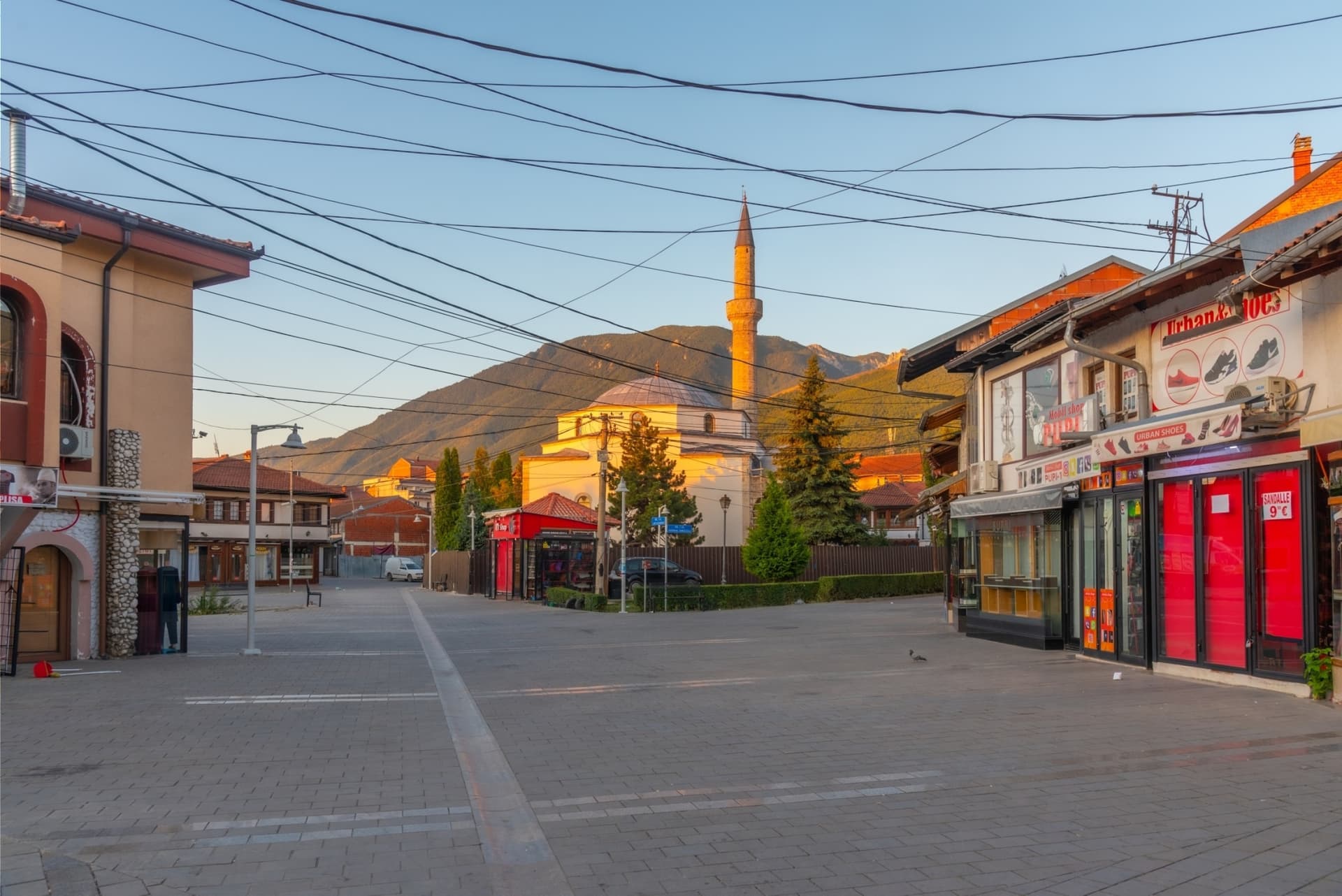
Later, thanks to its strategic position on the Peć Bistrica river (Bistrica e Pejës in Albanian, Lumbardhi i Pejës in regional dialect), Peja fell to Ottoman conquest in the 15th century, when it was known by the Turkish name Ipek. Ottoman rule left its mark with mosques and narrow, cobblestone streets that still characterize the old town.
Yet Peja's late 20th-century history is also shadowed by conflict, particularly during:
- The two world wars
- The Balkan wars
- NATO aerial bombardments
- Ethnic conflicts
- The struggle for independence
These upheavals deeply affected the population and damaged much of the city's infrastructure and heritage. Nevertheless, peace has gradually returned to the region.
Climate
The ideal time to visit Peja is during spring and summer, when the weather is pleasant and landscapes are at their most vibrant. Temperatures typically range from 20 to 30°C, perfect for outdoor pursuits. Autumn, too, offers its rewards—watch the mountain colors transform in real time.
By Air
The nearest airport to Peja is Pristina International Airport, approximately 70 kilometers to the east.
By Taxi
Taxis are readily available from Pristina Airport for the journey to Peja.
By Bus
Peja benefits from good road connections and public transport links, making it easily accessible from other Kosovo cities including Pristina, Prizren, Gjakova, and Mitrovica.
By Train
The city has a railway station, though service is limited. A recently reinstated route connects Pristina and Peja, taking roughly 2 hours. Departures from Pristina are at 7:50 AM and 4:30 PM.
By Car
For those wanting to explore the surrounding region, car rentals and guided excursions are popular options.
Language
Albanian is Kosovo's official language, though many residents also speak Serbian, and English is widely understood, especially among younger generations. Learning a few basic Albanian phrases will enhance your interactions with locals.
Attractions
Peć Patriarchate Monastery
Designated a UNESCO World Heritage Site, the Peć Patriarchate Monastery is arguably Peja's premier attraction. Built between 1253 and 1263, this landmark served as the seat of the Serbian Patriarchate and ranks among the Balkans' most significant Orthodox monasteries. Despite multiple destructions and restorations, it now comprises:
- Four magnificently frescoed churches dedicated respectively to Saint Nicholas, the Holy Virgin Hogedetria, Saint Demetrius, and the Synaxis of the Holy Apostles
- A chapel honoring the Synaxis of the Holy Serbian Saints (sometimes closed to visitors)
- A library
- Several tombs of Serbian patriarchs and archbishops
- A treasury
In the monastery courtyard stands an 800-year-old mulberry tree.
When visiting this sacred site, it's essential to respect local customs. Dress appropriately and conduct yourself reverently within this place of worship.
The Old Town
Peja's historic center, with its cobblestone lanes and traditional architecture, deserves devoted attention. The old town radiates charm, lined with cafés, restaurants, and artisanal shops. It's the perfect place to savor traditional dishes such as flija (a layered crepe) and byrek (savory pastry), all while soaking in the local atmosphere.
Rugova Mountains
The Rugova Mountains begin roughly 2 to 5 kilometers from Peja's city center and are celebrated for their majestic vistas. This zone is equally renowned for its biodiversity and diverse outdoor activities. Known locally as Rugova Gorge or Gryka e Rugoves, its spectacular canyon stretches approximately 23 kilometers. The gorge functions as the gateway to the Accursed Mountains National Park.
Mirusha and Drini i Bradhë Waterfalls
In the vicinity of Peja lie the celebrated Mirusha and Drini i Bradhë waterfalls—stunning natural sites. With crystalline cascades and natural pools, they offer ideal spots for relaxation and nature appreciation. The waterfalls are surrounded by hiking trails and picnic areas, making them favorites among families, outdoor enthusiasts, and photographers alike.
Peja Museum
The Peja Regional Ethnological Museum plays an important role in preserving and promoting the cultural heritage of the Dukagjin region. Various exhibitions are displayed across three halls, including:
- Historical photographs
- Archaeological objects
- Traditional musical instruments
- Illyrian craftsmanship
- Textiles
- Traditional costumes
Other Attractions Worth Exploring
Several additional historical sites, monuments, and interesting locations near Peja merit discovery:
- Karagaq Park
- Visoki Dečani Monastery (Deçan)
- Budisavci Monastery
- Goraždevac Village
- Banja e Pejës (Peja Hot Springs)
Activities
Numerous outdoor activities draw visitors to the region surrounding Peja, including:
- Rock climbing
- Zip-lining
- Cycling
- Paragliding
- Hiking
- Via Ferrata
Peja's nightlife is vibrant and brimming with entertainment and pleasure. Bars throughout the city offer festive and inviting atmospheres—a perfect opportunity to sample the renowned Birra Peja (Peja Beer). Gastronomy enthusiasts should venture into local restaurants serving traditional and international menus.
Worth noting: winter transforms Peja, with snow blanketing the city, particularly the mountainous Rugova region. This opens possibilities for skiing, snowshoeing, and ski touring.
Several cultural festivals take place in Peja, including:
- Anibar, the annual animation film festival (held each August), featuring screenings across various venues and nightly concerts by local artists
- Shqip Short Film Festival, held the last week of June each year, attracting filmmakers from around the globe
Want to discover this destination?
Our local advisors design your tailor-made trip.