Onufri National Museum of Iconography
Onufri National Museum of Iconography
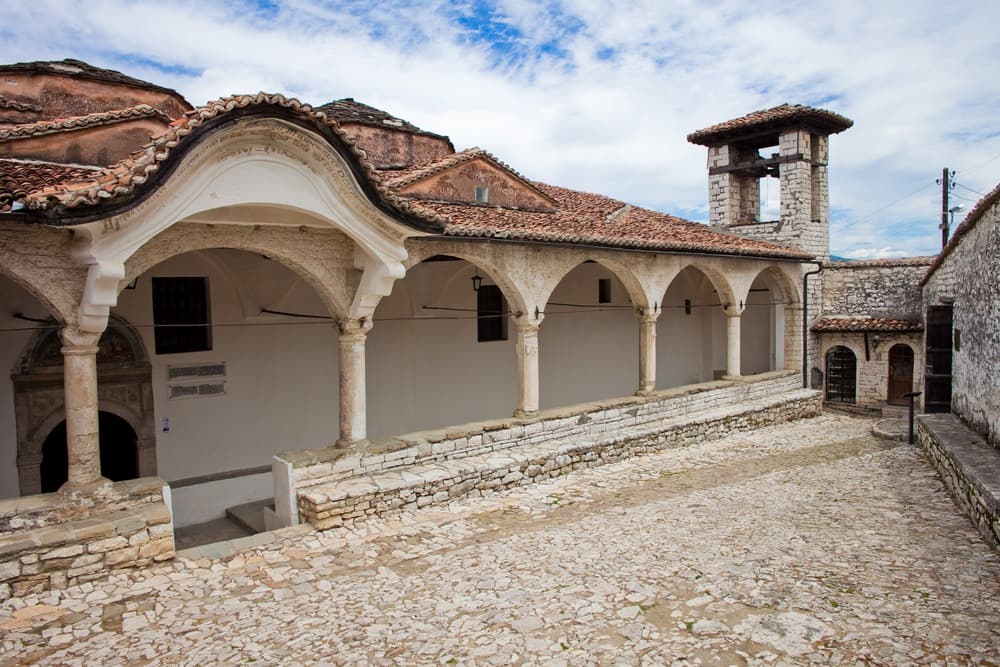
Located in the Church of the Dormition at the heart of Berat Castle, the Onufri Museum brings together 200 icons and the Berat Codices inscribed on the UNESCO Memory of the World register.
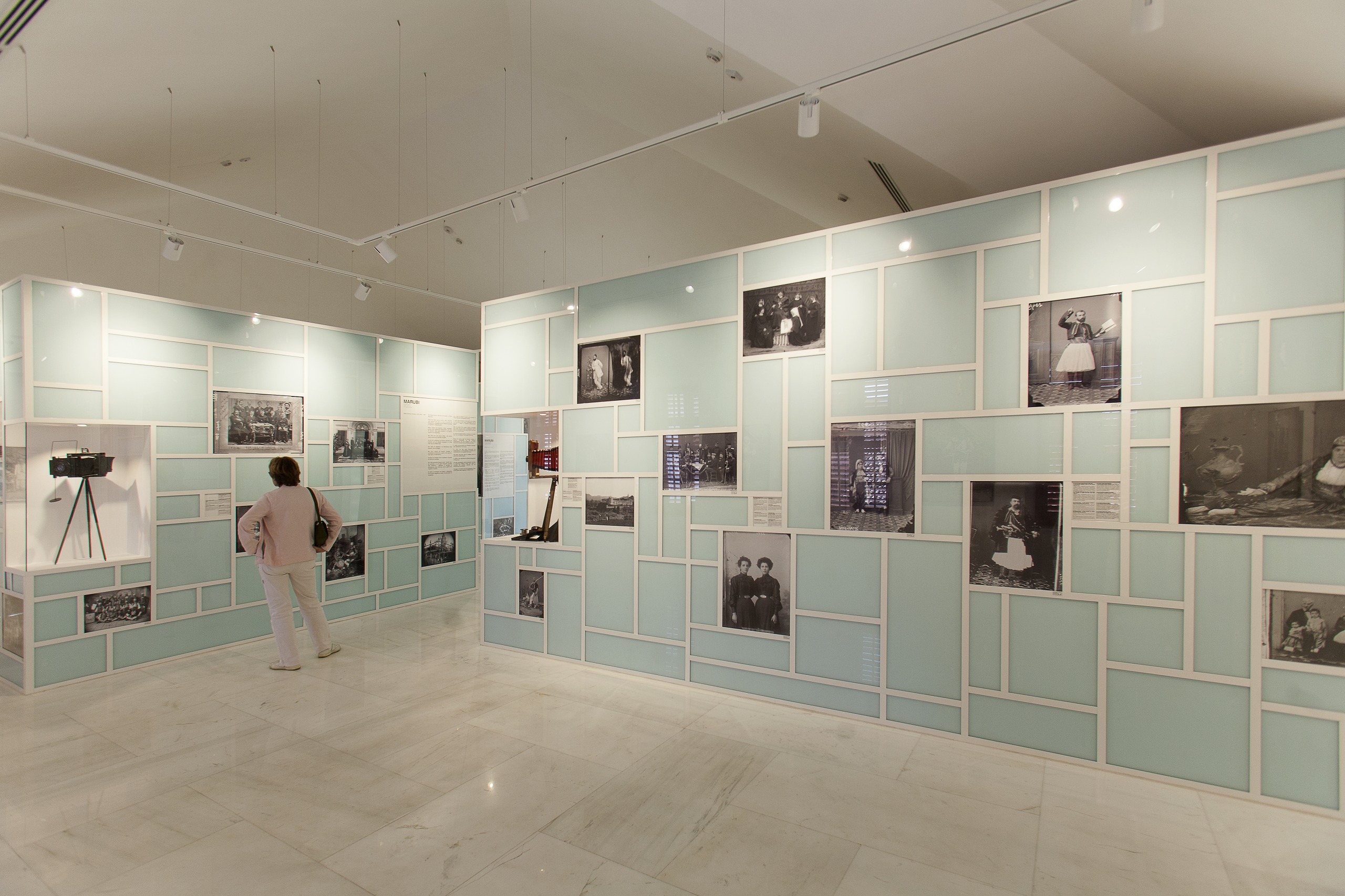
The Onufri National Museum of Iconography occupies the Church of the Dormition of Saint Mary, within the walls of Berat Castle. Its collection of 200 pieces—icons, liturgical objects, wood sculptures—traces five centuries of Albanian religious art, from the 14th century through the 1930s.
Why visit this museum
The museum concentrates the essence of Albania's post-Byzantine iconographic heritage. It bears the name of Onufri, a 16th-century Albanian painter and iconographer whose works mark a turning point in Balkan religious art through their palette of reds and distinctive rendering of faces. Beyond the icons, two major manuscripts—the Berat Codices—are inscribed on UNESCO's Memory of the World register. The visit combines sacred art, post-Byzantine architecture, and religious history, all within an exceptional setting: Berat's inhabited castle, designated a UNESCO World Heritage site.
History of the museum and church
The museum was established in 1986 in the Church of the Dormition of Saint Mary, at the heart of Berat Castle. The cathedral is believed to have been built in 1797 on the site of a former Byzantine church, according to inscriptions visible within the building. The structure exemplifies the post-Byzantine architecture typical of the region, with its basilical floor plan and carved decorations.
The museum's name honors Onufri, a 16th-century Albanian artist regarded as one of the great masters of post-Byzantine iconography. The institution is managed by the Berat Museum Center, under the oversight of Albania's Ministry of Culture, which also ensures the conservation and archival preservation of the collections.
What to see at the museum
The collection brings together 200 objects drawn primarily from Berat's monasteries and churches. The oldest pieces date to the 14th century, with the collection spanning each subsequent century through the 20th. Alongside numerous anonymous painters, several major iconographers are represented: Onufri and his son Nikolla, David Selenica, Adam Kristo, Onufër Qiprioti, Kostandin Shpataraku, as well as artists from the Çetiri family (Nikolla, Gjergji, Naumi, Joani, Ndini, Gjergji i riu). The liturgical objects were crafted by Albanian jewelers over the decades.
The iconostasis and relics
The "The Dormition of Saint Mary" iconostasis, completed in 1807, stands as one of the museum's major pieces. Its decoration merges Baroque principles characteristic of the Balkans in the 18th and 19th centuries with motifs rooted in Byzantine tradition. The church's wooden sculptures date to the early 19th century and are the work of Stefan Barka of Misras d'Opar and Naum Ngjela of Lavdari d'Opar.
Near the iconostasis, a wooden shrine preserves the relics of Saint Gorazdi and Saint Angjellari, disciples of Saint Methodius and Saint Cyril, who spread the Gospel in the 9th and 10th centuries.
The Berat Codices
The two manuscripts on display are inscribed on UNESCO's Memory of the World register:
- Codex Purpureus Beratinus (6th century)—one of the oldest known Gospel manuscripts, written in silver letters on purple parchment
- Codex Aureus Anthimi (9th century)—a manuscript inscribed in gold ink
Icons worth seeing first
- "Evangelization" (14th century, anonymous)—the museum's oldest piece, from the castle's Evangelical Church
- "The Appearance of Christ at the Temple" by Onufri (16th century)—tempera on walnut panels, from the Church of Holy Trinity
- "Saint Mary with Christ" by Onufri—a Hodegetria-type work, representative of the master's style
- "Last Supper" or "Mystical Supper" (late 18th century, anonymous)
- "Saint Demetrius" by Kostandin Shpataraku (18th century)—a modern treatment of color and contrast
- "Source of Life" (18th century, anonymous)—combining references to two faiths, it illustrates religious coexistence in Albania
- "The Ascension of the Prophet Elijah" by Agathangjel Mbrica (1929)—an example of the gold-beating technique
Practical information
The museum is located within Berat Castle (Kala), on the hillside overlooking the city. Access is on foot from the castle's main entrance, via a stone-paved ascent of roughly fifteen minutes from downtown.
- Suggested visit duration: allow 1 to 1.5 hours to explore the collection
- Opening hours: open year-round, with extended hours during high season (May through mid-October) and more limited hours in low season; partial closure on weekday mornings in winter—verify current hours on-site or with the Berat Museum Center
- Admission fee: moderate entry price, separate ticket from castle entrance
- Photography: typically not permitted inside to preserve pigments
When to visit
The museum is accessible year-round. May–June and September–October offer a good balance of pleasant weather and manageable crowds. July and August draw the bulk of tourism to Berat; early morning visits are advisable then. Winter is possible: the castle sees fewer visitors, though some hours may be reduced.
How to get there
Berat is connected to the rest of the country via roads SH72 and SH73, which link the city to Fier and the Adriatic coast. From Tirana, allow approximately 2 hours by car. Daily buses and minibuses operate between Tirana, Durrës, Vlora, and Berat. Once in town, ascent to the castle is on foot or by taxi.
Nearby
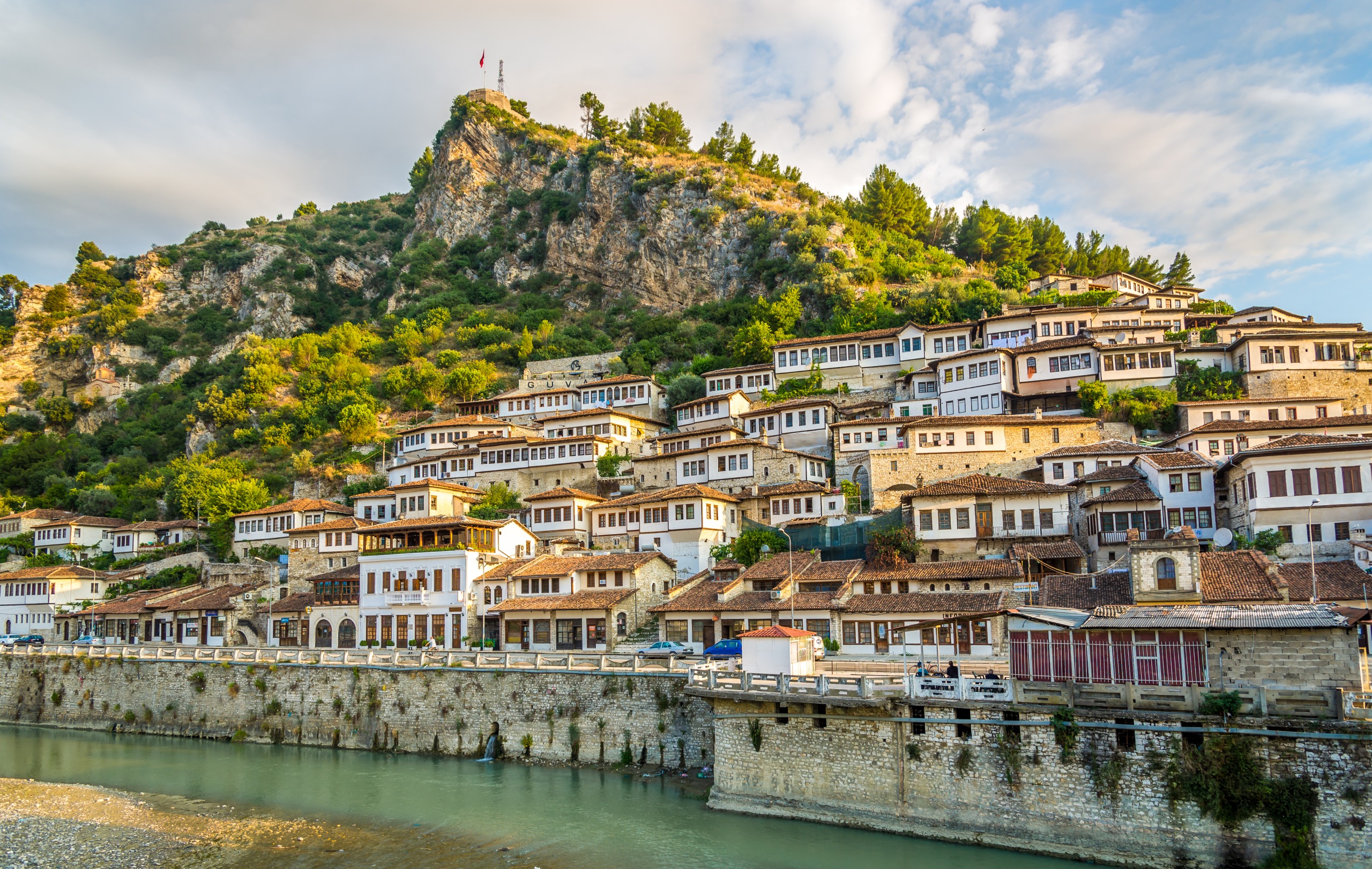
Berat Castle itself warrants thorough exploration: it is one of Europe's few still-inhabited fortresses, with its narrow streets, Byzantine churches, and sweeping views over the Osum Valley. At the foot of the hill, the neighborhoods of Mangalem and Gorica give Berat its nickname, the "city of a thousand windows."
The Berat Ethnographic Museum, also managed by the Berat Museum Center, occupies a traditional 18th-century house in the Mangalem quarter. Set on two floors with a loggia, it reconstructs the interior of an Albanian urban home: vestibule, sitting room, kitchen, and dining area.
To further explore Albania's heritage, several sites complement the visit:
- National Historical Museum of Tirana—comprehensive overview of Albanian history
- Archaeology Museum of Korçë—ancient and prehistoric collections
- Monastery of Saint Naum—another major site of Orthodox religious art
Frequently asked questions
Frequently asked questions
Organize your trip
To incorporate the Onufri Museum and Berat Castle into a comprehensive Albania itinerary, consult our custom-made circuits in Albania. Our local advisors can craft a route combining Byzantine heritage, Ottoman towns, and the Adriatic coast.
Interested in this visit?
We can include it in your personalised itinerary.