Lepushë
Lepushë
Lëpushë, a high-altitude village in Kelmend in northern Albanie: hiking in the Albanian Alps, Logu i Bjeshkës festival in August, and vibrant mountain culture.
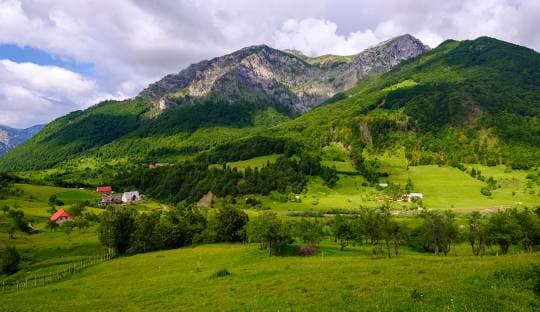
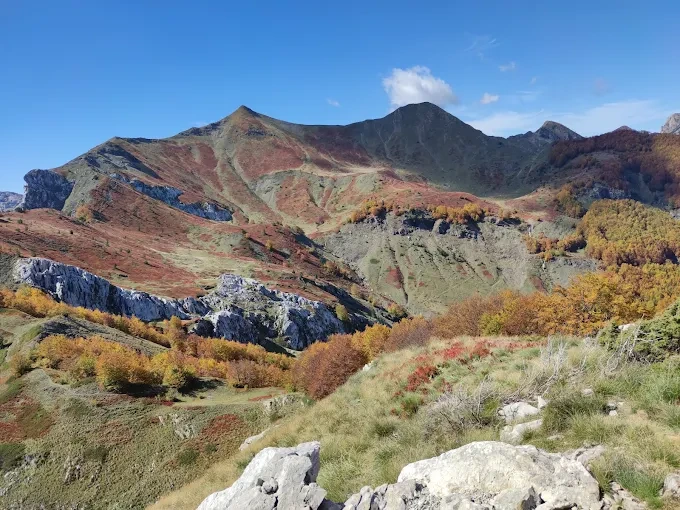
Lëpushë is a mountain village in Shkodra county, in the Kelmend region of northern Albanie. Located immediately adjacent to the Montenegrin border, it sits on a high-altitude plateau surrounded by peaks exceeding 2,000 metres and forests of beech and conifers. The local economy still rests on livestock farming, potato cultivation, and artisanal woodworking—a legacy of recent settlement that has not erased traditional practices.
Why visit Lëpushë
Lëpushë appeals to three types of travelers: those seeking a hiking base in the Albanian Alps away from the crowded trails of Theth and Valbona, lovers of sparsely developed alpine landscapes, and those curious about the living Balkan mountain cultures. The village retains a strong agricultural identity, with a few guesthouses run by local families.
The Logu i Bjeshkës festival, held in August, draws visitors each year to witness traditional costume contests, sporting competitions, and a market of Kelmend products. It is the event that has brought the region into wider recognition.
Village history
Lëpushë was first inhabited in the early 20th century by families from the neighboring villages of Vukli and Nikçi. Settlement here was therefore late compared to other Kelmend localities. After World War II, the hamlet numbered only 18 households. The population grew slowly during the socialist period, then more noticeably after 1990, reaching 495 inhabitants in 1998 according to available records.
The Lëpushë pass, a crossing point between Kelmend valleys, is celebrated annually in honor of Saint Prende, gathering the local community. This religious festival, rooted in the Catholic tradition of the northern mountains, remains a strong identity marker.
What to see and do
Hiking and trekking
The village serves as a base for several routes:
- High-altitude trails to peaks exceeding 2,000 metres surrounding the plateau
- Walking paths to neighboring valleys of Theth and Valbona, accessible to experienced hikers over several days
- Shorter loops through beech and conifer forests, doable as half-day walks
Winter activities
Snowfall at Lëpushë can reach 4 metres in winter. The village has no alpine ski infrastructure, but natural slopes suit ski touring and snowshoeing. Road access becomes more challenging and certain sections may close.
Forests and environment
The slopes around the village are covered in beech and conifer forests. The biodiversity of Kelmend has been studied extensively, but the precise species list varies by season and area; a local guide remains your best resource for a nature outing.
Logu i Bjeshkës festival
Held in August, this festival brings together folk music, traditional costume beauty contests, sporting displays, and stalls of local products. It is the best time to experience the living culture of Kelmend in a single visit.
Specialties to taste
- Artisanal dairy products (fresh and aged cheeses from local herds)
- Plateau potatoes, the foundation of many mountain dishes
- Traditional cuisine served in village guesthouses
When to visit
The season markedly shapes your experience:
- May to September: most accessible period, mild temperatures at altitude, trails open. August coincides with the Logu i Bjeshkës festival.
- October and November: autumn colors on the forests, light crowds, first snows possible from mid-November.
- December to March: significant snowfall, road access sometimes interrupted, attractive for ski touring but requires adapted logistics.
Practical information
- Time needed: allow one day for a simple visit, two to three days if planning hiking and the festival
- Accommodation: guesthouses run by local families, limited capacity—booking advised in high season
- Budget: moderate rates, payment often cash only
- Required level: no preparation needed for the village itself, reasonable fitness for high-altitude hiking
How to get there
The logical starting point is Shkodra, roughly 75 km away. The route passes through Koplik then climbs toward Tamarë and Vermosh, with winding mountain sections.
- Personal vehicle or rental: most flexible option, expect 2.5 to 3 hours from Shkodra depending on conditions. A vehicle with decent ground clearance is recommended.
- Shared transport: seasonal minibuses (vans) connect Shkodra to Vermosh and Lëpushë, chiefly in summer. Frequencies vary—inquire locally the evening before.
- Taxi: a private transfer from Shkodra is possible if traveling in a group.
To see in the region
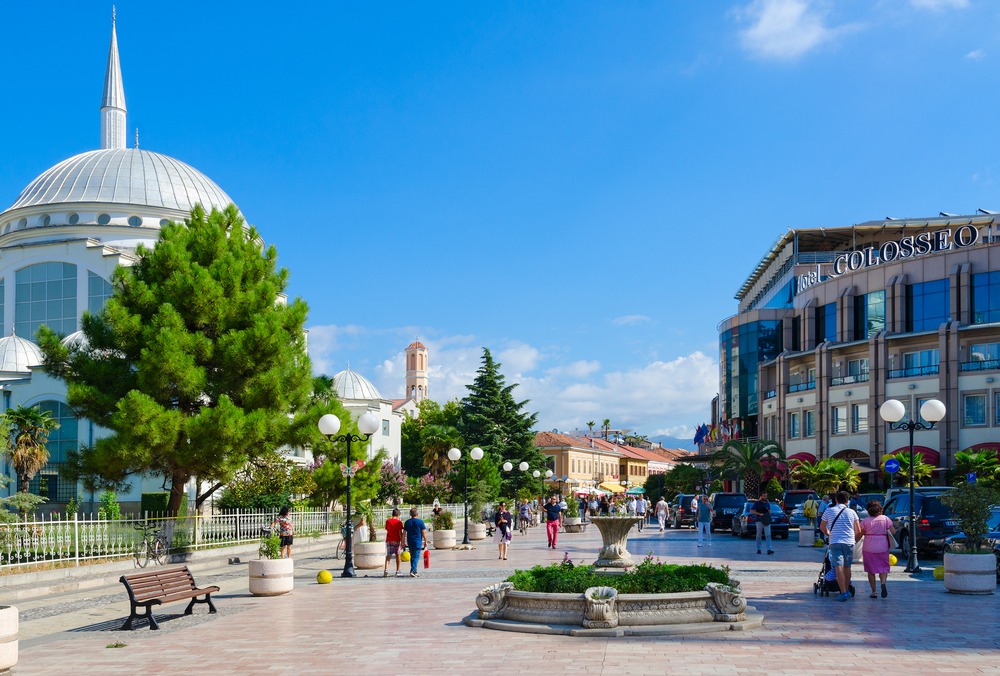
- Shkodra: gateway city of the north, logical starting point toward the Albanian Alps
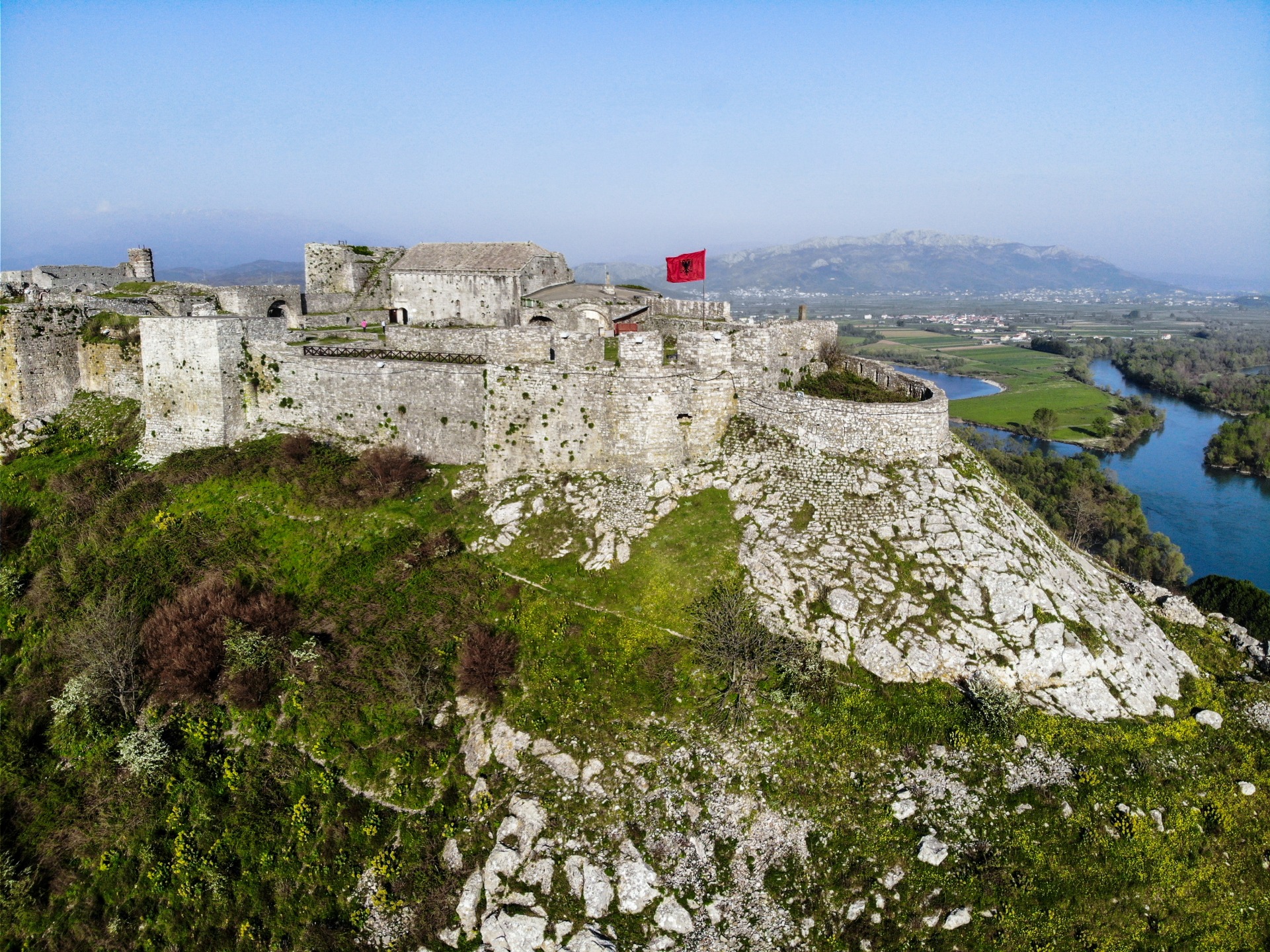
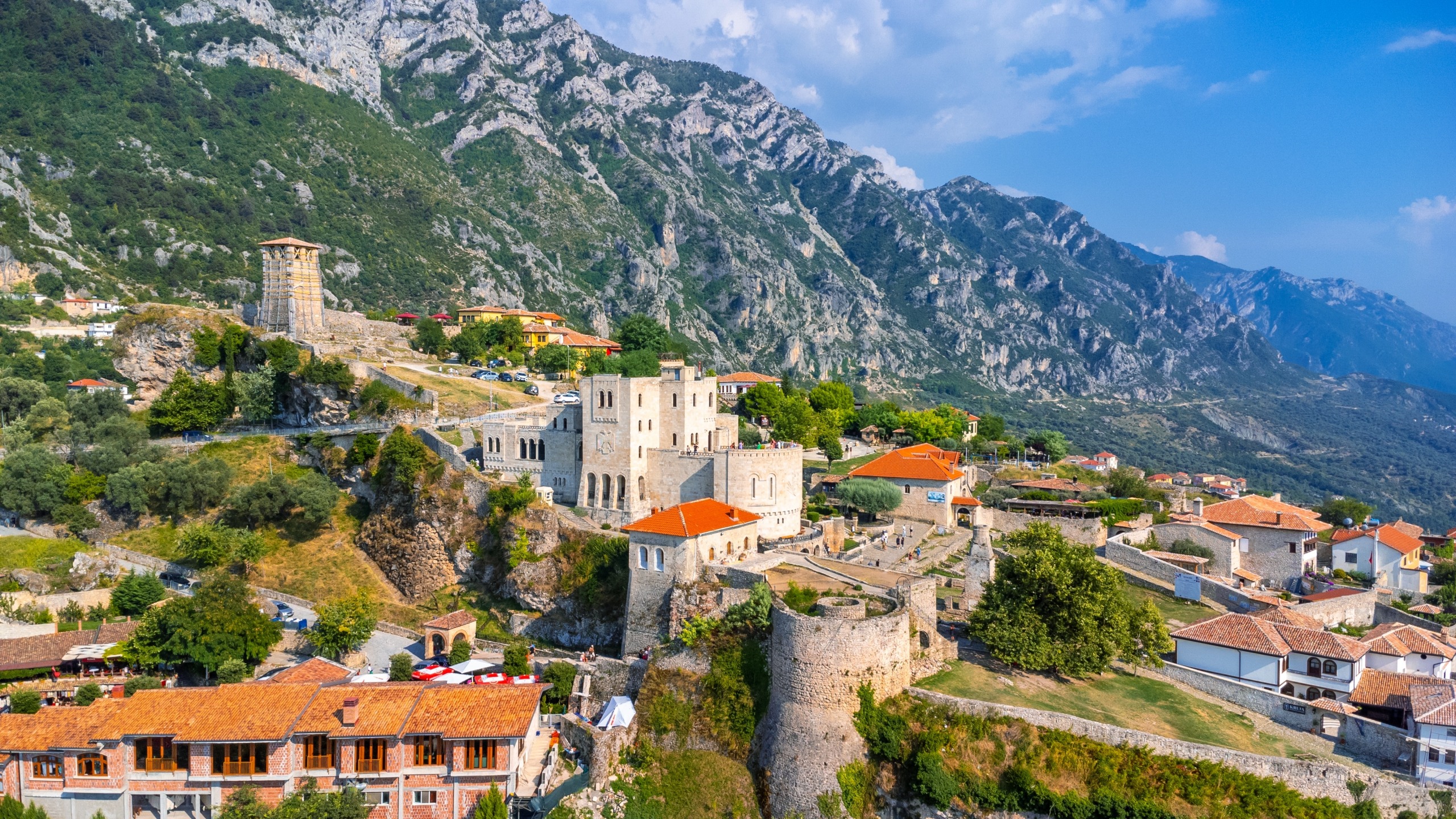
- Castle of Krujë: historic fortress linked to Skanderbeg
- Germenj National Park: another Albanian natural site to explore
- Butrint: major archaeological site in the south of the country
Frequently asked questions
Frequently asked questions
Extend the experience
Lëpushë fits naturally into a broader itinerary in northern Albanie, combined with Shkodra, Theth, and Valbona. To build a custom journey in the region, explore our trips to Albanie.
Interested in this visit?
We can include it in your personalised itinerary.