Dibër
Dibër
Between the Korab and Lurë massifs, Dibër offers high-altitude hiking, gorges, stone villages, and medieval heritage, 2 hours from Tirana.
A historic region in northeastern Albania, Dibër stretches between the Korab and Lurë massifs, on the border with North Macedonia. Its capital, Peshkopi, serves as a gateway to a mountainous territory marked by Skanderbeg's passage, glacial lakes, gorges ideal for rafting, and stone villages still largely unexplored by international tourism.
Why visit Dibër
Dibër appeals to travelers seeking dramatic landscapes and living history. The region is home to the country's highest point, Mount Korab (2,764 m), little-visited national parks, mountain cuisine, and a network of villages where musical and craft traditions remain deeply rooted. The Oda Dibrane folklore festival, held in Peshkopi, is its most visible expression.
It is also prime terrain for hiking, rafting in the Black Drin gorges, and discovering medieval sites such as Kala e Dodës fortress.
History of the region
In the Middle Ages, Dibër was part of the territories of the Kastrioti family, led by Gjon Kastrioti, father of Skanderbeg. In the 15th century, the region marked the border between the Ottoman Empire and the Alliance led by Skanderbeg, which became a symbol of Albanian resistance. After the leader's death, the region was conquered by the Ottomans in the early 16th century, and its population was progressively Islamicized.
The Balkan Wars (1912–1913) redrew the regional map: Dibër was divided between Albania and Serbia, and the country lost Debar (Dibra e Madhe), its historic center, which passed to present-day Macedonia. Peshkopi then became established as the capital of Albanian Dibër and its main administrative hub.
What to see and do
Nature and hiking
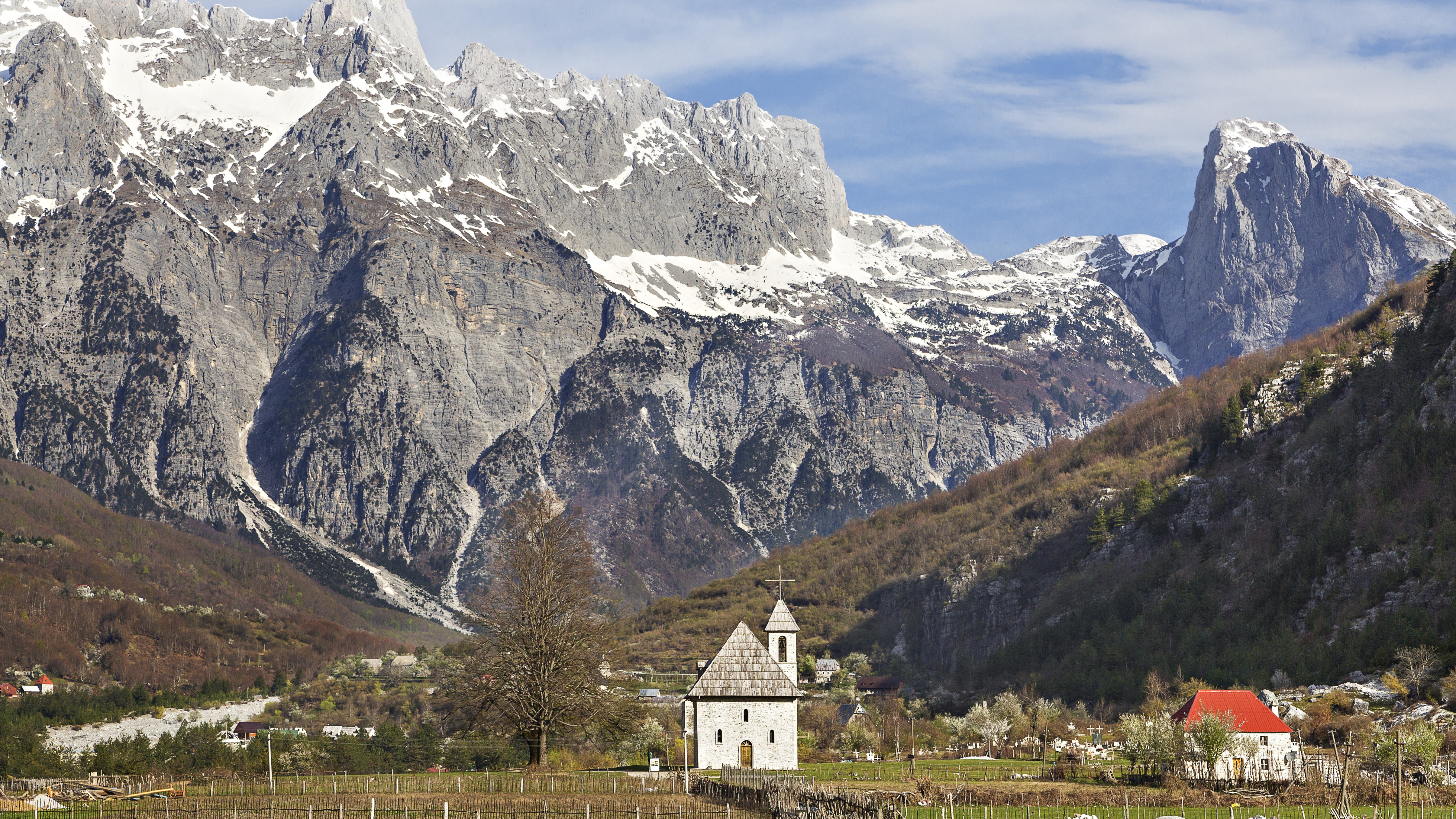
- Mount Korab: the highest summit in Albania and North Macedonia (2,764 m). The classic ascent starts from the village of Radomirë and suits trained hikers.
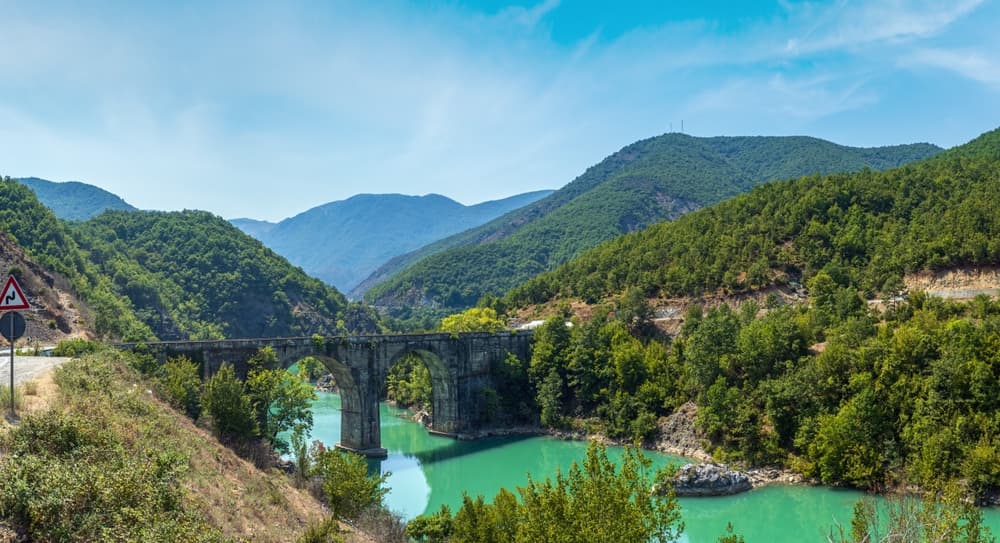
- Black Drin Valley: its deep gorges rank among the country's most compelling rafting terrain.
- Lurë-Mali i Dejës National Park: known for its glacial lakes and mid to high-mountain landscapes, still little frequented.
- Seta Gorges: a quiet natural site, valued for hiking in wilderness settings.
Heritage and villages
- Peshkopi: regional capital, the logical starting point to explore Dibër and home to the Oda Dibrane festival.
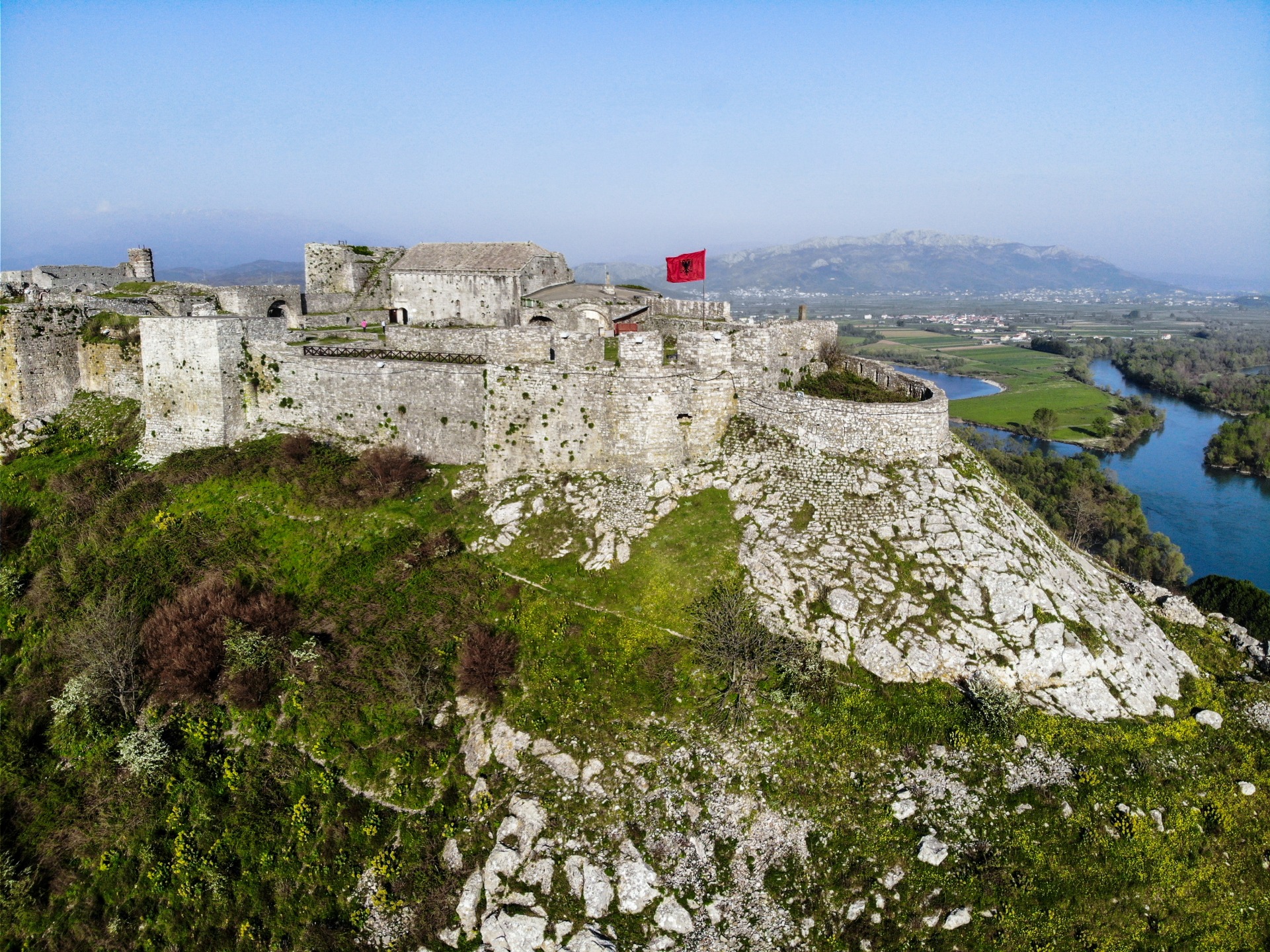
- Kala e Dodës: a 13th-century medieval fortress overlooking the valley.
- Church of Saint Mary: a 16th-century edifice preserving ancient frescoes.
- Rabdisht Village: a collection of stone houses representative of local rural architecture.
At table
Dibër's cuisine centers on lamb, dairy products, and mountain vegetables. Byrek, a savory pastry filled with cheese, spinach, or meat, is found everywhere. Tave, made with lamb braised in yogurt and an emblematic dish of Albanian cuisine (originating from Elbasan but widespread throughout the country), regularly appears on local menus. Honey, sheep's cheese, and mountain fruits round out the region's specialties.
Practical information
- Duration of visit: plan for 2 to 4 days to combine Peshkopi, a mountain hike, and one or two villages.
- Level: climbing Korab requires good fitness; other walks are more accessible.
- Accommodation: guesthouses in Peshkopi and homestays in villages; availability is still limited but growing.
- Equipment: hiking shoes, warm clothing even in summer at altitude, cash (card payments are not always available).
When to visit
Dibër has a Mediterranean climate with continental influences. Summers are hot in the valleys, cooler at altitude; winters are long and snowy in the massifs.
- June to September: the best period for hiking, rafting, and village exploration. High-altitude trails are passable.
- May and October: pleasant shoulder seasons, contrasting landscapes, light crowds.
- December to March: significant snow cover, village access sometimes difficult, conditions suited to winter activities for self-sufficient travelers.
How to get there
- By car from Tirana: approximately 2 hours via Rruga e Arbërit, a modern mountain road offering a well-maintained route.
- By minibus: departures from Tirana's north terminal to Peshkopi, several runs daily, journey of about 2 to 3 hours.
- To North Macedonia: minibuses connect Peshkopi to Debar (Dibra e Madhe), convenient for extending travel to the other side of the border.
- Alternative route via Librazh: a scenic road through Shebenik-Jabllanicë National Park, longer, best taken in a suitable vehicle.
Also see in Albania
If you extend your journey beyond Dibër, several other territories offer varied landscapes: the Germenj-Shelegur National Park and Farma Sotira in the south for nature and agritourism, Mount Gjerë for hiking, or the coast with the Himara Castle and Karaburun Peninsula.
Frequently asked questions
Frequently asked questions
Two to four days allow you to combine Peshkopi, a mountain hike, and a visit to one or two traditional villages. For climbing Mount Korab, add a full day.
For experienced hikers, the route from Radomirë is doable independently in good conditions. A local guide is still recommended for safety, navigation, and border procedures (the summit is shared with North Macedonia).
Yes, minibuses connect Peshkopi to Debar (Dibra e Madhe) on the other side of the border. This is a worthwhile option for extending a regional trip.
The region suits travelers already comfortable with rural and underdeveloped tourist destinations. For a first visit, it is often combined with more established stops like Tirana, Berat, or the Ionian coast.
June to September, when high-altitude trails are snow-free and conditions stable. May and October offer more dramatic landscapes but less reliable mountain weather.
Prepare your trip
Dibër fits well into an itinerary combining mountains, heritage, and the Macedonian border. To build a bespoke journey, consult our suggestions for trips in Albania.
Interested in this visit?
We can include it in your personalised itinerary.