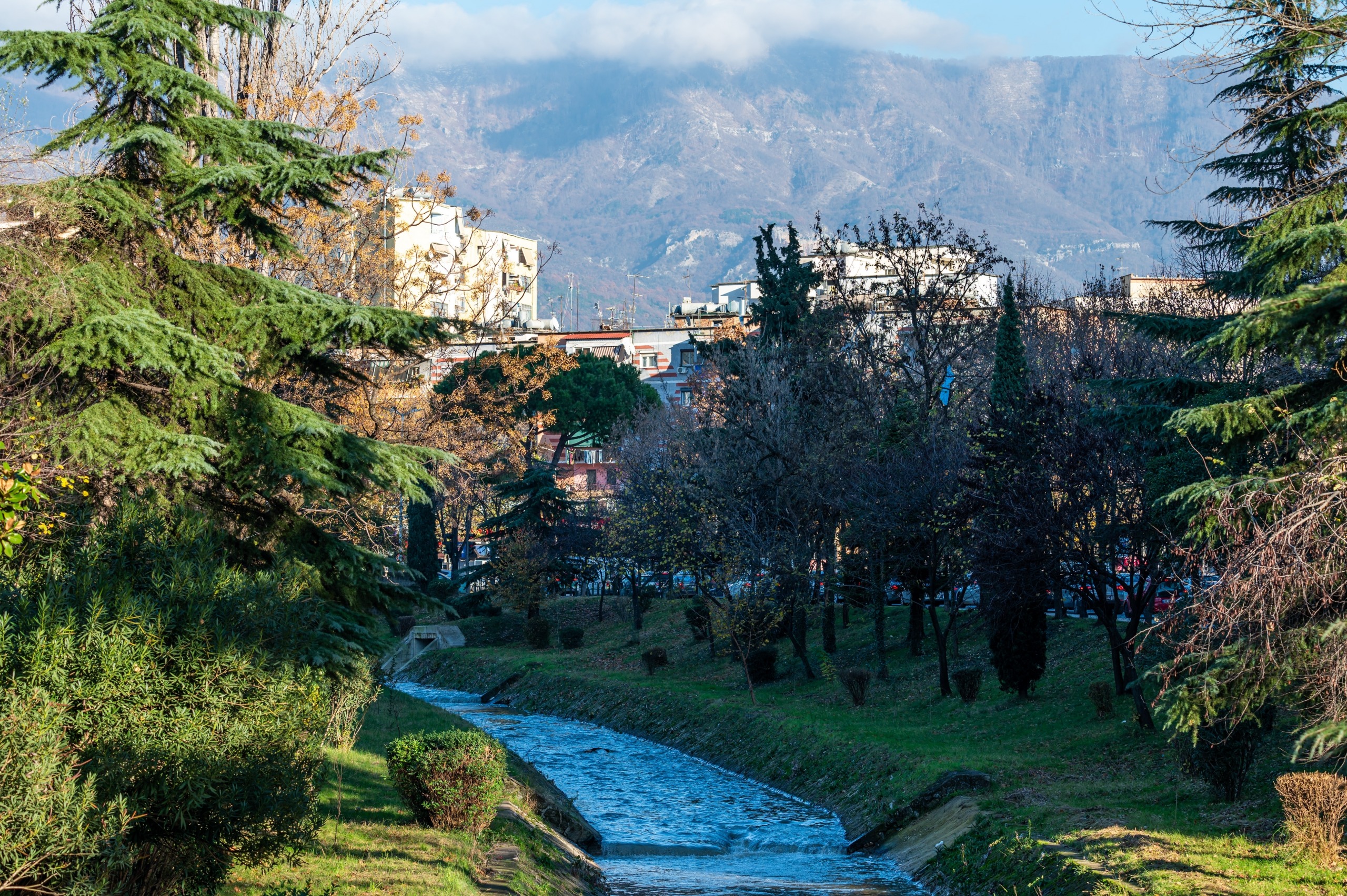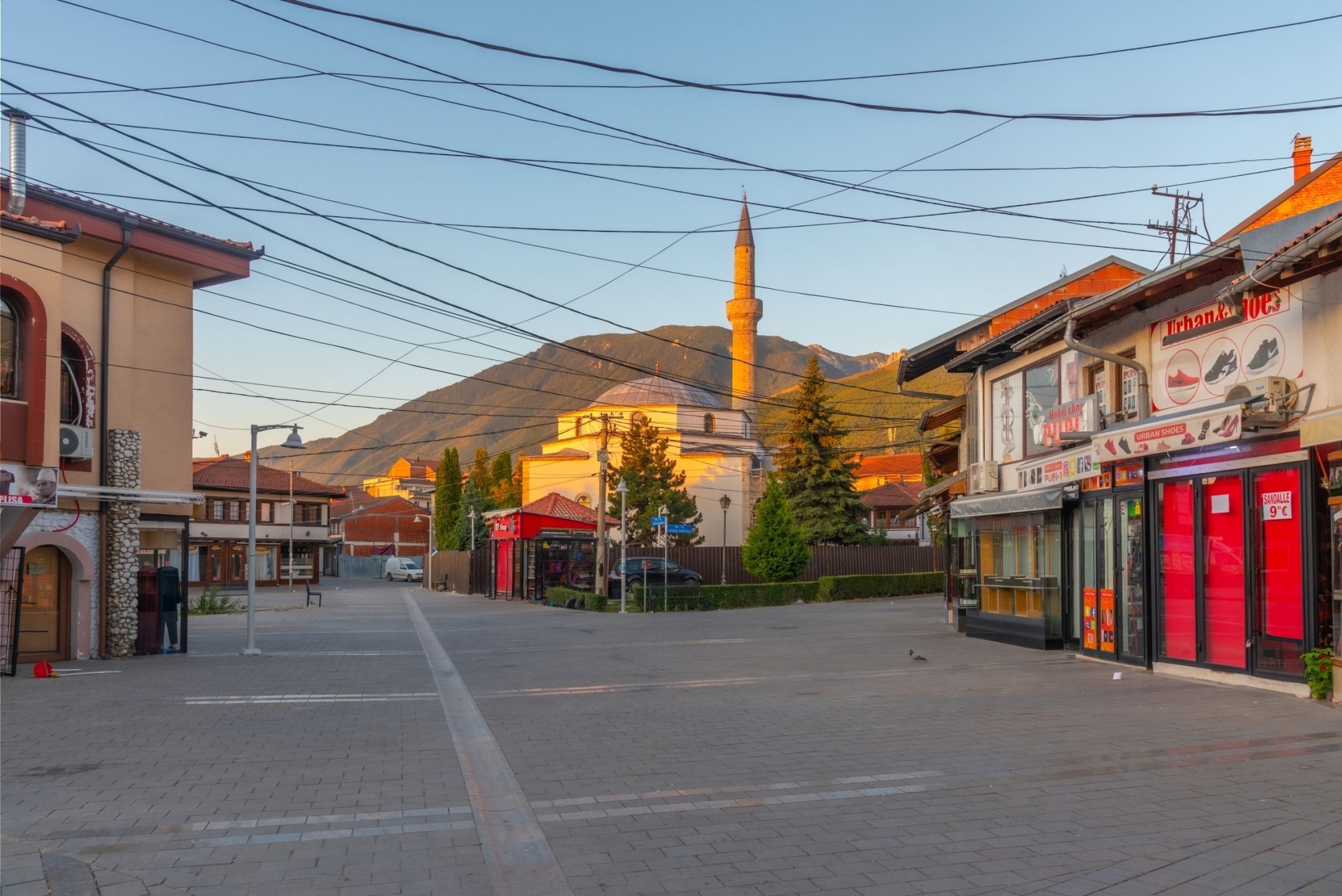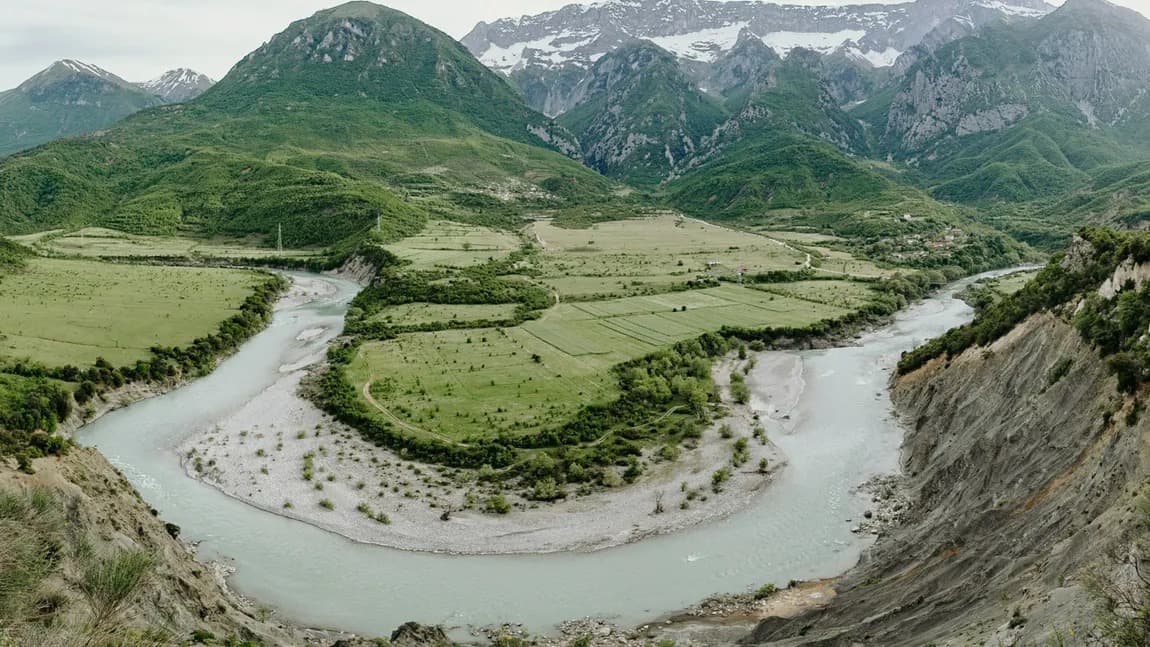
The Erenik River
The Erenik River
A tributary of the White Drin, the Erenik flows along the Cursed Mountains for 51 km and runs through Gjakova, where two Ottoman stone bridges still stand.
The Erenik is a transboundary river that originates in Kosovo and flows along the eastern face of the Cursed Mountains before joining the White Drin. Along its banks lie traditional villages, stone Ottoman bridges and the town of Gjakova, the main cultural stop along the route.
Why follow the course of the Erenik
The Erenik valley condenses several facets of Kosovo and Albanian heritage over some fifty kilometers: vernacular architecture of kullas (tower-residences), Ottoman legacy of artisan bridges, literary and Sufi memory. The landscape, dominated by the reliefs of Bjeshkët e Nemuna, offers a distinctive natural setting that contrasts with the density of ancient buildings in Gjakova.
The itinerary appeals both to travelers interested in Ottoman history and guild traditions and to those seeking to venture beyond classic Albanian coastal circuits.
Geography and course
The Erenik is a tributary of the White Drin. Its source lies on the northern slopes of the Junik mountains. The river then flows southeast and south along the eastern face of the Cursed Mountains, for approximately 51 km. A non-navigable waterway, it passes through a succession of villages before joining the White Drin at the edge of Pogragja hill.
The main stops along the route, north to south:
- Stubëll: village that hosts the Don Mikel Meetings at the Church of Saint George, in September.
- Nivokaz: three 19th-century tower-residences (kullas), typical examples of regional defensive architecture.
- Junik: birthplace of poet Din Mehmeti, a leading figure in contemporary Albanian literature.
- Gjakova: major stop, rich in Ottoman heritage.
- Raçë and Bishtazhin: last villages crossed before the confluence with the White Drin.
History of the Ottoman bridges
Two stone bridges, both located in Gjakova, mark the historical identity of the river. They bear witness to the economic role of artisan guilds (esnafs) that structured urban life under Ottoman administration.
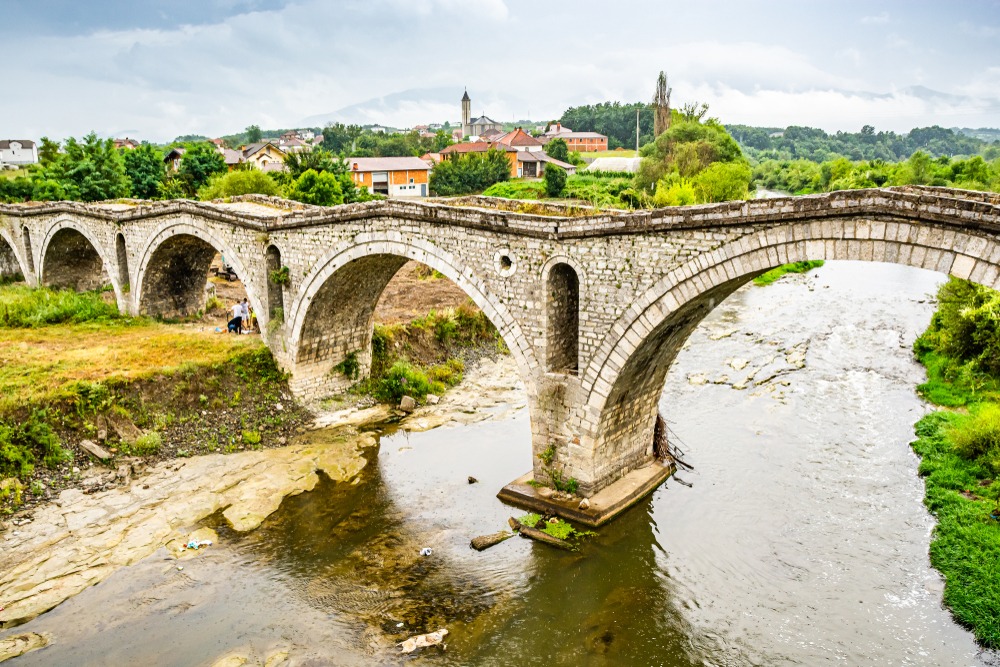
The Terzive Bridge
The Terzive Bridge was built to allow esnafs and terezis artisans to travel between Gjakova and Prizren, two major trading hubs. Entirely made of stone, it measures approximately 193 meters long and 5 meters wide, and features eleven semi-arched spans separated by ten discharge windows. The structure has been listed as a protected monument in Kosovo since 1962.
The Tabak Bridge
The Tabak Bridge takes its name from the word "tanner": it was erected in 1790 by the city's tanners' guild. It served the old port of Shkodra and formed a link in the trade routes connecting the hinterland to the coast. Measuring 127 meters long and 4 meters wide, it features seven arches decorated with carved ornaments.
Nearby, on the south bank of the Erenik, stands the mausoleum of Tahir Efendi Jakova, a Sufi sheikh and poet member of the Bayrami brotherhood. The site complements the spiritual and literary significance of the riverside district.
What to see in Gjakova
Gjakova remains the densest stop along the route. Beyond the two bridges and mausoleum, several sites merit an extended visit:
- The Hadum Mosque, an emblematic Ottoman structure in the historic center.
- The old bazaar (Çarshia e Madhe), one of the most extensive trading bazaars in the Balkans.
- The Clock Tower, a landmark of the old urban landscape.
- The Prenk Jakova School of Music, dedicated to the Albanian composer.
- The Ethnographic Museum, which showcases the crafts and traditional way of life of the region.
Practical information
The Erenik valley is best explored by car. Gjakova, located in Kosovo, is accessible from Pristina, Prizren or Tirana via regional road networks. Plan for half a day to a full day to combine a visit to Gjakova (old bazaar, bridges, mausoleum) and a stop in an upstream village such as Junik or Nivokaz.
Good to know:
- Since the river is not navigable, exploration takes place on foot or by car along its banks.
- The stone bridges are freely accessible year-round; late afternoon light enhances the pale stone.
- A significant portion of the route is located in Kosovo: remember to check border crossing formalities when entering from Albania.
- The Don Mikel Meetings in Stubëll take place in September and are a good reason to time your visit for this period.
To explore in the region
To extend a cultural and natural itinerary in Albania around the Erenik valley, several complementary sites are worth a detour:
- Gjakova, the cultural anchor point of the route.
- Germenj-Shelegur National Park, for a natural element.
- Mount Gjerë, another striking relief in southern Albania.
- Farma Sotira, a rural and gastronomic stop.
Preparing your trip
The Erenik valley fits naturally into an itinerary combining Albania and Kosovo, centered on Ottoman heritage and mountain landscapes. To build a tailor-made itinerary incorporating Gjakova, the Erenik bridges and other Albanian sites, consult our travels in Albania.
Interested in this visit?
We can include it in your personalised itinerary.